5. KrwioBIEG – running for clean air!

We run and support the honorary blood donation

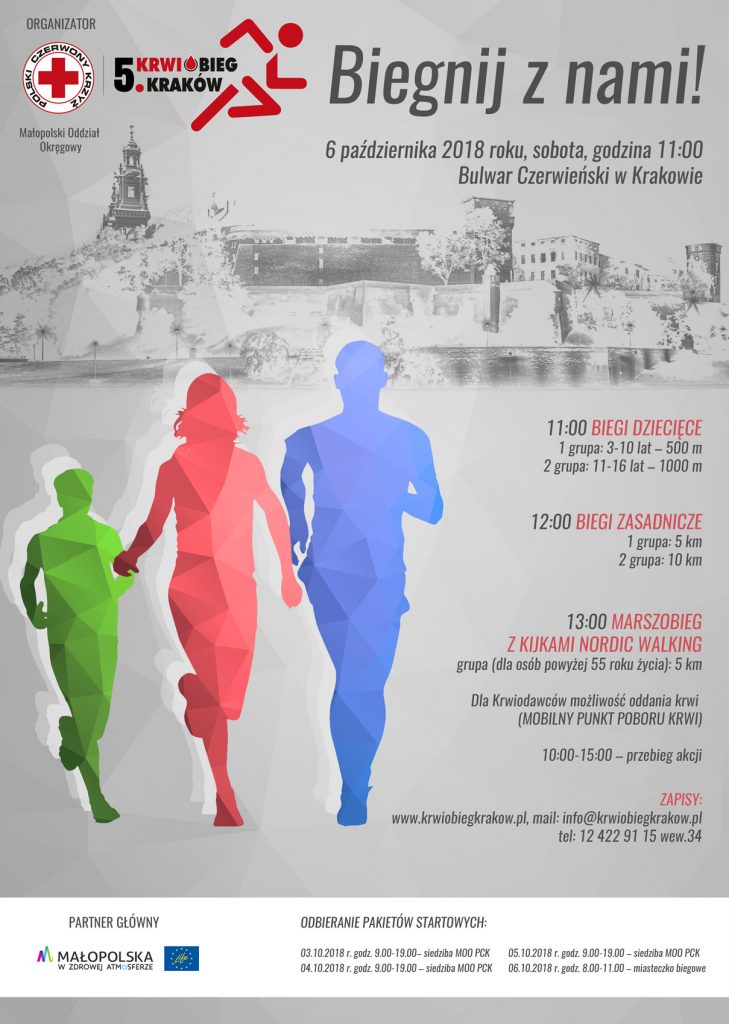
The fifth edition of “KrwioBIEG” will be held on October 6, 2018 in Krakow. The organizer of the run is the Malopolska Regional Branch of the Polish Red Cross. Meanwhile, the Malopolska Region is the Main Partner of the event. The run is aimed at professionals in the sports industry, amateurs as well as anyone who feels that close to promoting honorary blood donation. The aim of the event is also to raise the awareness that only thanks to the donors who share their heart with kindness of heart – it is possible to save human life and health every day.

About the run

As part of the event, three running categories are planned: the main run (5 km or 10 km to choose from), children’s runs (500 m and 1000 m) and a walking path with Nordic walking poles (5 km). The start and finish line will be located at the Czerwiński Boulevard in Kraków, near the Dżok dog monument near Wawel and the Grunwaldzki Bridge.

Run for clean air!

KrwioBIEG will be the third running event in 2018 that is part of the clean air race taking place under the slogan: “Małopolska in a healthy atmosphere – running for clean air”. The previous events were held in Zakopane and in Dobczyce. The main objective of KrwioBIEG is to organize a charity campaign for the promotion of blood donation, raise funds for its development and promote healthy lifestyle by running outdoors.

Krwiobieg

The Marshal of the Malopolska Region addressed the Prime Minister Mateusz Morawiecki and the Minister of Energy, Krzysztof Tchórzewski, with an appeal for the introduction of strict quality standards for solid fuels, decisively accepting the draft Ministry of Energy’s regulation concerning the matter.

The Marshal’s appeal regarding quality standards for coalThe Minister of Energy issued a regulation on quality standards for solid fuels for public consultation on July 13. The draft regulation proposed by the Minister does not fulfill the expectations of any residents expected by the residents and local authorities. The regulation, in the version expected by the public, is to eliminate the coal of poor quality and coal waste from the market. The above-mentioned draft regulation does not give a real chance to improve air quality. Currently, no standards apply, which facilitates the sale of poor quality fuels. The entry into force of the proposed regulation will be a real consent to such practices.

The fight for clean air is one of the most important tasks of the self-government of the Malopolska Region. In the Malopolska Region, thanks to the LIFE project, there are 60 qualified specialists, the Eco-managers, dealing with air protection. The heads of the Skawina and Świątniki Górne municipalities will tell us why it is worth employing an Eco-manager.

Is it worth hiring an Eco-manager?

Dr Witold Słomka – the Head of the Town and Municipality of Świątniki Górne: Definitely yes! In my opinion, an Eco-manager, or an employee dealing mainly with air protection, should also be employed in other municipalities in Poland. I am particularly pleased with that as the municipality’s governor, as well as with the fact that thanks to the work of an Eco-manager, the subject of air protection has gained a new, more significant meaning than before. The people educated in this field, and all Eco-managers have graduated from specialist post-graduate studies, can use their knowledge on a daily basis to intensify activities aimed at improving the air quality in our area.

Paweł Kolasa – the Head of Skawina Town and Municipality: The Eco-manager increases the awareness of residents. He help them choose a new source of heating, explains the administrative procedures related to furnace replacement. He meets residents during rural and housing meetings, meetings of parents at schools and meetings of the voluntary fire service. He also educates children from schools and kindergartens in the municipality.

Why is the presence of an air quality specialist in the municipality necessary to improve air quality in Poland?

Paweł Kolasa – the Head of Skawina Town and Municipality: the Eco-manager participates in the acquisition and settlement of funds for the replacement of furnaces, environmental education and the widening of environmental monitoring. The office wants to help its residents as best as possible, which is why the Eco-manager provides assistance not only in the office, but also in the field, which is appreciated by the residents.

Dr Witold Słomka – the Head of Świątniki Górne Town and Municipality: Treating the issue of the air quality as one of the key aspects, one cannot allow the issue to be dealt with by people from time to time, in intervals between other important tasks. Therefore, I very much appreciate the solution that we have introduced thanks to participation in the LIFE project. It is not without significance that Eco-managers cooperate with each other on a daily basis. They exchange experiences and good practices. They form a kind of a team of ambassadors of good air and sensitize heads, mayors and residents. It must bring good results and it will certainly bring them.

The problem of the air quality is becoming more and more important to the society of many municipalities in Poland. How can municipalities deal with it better?

Dr Witold Słomka – the Head of Świątniki Górne Town and Municipality: In my opinion, the role of the legislator is major. The key problem is the admission of poor quality fuels to trading. Without systemic solutions that exclude any fakes and “pseudo” fuels from the market, combating air pollution will be very difficult. It would be ideal for every resident to be able to use gas heating. Unfortunately, not everyone can afford it today in the light of the lack of thermo-modernization of homes. Municipalities should undertake investment activities, engage in raising funds for activities related to air protection. Furnace exchanges, thermal modernization of buildings, promotion of public transport, including rail transport are the tasks for which financial resources must be raised.

The holiday season in Podhale is the time of many trips to the mountains, communing with nature and gaining strength for learning and working. Everyday problems go away, everyone looks for a respite from worries and difficult matters. With a few months’ perspective, the specter of the recurring smog problem, doctors, local government officials and company representatives implement solutions aimed at improving the air quality.

There was a debate on Radio Alex (105.2 FM) on August 2 this year with the participation of:

Ewa Łączyńska – the Head of the Department of Pulmonology at the Klara Jelska “Rebirth” Specialist Hospital of Lung Diseases in Zakopane,

Grzegorz Watycha, the Head of Nowy Targ,

Grzegorz Ratter, the President of the Management Board of Municipal Company of Thermal Energy in Nowy Targ

Katarzyna Stadnik from the Air Quality Team of the Marshal’s Office of the Malopolska Region.

The theme of the debate was the air quality in the Malopolska Region.

Health above all

Inhabitants of Podhale could learn, among others, about the health problems resulting from breathing contaminated air. Ewa Łączyńska from the Zakopane hospital shared her professional experience resulting from many years of medical practice. She pointed out the low ecological awareness among her patients. The level of knowledge about the health consequences of exposure to air pollution in society is still low. Many lung diseases, such as, for example, COPD, i.e. the chronic obstructive pulmonary disease or lung cancer, are directly related to breathing air contaminated by dust. In addition, atmospheric air pollution is associated with a significant deterioration of the respiratory, circulatory and central nervous systems. The Specialist Hospital of Lung Diseases in Zakopane sensitizes patients to the direct cause and effect relationships between many diseases and the air quality, while stressing that they are not the only diseases directly related to the respiratory system, but they also include such as: myocardial infarction, hypertension, stroke brain, infertility, Alzheimer’s disease, problems with concentration and anxiety.

From assumptions to actions

Grzegorz Ratter, the President of the Management Board of Municipal Company of Thermal Energy in Nowy Targ, presented the concept of the development of the heating network in the city of Nowy Targ. Residents of Nowy Targ are more and more willing to declare their participation in the network heating. The comfort of heat acquisition, as well as modern equipment and installations equipped with filters limiting the emission of dust to the environment convince more and more inhabitants of Nowy Targ to be connected to the network. Thanks to the national and EU funds, Municipal Company of Thermal Energy in Nowy Targ is planning to dynamically expand the existing heating network, connect new customers and renovate the existing network within the coming few years. The Company’s activities are aimed at the target use of geothermal energy in order to reduce the emissivity in the region. The planned project includes the development of a district heating network in the city center and the extension of a district heating network of the streets located in the southern part of the city, as well as the modernization of the existing district heating networks. Interestingly, the Company’s activities are oriented towards the target use of renewable energy sources.

Access to information

The Head of Nowy Targ – Grzegorz Watycha also presented his experience. He drew attention to the need to introduce system solutions at the national level, especially in the field of fuel quality and dust emission to the atmosphere. He also presented the actions of the local government that limit low emission. The most important of them primarily include the replacement of low-efficiency solid fuel devices with environmentally friendly gas-powered devices or renewable energy sources. In order to carry out the tasks limiting low emission, the city of Nowy Targ joined the implementation of the “Implementation of the air quality plan for the Malopolska Region – Malopolska in a healthy atmosphere” LIFE Integrated Project. The Eco-manager employed in the office provides advice for residents every day, helps get and settle subsidies for a new source of heat, conducts information and educational campaigns. Nowy Targ also focused on improving the air quality through activities concerning transport. The Nowy Targ Police inspects exhaust fumes using specialized equipment, excluding the most onerous vehicles from car traffic.

The model flows from the Malopolska Region

The legal provisions concerning air protection introduced in the Malopolska Region were also discussed during the debate. Katarzyna Stadnik from the Marshal’s Office of the Malopolska Region presented the most important provisions of the anti-smog resolution. They include, first of all, the following:
• the possibility of using a coal and wood furnace installed after 1 July 2017 with emission parameters designated for the eco-design,
• the need for replacing non-class furnaces by the end of 2022 and the 3rd and 4th class furnaces until the end of 2026,
• ban on the use of muds and fleets and wet wood.
The summary of the debate also presented the effects of the implementation of the Integrated LIFE Project. The program significantly contributes to the implementation of the objectives of the Air Quality Program for the Malopolska. It also acts together with the so-called anti-smog resolution, as a model to be used by other regions when they want to join the activities for the benefit of clean air.

[easy_image_gallery gallery=”466″]

We are presenting a summary of the results of a survey conducted on a representative group of 1000 residents of the Malopolska Region and concerning their knowledge of issues related to the poor air quality. The research was carried out using the CATI telephone interview technique conducted by trained interviewers from the CATI laboratory located at the headquarters of the CEM Institute in Krakow.

In 2016, as part of the LIFE project, the first public opinion polls on the perception of the problem of the air quality by the inhabitants of the Malopolska Region were carried out. Since then, significant progress has been made with respect to actions aimed at reducing air pollution. In addition to the unfaltering and even increasing presence of the subject of air pollution in public media, the most important include the 2017 adoption by the Sejmik of the Malopolska Region of the so-called anti-smog resolution, covering the area of the whole region with its provisions. The aim of the research carried out in 2018 was, inter alia, to assess the scale of changes that have taken place since 2016 in the social perception of the air pollution and the answer to the question whether the activities of local authorities, media and NGOs translate into the growing awareness of the analyzed area.

Awareness of the problem

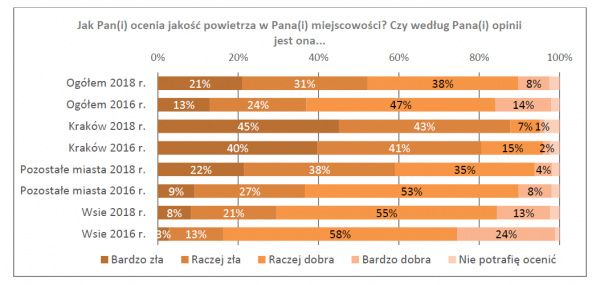
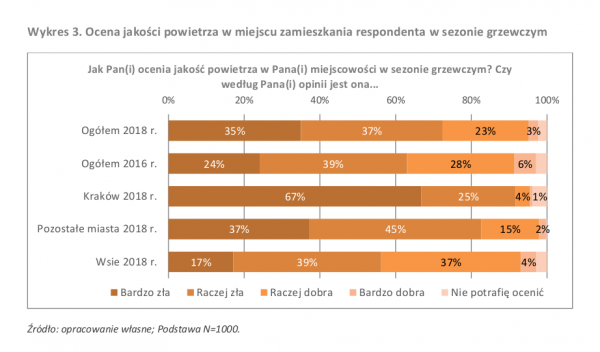
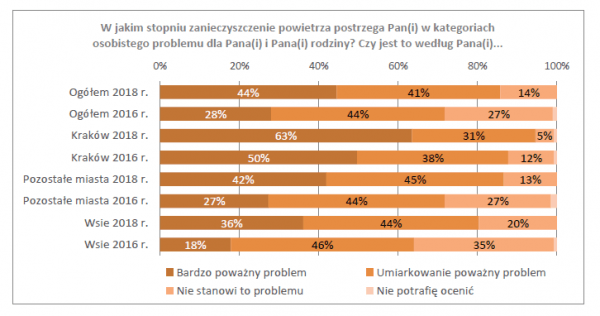
In the past two years, the awareness of the problem of smog in smaller towns of the Malopolska Region has increased from 36 to 60%. Almost all Krakow residents and more and more villagers also notice it. Almost all support strong anti-smog activities undertaken by local authorities. Over half of the Malopolska Region residents say that the air quality in their towns is poor or very poor. The number is over 10% greater than it was two years ago. The highest awareness is recorded in Krakow, where almost 90%, when asked, see the problem. In other cities of the region, the percentage of people dissatisfied with the air quality is at the level of 60%.

Ocena jakości powietrza

Among the Krakow residents, as many as 90% of respondents are convinced that they live in the most polluted region in Poland . The awareness of the problem has increased the most in smaller cities (from 36 to 60 %) and in the villages, where it is still very low (from 16 to 29 %).

Ocena jakości powietrza w miejscu zamieszkania44% of respondents in the Malopolska Region admit that air pollution is a very serious personal problem for them or their families.
Zanieczyszczenie powietrza w kategoriach osobistego problemu

Anti-smog resolutions and activities of local governments

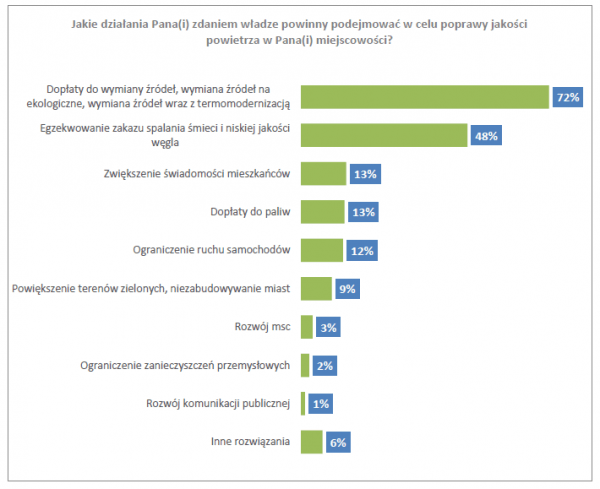
70% of the respondents declare that they have heard about the anti-smog’s Malopolska resolution, but only every fifth knows what it includes. 88% declared that they supported it, having learned its content. 90% supports clean air activities, such as the obligation to replace old coal furnaces and stoves (with subsidies granted), a ban on the sale of the worst coal quality with a high content of pollutants and an increase in fines for using waste for heating.

Działania w celu poprawy jakości powietrza

72% of all respondents indicated the using coal and wood for heating in domestic furnaces and stoves as the main cause of air pollution (58% in 2016). 81% of Krakow residents support the ban on the entry of old cars with diesel engines to city centers. And 47% declare support for the introduction of charges for car travel.

The need for hiring Eco-managers

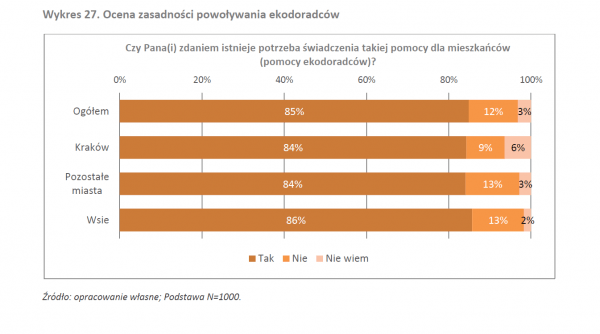
As many as 85% of respondents perceive the need for the help provided by Eco-managers, advice in the selection of ecological house heating, obtaining subsidies for exchanging furnaces and conducting educational campaigns.

Ocena zasadności powoływania ekodoradców

The research carried out by the CEM Institute for Market and Public Opinion Research, commissioned by the Krakow Smog Alert Association, as part of the implementation of the “Implementation of the air quality plan for the Malopolska Region – Malopolska in a healthy atmosphere” project co-financed under the European Union (LIFE-IP MALOPOLSKA/LIFE14 IPE PL021).

Running for clean air in Dobczyce!

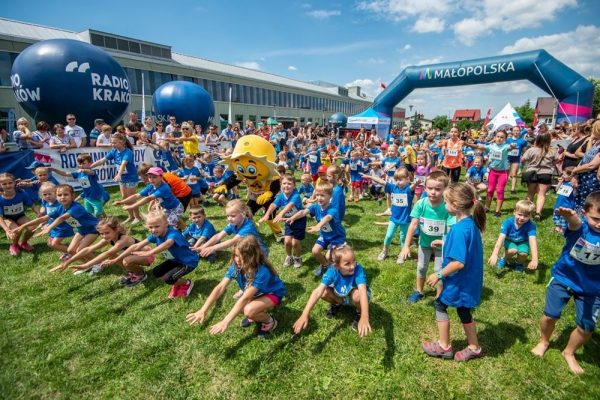
This was the name of the event that we co-organized on Sunday, July 8 in Dobczyce. The runs organized as such were so popular that the participants’ limit was exhausted before the run, after two days of electronic registration.

Runs for clean air

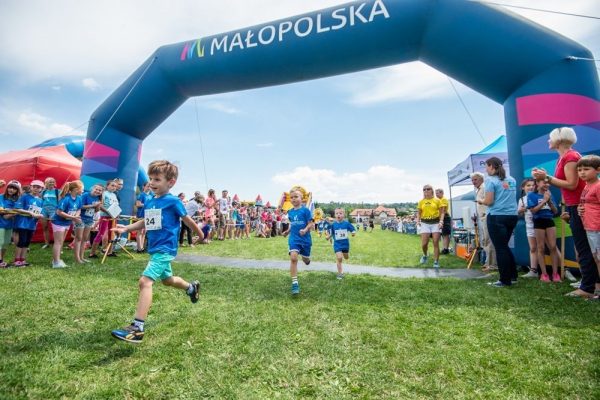
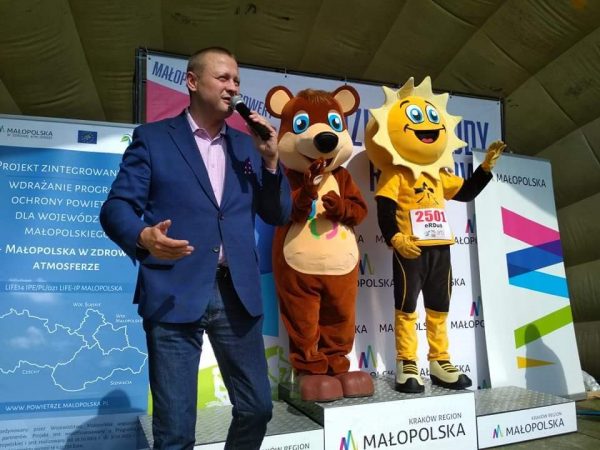
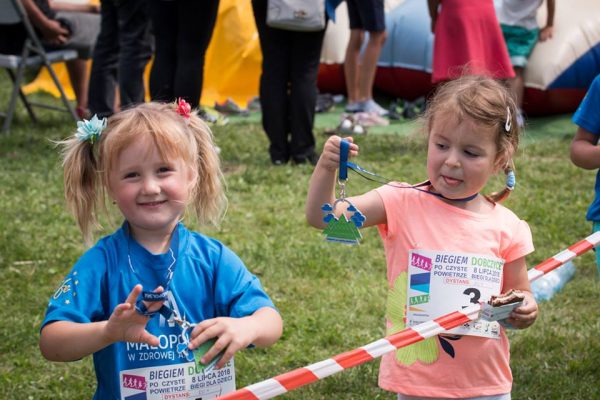
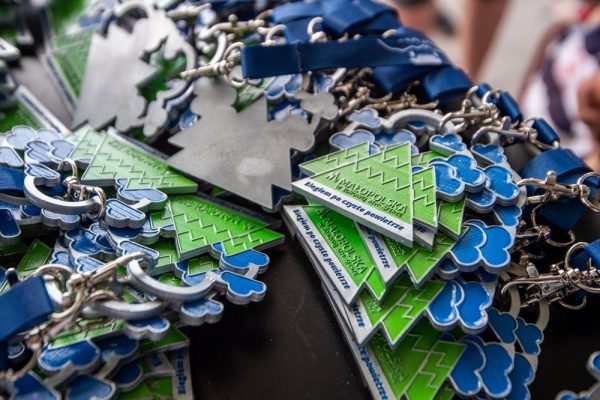
Thinking about children of all ages, running routes with different levels of difficulty were organized – 100m, 200m, 300m, 400m and 600m. Despite hot weather, almost 170 children coped well with the run. There were professional starting numbers, blue running shirts and beautiful cast medals for all participants there on the desired finish. What is more, at the end, Grzegorz Lipiec – a Member of the Management Board of the Małopolska Region, awarded 31 the fastest participants great prizes. Our youngest participants and participants were given sports equipment useful during their holidays – swimming boards, baskets or badminton sets. Results of the run are available here.


Malopolska – let’s cycle

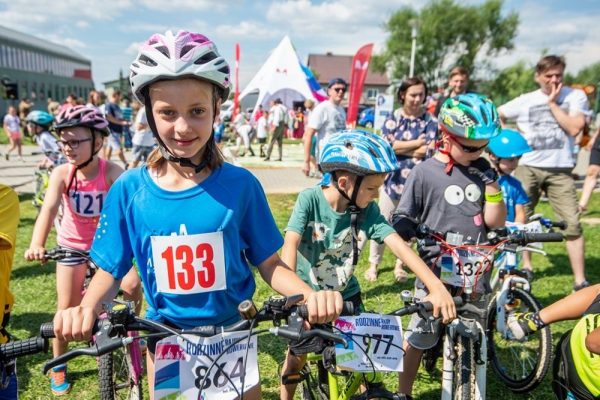
This was not all. Many more attractions were prepared on this day in the Regional Center of Education and Sports in Dobczyce. They included Family Bicycle Rallies organized by the Malopolska Region, they attracted crowds of the fans of two wheels. Cyclists had routes of various difficulty levels – MINI, MIDI and MAXI – prepared. At the end, the main prize, a bike, was awarded.

Other atractions

Other events organized on that day included the Pinsk Flotilla Festival. It was accompanied by the Regional Collectors’ Market, exhibitions and presentations of collections, exchanges, sales and displays of reconstruction groups and a presentation of military equipment.

Acknowledgements

Thank you for your cooperation, the great organization of the “Running for clean air” event and the great work of the organizers involved in this initiative, i.e. the KAT Association in Dobczyce and the Running Dobczyce Association. We would also like to thank for the hospitality of the Malopolska Cycling Association, the organizer of the Family Bicycle Rallies. All photos from the event is available here.

We’re coming back soon

Running for clean air comes back after holidays. The last cross-country stop, on the 6th of October, will be Krakow.
photo: Press Office of the Marshal’s Office of the Malopolska Region, Paweł Stożek KAT Dobczyce

Why should there be an Eco-manager in every Polish municipality?

Doors that do not close, why should there be an Eco-manager in every Polish municipality? Is it worthwhile, is it worth it? The questions are answered by representatives of the Malopolska Region municipalities in which the LIFE – Małopolska in a healthy atmosphere project is implemented.

In the interests of the air quality in the Malopolska Region, the Marshal’s Office is making efforts to speed up the implementation of activities planned under the Air Quality Plan. One of them is the coordination of the LIFE Project, thanks to which 55 Malopolska Region municipalities decided to employ 60 Eco-managers – specialists in the field of air protection. We asked municipal authorities how they assess the work of Eco-managers and see the effects of their actions.

What is the attitude of the inhabitants of the municipality to their Eco-manager?

Rafał Kukla, the Head of Gorlice:
Very positive! I can hear many favorable opinions about him. Residents are satisfied because they have someone to turn to for grants for the replacement of their heat source or for the installation of renewable energy sources. The Eco-manager honestly informs about the available subsidy programs, advises on the selection of the appropriate heating device, informs about modern technologies available on the market. And this directly translates into financial benefits.

Tomasz Żak, the Head of Andrychów:
The door to the Eco-manager who works in the municipal office in Andrychów often does not close. Residents come in person or call with questions about the possibility of obtaining co-financing for furnace replacements. What is more, it is a common question which furnaces meet the requirements of the current anti-smog resolution and what can currently be used in domestic furnaces for heating. In the heating season, when air quality sensors indicate high exceedances, it happens that an Eco-manager must explain to residents what it is caused by and what the municipality is doing to improve the air condition. Residents also want to take photos of their buildings with a thermal camera.

The problem of air quality is becoming more and more important for the society in many municipalities in Poland. How can municipalities deal with the problem of air pollution? What actions should the authorities undertake for this purpose?

Albert Bartosz, the Head of the Oświęcim Municipality:
The action that should be put in the first place is the quest to change consciousness. Increasing knowledge about the risks associated with smog and the causes of its formation is a necessary condition for the effective elimination of the problem. The greatest challenge is changing the mentality of the society, starting with waste incineration practices being the most harmful in the context of low emission. Education is the most important thing. Providing inhabitants with the possibility of expert advice from a specialized office employee should also be an important element of local government’s activities.

It is not frequent that an official joins in school and civic education by reaching: schools, kindergartens and even universities of the third age. What is the public perception of this type of activities? How does an Eco-manager perform well in this role?

Tomasz Żak, the Head of Andrychów:
Meetings with the Eco-manager are very popular. Information about the first workshop for children very quickly spread among the schools located in the municipality. Our Eco-manager meets students and seniors belonging to the Association of the University of the Third Age in Andrychów and ladies from the circle of rural housewives. Residents are eager to participate in educational meetings. I believe that the officer’s meetings outside the office are positively received by the residents.

Dariusz Marczewski, the Head of Miechów:
Ecological education, especially among children, is an important element. Children and teenagers are the most important recipients of this type of activities. Coming home, after classes with our Eco-manager, they often make their parents, grandparents and older siblings aware of the need for protecting the air. The competitions we organize as part of the LIFE project are also very popular. The winners of the competitions are invited to an Eco-picnic. This is an event that takes place during the largest outdoor event organized annually in our city. I think that our residents are positive about the work of our Eco-manager.

Does the work of the Eco-manager translate into specific investment projects in the municipality?

Rafał Kukla, the Head of Gorlice:
Thanks to the involvement of the Eco-manager, we have installed a comprehensive monitoring of the air quality. It turned out that the investment has a very good educational overtone. People are beginning to be interested in what is happening in the air, what pollution we have where in the area of Gorlice and how to protect against it, and – how to prevent the increase of the air pollution. It all blends together: education, information and action.
Last year, we made sure that under the PONE program, old tiled stoves were liquidated in a dozen or so municipal premises. In several dozen households, with the aid of co-financing, old coal furnaces were replaced with modern gas condensing ones. We will systematically be modernizing heating sources, which will surely translate into improved air quality in Gorlice.

Is it and why necessary to improve the air quality in Poland, as seen in the presence of the air quality specialist in the municipality?

Albert Bartosz, the Head of Oświęcim Municipality:
It is definitely necessary. Eco-managers are employees comprehensively trained and prepared to perform their functions. This possibility was provided by external funds, which is a huge aid and a chance for the local government. Each municipality should start activities in the field of air protection, first of all, raising the ecological awareness of its inhabitants. Educational activities are a condition for the effective implementation of other programs, mainly with respect to financial incentives aimed at replacing furnaces. Caring for the state of the air is our absolute duty not only to ourselves, but above all to our children.

To sum up, the work of Eco-managers brings tangible benefits and is a great help for heads and mayors in the field of air protection activities. Their activities are popular and raise awareness among residents. Going out of the office with initiatives and substantive advice translate into growing social trust. Leaders of partner municipalities agree that such a support of the Eco-manager is needed in every Polish municipality.

The second international meeting took place as part of the C4E – Central and Eastern European Energy Efficiency Forum from 13 to 16 June 2018 in Serock near Warsaw.

The C4E is a conference on energy efficiency issues in eastern and central Europe. The conference focuses on more than a highly substantive level, but also provides participants with ideal conditions for exchanging ideas, good practices, concrete and practical solutions. It enables establishing contacts among the people who, despite coming from different backgrounds and countries, deal with the same issues and problems.

During the “Local activities aimed at increasing the quality of life” panel, the Implementation of the Air Quality Program for the Malopolska Region – Malopolska in a healthy atmosphere” LIFE project was presented. Participants of the discussion panel had the opportunity to learn more about the activities of the Malopolska Region conducted within the LIFE project and about the effects of the implementation of it. Joanna Kiersnowska – a LIFE Project Specialist at the Marshal’s Office of the Malopolska Region and Kamila Pakuła – an Eco-manager in Gorlice presented the possibilities related to employment in municipalities of Eco-managers to the participants of the discussion panel. Issues related to energy, environmental protection, new technologies as well as opportunities and challenges facing Central and Eastern Europe in the context of the LIFE project and the effects of its implementation were discussed during parallel discussion panels.

Photos from the conference
Presentations in English for download
Forum website

[easy_image_gallery gallery=”908″]

The representatives of the Marshal’s Office of the Malopolska Region, the Marshal’s Office of the Silesian Region, the City of Krakow and the Krakow Smog Alert participated in a meeting on restricted communication zones, held at the headquarters of the Ministry of Environment of the Czech Republic in Prague on June 19, 2018.

The visit took place as part of the exchange of experience between the partners of the “Implementation of the Air Quality Program for the Malopolska Region – Malopolska in a healthy atmosphere” LIFE integrated project. It was a great opportunity to learn the procedure according to which the Czechs introduces the so-called LEZ (Low Emission Zones), or limited communication emission zone. The zones were introduced in cities, significantly limiting car traffic within them. Polish participants had the opportunity to get to know the LEZ feasibility studies in Prague, Ostrava and Brno, get acquainted with both the pros and possible disadvantages of such a solution.

[easy_image_gallery gallery=”844″]

The second edition of the implementation of the Catching-Up Regions initiative in Poland has been completed, under which recommendations regarding instruments supporting thermal modernization of single-family houses were made based on the experience of the Malopolska Region and Silesia.

A conference summarizing the effects of the Catching-Up Regions initiative was held on June 21 at the Silesian Museum in Katowice. The initiative had been implemented in the following regions: Malopolska, Silesian, Podkarpackie, Świętokrzyskie and Lubelskie, since May 2017. During this period, upon the request of the European Commission, World Bank experts cooperated with marshals’ offices and national authorities in order to develop recommendations and proposals aimed at increasing the efficiency of activities in the field of thermal modernization of buildings, spatial planning and development of entrepreneurship.

In the case of the Malopolska and Silesian Regions, the aim of the project was to increase the energy efficiency of single-family buildings and improve air quality. International experts from the World Bank have analyzed previous support programs for boiler replacement and thermal modernization of the buildings implemented in the Malopolska and Silesian Region. They also took into account the anti-smog resolutions adopted and introducing obligations with respect to using modern low-emission heating boilers.

Support instruments adapted to different social groups

The basic assumption of the project was to develop effective support instruments for the simultaneous replacement of old furnaces and to carry out thermal modernization of buildings that could be implemented in Poland. Solutions are therefore based on the experience of two regions, but have the potential to be used in other regions and at the level of national authorities.

World Bank experts proposed three main support lines. In the case of the poorest people, there should be subsidies at the level of 90-100% of the costs distributed via municipalities. For the more affluent, it was proposed to use preferential loans implemented by commercial banks with a subsidy of 20% of the costs of thermal modernization. The third common support instrument could be tax deductions and exemptions.

It is planned to continue the work of experts in the next period until June 2019 and its scope will be agreed in consultation with the European Commission and government and local government authorities.

Key points of the World Bank report:

  • The most cost-effective way to reduce dust and CO2 emissions is to replace non-compliant solid fuel furnaces with gas boilers, heat pumps and heating systems using renewable energy (RES), e.g. biomass, if possible, as well as furnaces using solid fuel compliant with the applicable standards resulting from anti-smog resolutions, as combined with the thermal modernization of single-family buildings.
  • Anti-smog resolutions and enforcement are key to stimulate demand for furnace replacement and change of fuel, and solid fuel quality standards are necessary to reduce air pollution.
  • The total value of investments needed to replace non-compliant solid fuel furnaces and carry out a full thermal modernization in the single-family house sector is estimated at approx. PLN 30.1 billion in the Malopolska and Silesian Regions, and PLN 154.1 billion throughout the country.
  • The Polish government could offer a 20% subsidy for fuel replacement with gas fuel, heat pumps and renewable energy systems as well as thermal modernization to the poor, combined with tax incentives that would be administered by commercial banks offering loans for the remainder of the investment.
  • Coordination of the streams of allocated public funds (governmental and the EU) at both national and regional levels will be extremely important; to this end, it is recommended to create a National Anti-smog and Energy Efficiency Fund that would manage a pool of funds from various sources of financing.
  • The program of combating smog and improving energy efficiency must be equipped with such elements such as technical (i.e. substantive) support and development of institutional potential, as well as educational campaigns and raising awareness among the public.


[easy_image_gallery gallery=”357″]

Air pollution in Eastern Europe has been one of the leading issues in the international arena in recent years. Universal access to the results of air quality measurement, as well as the gradually-increasing ecological awareness of the society, activate more and more organizations to discuss and jointly search for solutions to this problem.

Inspiration and exchange of experiences

Meetings and workshops organized by the European Youth Center from Krakow were held in the Malopolska Region as part of the Polish-Ukrainian Youth Exchange Council on 4-11 June 2018. The “Let’s fight pollution” project is an initiative of young people from Poland and Ukraine who are active in their communities and want to improve air quality. The aim of the project is to increase ecological awareness and the activity of counteracting the negative phenomenon of air pollution and the presence of smog.

The representative of the Marshal’s Office of the Malopolska Region met the originators and implementers of the “Let’s fight pollution” project on June 7, 2018 in order to present their activities undertaken as part of the “Implementation of the Air Quality Plan for the Malopolska Region – Malopolska in a Healthy Atmosphere” LIFE integrated project. Good practices and the solutions implemented by the Malopolska Region were presented during the meeting. The specifics of the work of Eco-managers were presented, as well as the challenges faced by municipalities in connection with the need for reducing low emissions. After the presentation of the Malopolska Region’s activities, the youth asked many questions about the anti-smog resolution and the control of furnaces. What is more, the students visited the Podhale hot springs and met the representative of the Zakopane Municipality which also implements the LIFE project.

Ideas and action plan

Representatives of the Electronic and Informatics School Complex from Sosnowiec and Ternopil School 5 with Advanced Foreign Languages from Ukraine will develop a number of materials, including: movies, scenarios of anti-smog workshops, comic books that will refer to air protection.

Bottom-up activities, implemented on many levels and addressed to various recipients, are particularly valuable as they result in the snowball effect. Any success of small educational and information projects inspires others to create new, interesting solutions. And shaping pro-ecological attitudes and building environmental awareness and responsibility is a long-term but an extremely important process.

The Silesian Museum in Katowice hosted a the “Formal and legal aspects of the implementation of the Air Quality Plan and the anti-smog resolution” conference on May 24, 2018. The conference was a partnership event of the European Commission included in the “Green Week”.

The conference was addressed mainly to the representatives of the municipalities of the Silesian Region and non-governmental organizations. The event was attended by representatives of the Supreme Audit Office, the Provincial Inspectorate for Environmental Protection as well as police officers and municipal guards. Moreover, at the invitation of the Silesian Voivodship Marshal Wojciech Saługa, a representative of the Marshal’s Office of the Malopolska Region presented the previous experiences of the Malopolska municipalities with respect to conducting inspections of furnaces and compliance with anti-smog resolutions. During the presentation, the features of effective control were pointed out, various models of controls in municipalities were discussed, and the areas that need to be strengthened to ensure that the controls had measurable effects were indicated. Attention was drawn to the need for municipalities to cooperate with each other, as well as to support certain activities with the presence of police and municipal guards.

Good practices, problems and challenges

During the conference, attended by over 300 people, speakers pointed to good practices and solutions in the implementation of Air Quality Plans. In addition, attempts were made to identify the most important problems, both in terms of insufficient legal safeguards and difficulties in implementing some solutions at the municipal level. The Marshal of the Silesian Region drew attention to the necessity of constantly appealing to the central authorities regarding appropriate legislative solutions throughout the country, especially with respect to regulations concerning the quality of solid fuels.

Awareness of the problem is the basis

The Silesian voivodship, similarly to the Malopolska Region, carried out surveys as a result of which the inhabitants’ knowledge of smog and the threats resulting from long-term staying in a polluted environment were diagnosed. The results clearly indicate that environmental education should be a pillar of all activities related to the improvement of air quality. It is supported by the fact that more than half of the respondents recognized that they did not see the problem of air pollution and never felt the health effects associated with poor air quality.

Division of roles

Representatives of the Marshal’s Office of the Silesian Region drew attention to the obligations incumbent on municipalities in relation to the provisions of the anti-smog resolution and the Air Quality Plan. The possibilities of implementing local legal regulations were presented by the Eco-manager in the Gdów Municipality (the Malopolska Region). He has extensive experience in conducting waste incineration control, including in the collection of samples for laboratory tests.

Valuable remarks were also presented by representatives of uniformed services, they performed over 7,500 inspections in Silesia. They also drew attention to the strong need for introducing additional legal regulations allowing enabling the issuance of fines for non-compliance with the anti-smog resolution. Both the guards from Silesia and from the Malopolska Region asked the government plenipotentiary for the coordination of the Clean Air Plan for legislative changes with respect to that.

The representative of the Supreme Audit Office pointed out the aspects which are of particular significance in municipalities. He also announced that controls on the implementation of the Air Quality Plans will be continued and that municipalities should impose a high priority on the measures aimed at improving air quality.

The Malopolska Region and the Silesian Region and other 60 partners implement the “Implementation of the Air Quality Plan for the Malopolska Region – Malopolska in a healthy atmosphere” LIFE Integrated Project.


[easy_image_gallery gallery=”575″]

The # MalopolskaBreathes! action, new Ambassadors of Clean Air in the Malopolska Region and a race of electric cars from Krakow to the capital of the Tatra Mountains  – Zakopane are only some of the attractions during the EcoZakopane Forum. The south of Poland became the cradle of eco-initiatives in the first week of June.

Andrzej Bargiel was joined by other ambassadors of clean air in the Malopolska Region on Sunday, June 3. They placed their signatures on the commemorative plaque on the main square in Krakow and set off in the race of electric vehicles to Zakopane. Among the new ambassadors, we welcomed:

  1. Ewa Wachowicz
  2. Natalia Tomasiak,
  3. Arkadiusz Skrzypaszek,
  4. Kacper Tekiela,
  5. Małgorzata Lebda,
  6. Janusz Majera,
  7. Maryna Gąsiennica-Daniel,
  8. Tomasz Czopik,
  9. Jakub Herzig,
  10. Anna Sandowicz,
  11. Magdalena Schejbal.

I was born in Wroclaw, I have lived in Warsaw for 10 years, but it is in Krakow that most of my family members live. I stay in Podhale a bit where my daughter was born – Magdalena Schejbal said, emphasizing her relations with the Malopolska Region. – All of the places are connected, however, by the fact that they are struggling with the problem of smog. And for me, as a mother, it is even more important to instil the awareness of ecology and the need for the fight for clean air in the young generation”, Schejbal said.

Are electric cars the vehicles of the future? You could have seen it last weekend. On the Krakow – Zakopane route, electric vehicles traveled in a race. Ecology and consumption of the least amount of energy was the most significant this time.

Electric cars, scooters, bicycles, tricycles – they are the vehicles of the future. I am convinced that they are also the future of the Malopolska Region and will soon be seen more and more often on our streets, even next to the buses that are so common in many cities – Jacek Krupa said, before the race, adding that the winner of the rally of electric cars will turn out to be not the one who is the fastest, but the one who is the most “eco” when going from Krakow to the capital of the Tatra Mountains.

At the finishing line of the rally there were also attractions for the youngest – in Zakopane, there was “Running for clean air” race for children and other sports competitions, adults could also participate. During the events, one could learn more about why it’s worth taking care of the environment and what the ways to fight smog are.

Eco Zakopane

The events taking place on June 3 in Krakow and Zakopane were the inauguration of the International Energy and Environment Forum ECOZAKOPANE, co-organized by the Malopolska Region. During the forum, held until June 6, up to 6 thousand people from around the world would discuss topics related to clean environment.

More information can be found on the www.ekozakopane.pl website.


[easy_image_gallery gallery=”686″]

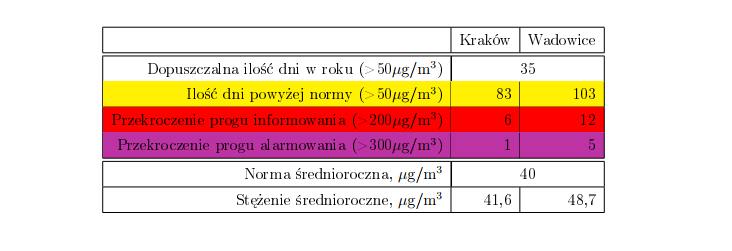
Air quality measurements have been carried out in Wadowice Since January 27, 2017 thanks to the Krakow Smog Alert Station installed on the John Paul II Square. The measurement results show that in January and February 2018 the air quality in Wadowice was worse than in Krakow.

In order to build social awareness of the problem, it is necessary to have access to information on air quality in a given town. The results of quantitative research carried out in the Malopolska Region indicate that this awareness is much lower in smaller towns and villages than in the capital of the Region. Inhabitants of smaller towns very often do not have access to measuring equipment, hence they do not know the quality of air in their place of residence, and the problem of air pollution is associated only with Krakow.

Developing residents’ awareness requires conducting measurements in various regions. Therefore, the Krakow Smog Alert has been verifying air quality for a few years where there is no state monitoring station located. Wadowice is one of such places. A measuring station was installed there on January 23, 2017. Analysis of the results obtained until February 28, 2018 showed that the quality of Wadowice air is not the best. Comparing the results obtained with Krakow, it can be assumed that the air quality in Wadowice is very bad.

Exceedances of particulate matter PM10 standards in the air have been repeatedly recorded in the period from 24/01/2017 to 23/01/2018. Daily standards were exceeded on over 100 days. The analysis showed a clear correlation between low temperatures and deterioration of the air quality. Certainly, it can be concluded that low emission from home heating devices is the main cause of poor air quality in Wadowice.

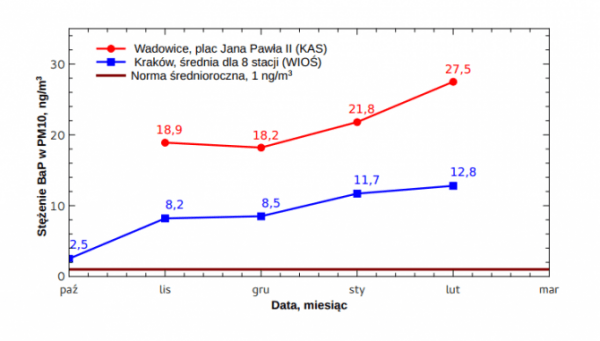
The concentrations of benzo (a) pyrene are also very negative.

Wykres jakości powietrza Wadowice

The research was carried out under measure C.2 “Competence Center” of the integrated project “Implementation of the Air Quality Program for the Malopolska Region – Malopolska in a healthy atmosphere” LIFE14 IPE PL 021/LIFE IP MAŁOPOLSKA.”

The first, inaugural newsletter of the LIFE IP MALOPOLSKA project was launched on May 29, this year. It will be distributed once a month to a Polish-speaking subscribers and once a quarter to English-speaking subscribers.

The newsletter includes the latest information about what is happening not only in the LIFE project, but above all in the Malopolska Region with respect to taking care of the air quality. The first issue is aimed at familiarizing all Polish municipalities with the activities of the Malopolska Region in the area of caring for air quality and encouraging them to undertake broader activities in this area. The bulletin can make readers familiar with how the work of Eco-managers is assessed by their superiors and what effects have been achieved after 1.5 years of their activities.

You are welcome to read the information bulletin below!

[easy_image_gallery gallery=”800″]

The 56th session of the Working Group on Strategy and Review (WGSR) was held at the United Nations headquarters in Geneva on May 23-25, 2018. The main issue discussed at the session concerned emissions of pollutants related to heating solid fuels.

The session included presentations of the experience of European countries as well as the United States and Canada in the field of activities related to reducing emissions from the combustion of biomass and coal in households. The meeting was also attended by representatives of international organizations: the European Commission, the World Health Organization (WHO), the World Meteorological Organization (WMO), the International Cryosphere Climate Initiative (ICCI). A representative of the Marshal’s Office of the Malopolska Region was participated in the session when invited by a representative of the Canadian government who was chairing the discussions of the Working Group.

Anti-smog resolutions and the LIFE project

Experiences of the Malopolska Region in the area of reducing low emissions through the introduction of anti-smog resolutions and implementation of the integrated LIFE project were presented. The theme of the presentation was the scale of the problem of air pollution in the Malopolska Region, the requirements of anti-smog resolutions for Krakow and the Malopolska Region, and the effects of the activities of the Eco-managers employed in 55 municipalities under the LIFE Malopolska project.

Emission of black carbon and its impact on climate change

The Working Party on Strategy and Review (WGSR) is the main negotiating body of the international Convention on long-range transboundary air pollution. It helps with policy issues, including: evaluation of the scientific and technical activities related to the preparation and verification of protocols, negotiating changes to the existing protocols and preparing new ones.

The main issues and problems mentioned during the presentation and deliberations of the Working Group concerned the negative impact of PM2.5 dust and black carbon on health and the increase of the greenhouse effect. Black carbon, whose main source of emissions in the world is the combustion of solid fuels in domestic furnaces and boilers, has a harmful effect on the climate by absorbing solar radiation. Black carbon on the snow cover of the planet also reduces the degree of reflection of the sun’s rays and strengthens the greenhouse effect.

A lot of attention was paid to the unification of dust and black carbon emission testing procedures from boilers and heating furnaces, including emissions in conditions of the actual equipment operation. It is estimated that it is several times higher than the levels obtained in laboratory tests of the devices.

See also: Website of the event

[easy_image_gallery gallery=”468″]

Heating using waste permitted?
Yes, but only in technologically-specialized facilities! One of them is the modern Eco-incineration plant in Krakow.

The Eco-managers implementing the LIFE IP MALOPOLSKA project had the opportunity to visit one of such places on May 28, this year. The Eco-incineration plant of the Krakow Municipal Holding is a place where tons of waste produced by the residents of Krakow are found. It is a modern facility that not only perfectly fits the visual space of the city, generates electricity, but above all, it gets rid of waste in an ecological, safe and economical way.

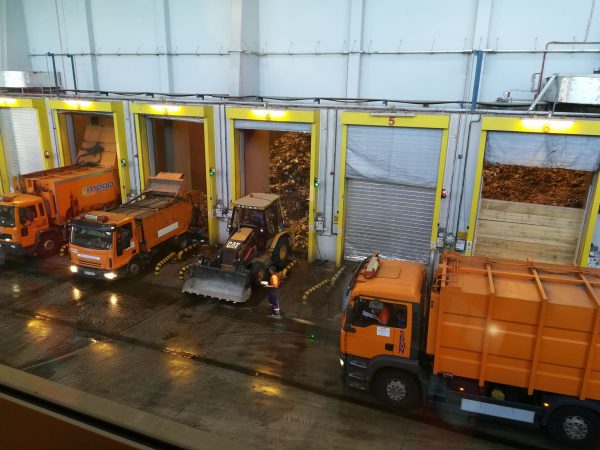
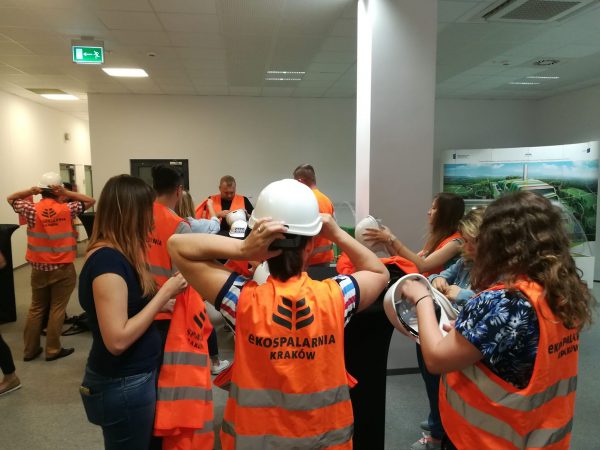
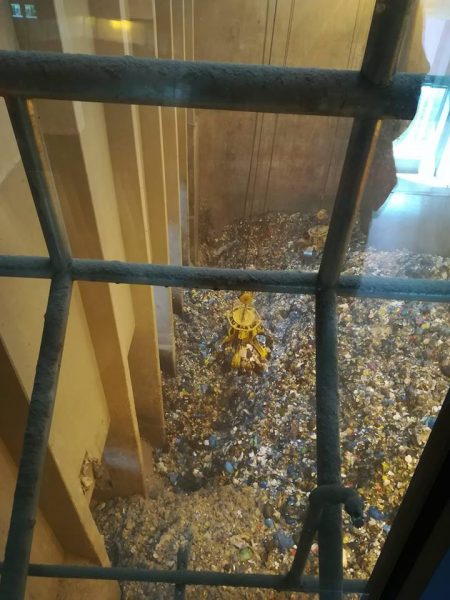
The Eco-incineration plant’s educational path starts with the proper preparation of a group of visitors. Each person is equipped with a protective helmet and a vest. Then an employee of the Eco-incineration plant introduces the group into the meanders of the facility’s operation. First, we see how cars with waste come to the incineration plant, the cargo is weighed, and then it is thrown into a huge silo. When leaving, each vehicle is again weighed and disinfected so that it could safely enter the city.

Krakow Eco-incineration plant accepts approx. 130 cars a day. This translates into about 300 kg of waste per year per one inhabitant of Krakow! It’s almost a kilo of waste per day generated by one person!

The visit at the incineration plant was combined with workshops for Eco-managers concerning settlements for Sub-measures 4.4.1, 4.4.2 and 4.4.3 of the Regional Operational Program of the Malopolska Region. The Eco-managers employed in the City of Krakow discussed their work which, due to the specificity of the capital of the region, differs in part from the work of other Eco-managers employed in the municipalities of Malopolska Region.

Ekospalarnia warsztaty

Classes in schools, Eco-picnics, outdoor workshops, film screenings, experiments with air, games, contests and many, many more. That’s how # EUGreenWeek2018 was celebrated in the Malopolska Region!

What is #EUGreenWeek 2018?

Green Week is an annual event organized by the European Commission and devoted entirely to issues related to environmental protection. This is a unique opportunity for the representatives of public administration, non-governmental organizations, academic environments and the media to exchange experiences and good practices in the field of environmental protection. This year’s edition of Green Week focused on the theme of green cities.

Exceptionally active Eco-managers

The Eco-managers employed within the LIFE IP MAŁOPOLSKA project decided to conduct classes at schools, where they discussed more than only the matters related to air quality, they also discussed their daily work and why they became “specialists in clean air”. More than four thousand young people from all over the Malopolska Region participated in the events organized by Eco-managers.

“Save yourself, take care of the earth!”, the anti-smog information campaign for junior high school students

A lot has happened in almost every municipality implementing the LIFE project. In Świątniki Górne, the Eco-manager held a competition for junior high school students, it resulted in slogans promoting clean air and pro-ecological attitudes. Thanks to the creativity of the youth, in the nearest heating season, residents of Świątniki Górne Municipality will have the opportunity to witness an information campaign the authors of which are young people from their own municipality.

Green Week


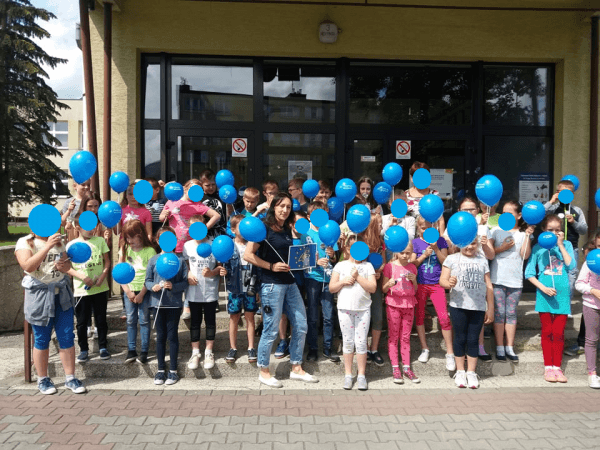
A colorful procession participated by dozens of primary school kids marched along the streets of the city in Limanowa. Blue balloons, pro-ecological slogans and lots of good energy!

Green Week

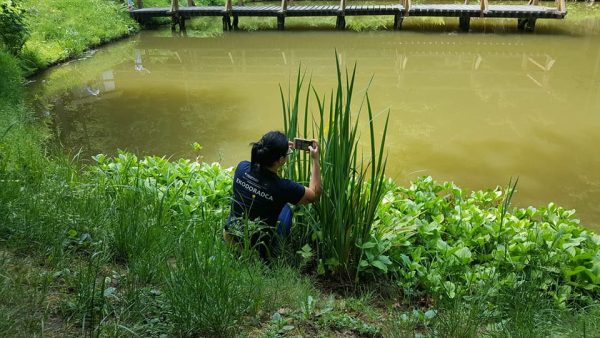
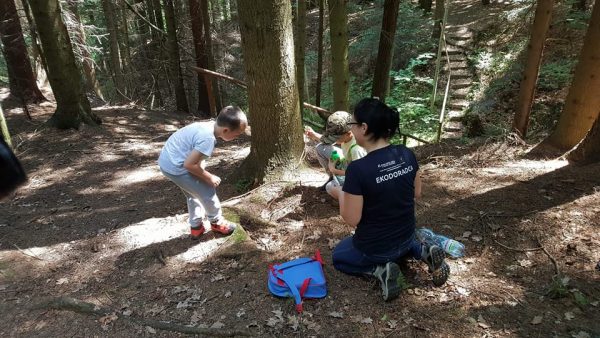
The Eco-manager in Tarnów conducted more than lessons in a primary school. In cooperation with the Landscape Parks Team, she went for a walk with the children, during the walk she talked about the LIFE project and the activities undertaken for clean air.

Green Week


Green Week

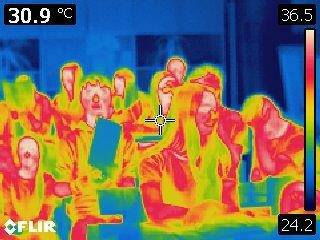
What an thermoimaging camera is and how does the complicated device operate, as discussed by the Eco-manager from Wieprz Municipality.

Green Week

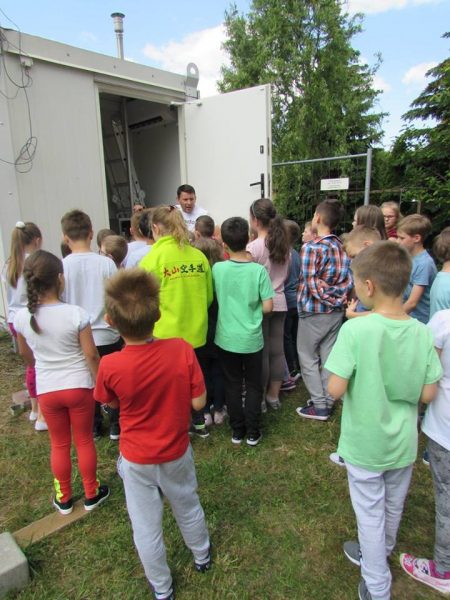
And what happened in Wadowice? Kids visited air quality monitoring stations. They could get to know it closely, and the Wadowice Eco-manager responded patiently to all questions.

Green Week

Another #EUGreenWeek in a year!

You are welcome to read the following article in the Get to Know Your Eco-manager! cycle. The cycle is connected with Eco-manager workshops during which they share their experiences, knowledge and creative ideas to fight smog. Today we are presenting the activities of Michał Bochenek – the Eco-manager employed in Koniusza Municipality within the “Implementation of the Air Quality Program for the Malopolska Region – Małopolska in a Healthy Atmosphere” LIFE project.

A local resident comes to you and wants to settle the matter quickly and efficiently. How should you be prepared for such a visit? What should he know to save time spent at the office?

Michał Bochenek, the Eco-manager in Koniusza Municipality: First, he should ask himself what he wants to do? Will it be information what boiler he should buy? Will it be getting the funds? Is thermo-modernization of the house within his interests? Does he wants to invest in renewable energy sources? If a resident asks me about funding a new boiler, I am interested in, among others: the condition of his building, whether it is insulated, are windows and doors exchanged? If the house meets the requirements, it is modernized I am capable of providing help in getting the boiler funding. However, if the house is not insulated, has old windows, and heat escapes through the roof I can advise to obtain a loan for thermo-modernization in the Provincial Fund for Environmental Protection and Water Management.

It is then the most significant for the resident to know what the condition of his building is with respect to thermal efficiency.

Michał Bochenek: Michał Bochenek: As a rule – yes. Only after recognizing the situation, can I provide the person with information on where and when he/she should submit their application, what form they should use, where they should look for further information, as not everything can be arranged in the municipality office. However, as far as our internal investment funding programs are concerned, I immediately provide information on how to obtain such funding, what requirements should be met, what amounts can be obtained and what is the further procedure like.

How do you assess the ecological awareness of the inhabitants of Koniusza Municipality?

Michał Bochenek: When I started to work, it was not the best. Now, slowly, the situation is improving. In the past few years, the issue of smog has been very popular in the media. In the municipality itself, an Eco-manager was hired, his goal is, among others, to raise public awareness in the field of air quality protection. What is more, people are more and more interested in the subject, they ask questions, they inform each other, e.g. neighbors inform their neighbors. This is understandable, why should one family invest in ecological heating when a person uses an old furnace for heating a few meters away and poisons the entire neighborhood? Going out to people, talking, meeting adults and children, it all brings results.

What are your plans for your professional future? What would you like to achieve in 2018 as an Eco-manager?

Michał Bochenek: So far, I have focused on meetings with adults and preschoolers and children from primary schools. Now I would like to get more involved in secondary education, where cooperation is so much more difficult that the mere transfer of knowledge is not enough. We should activate young people, encourage them to take part in various meetings, initiatives, competitions that will help this knowledge to be systematized and perpetuated. At the moment the main challenge is to pass this knowledge on to young people so that they were interested in the subject and willingly engage in the activities that we offer.

You can learn more about the activities of the Eco-manager of Koniusza Municipality from the Facebook profile: Koniusza in a healthy atmosphere.