10 years of actions for clean air in the Malopolska Region
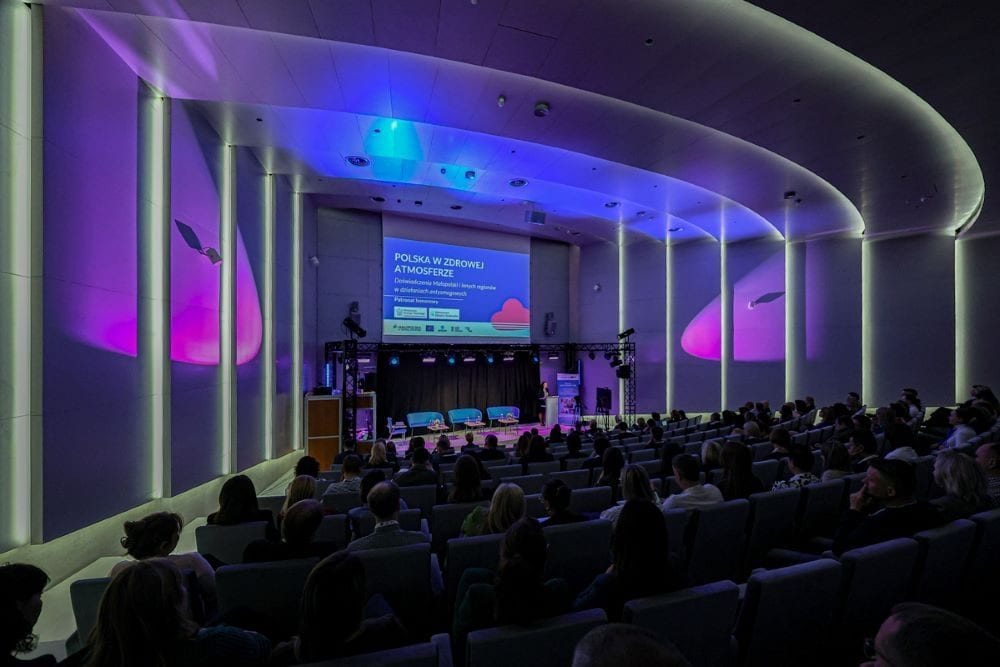
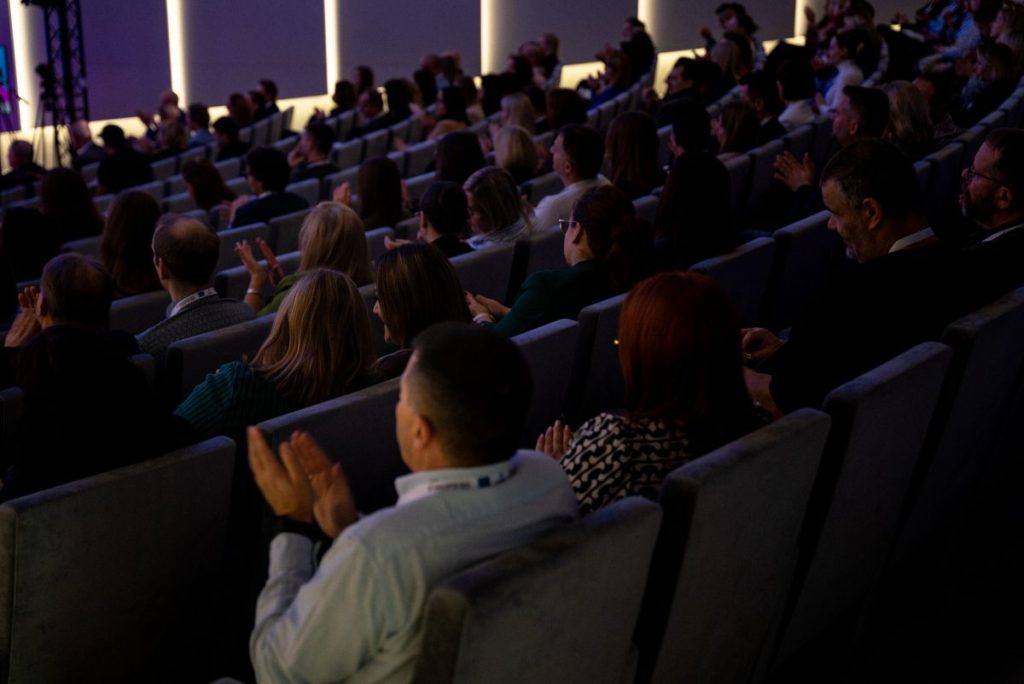
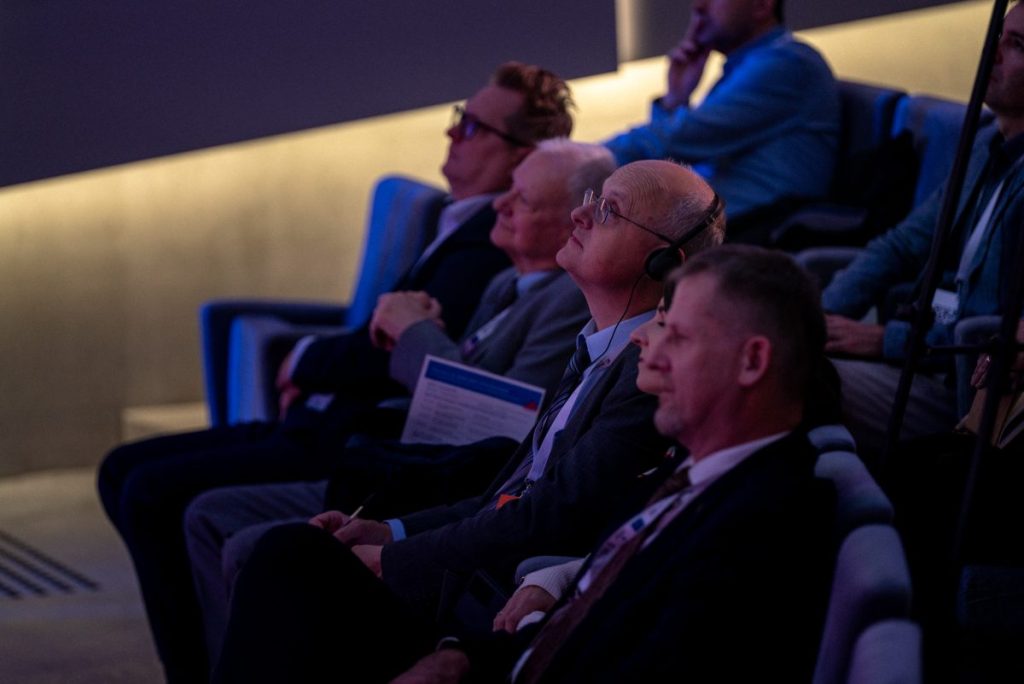
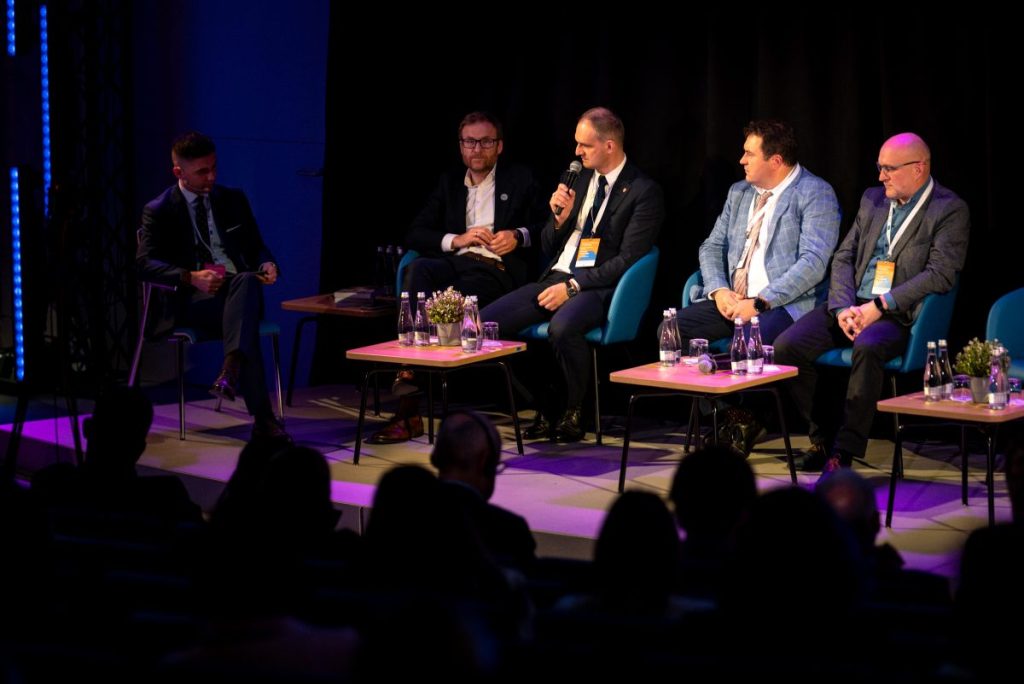
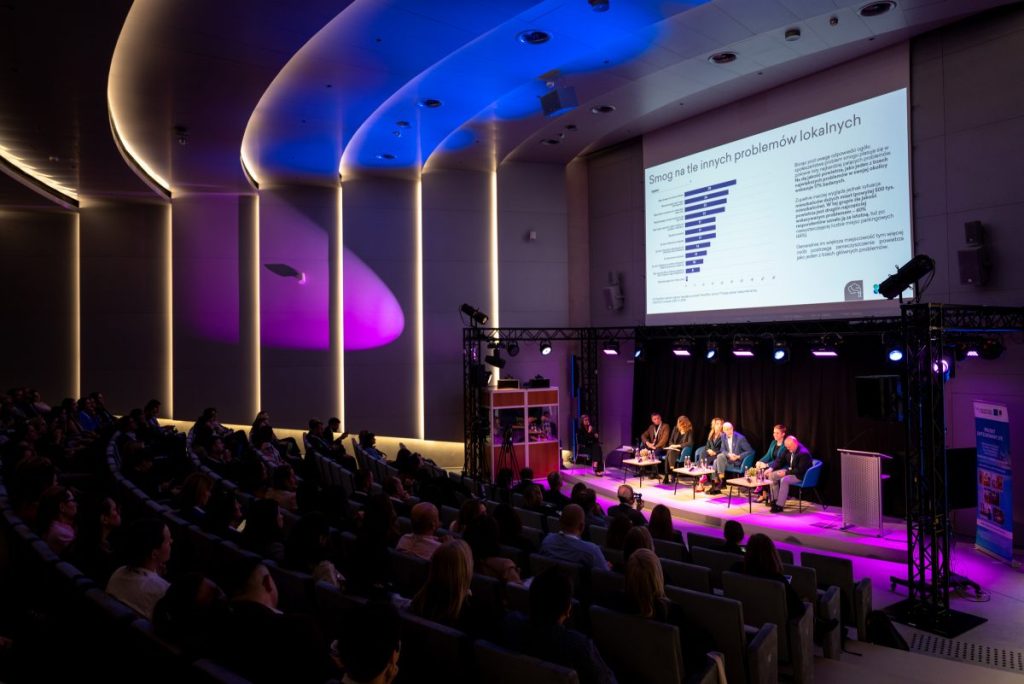
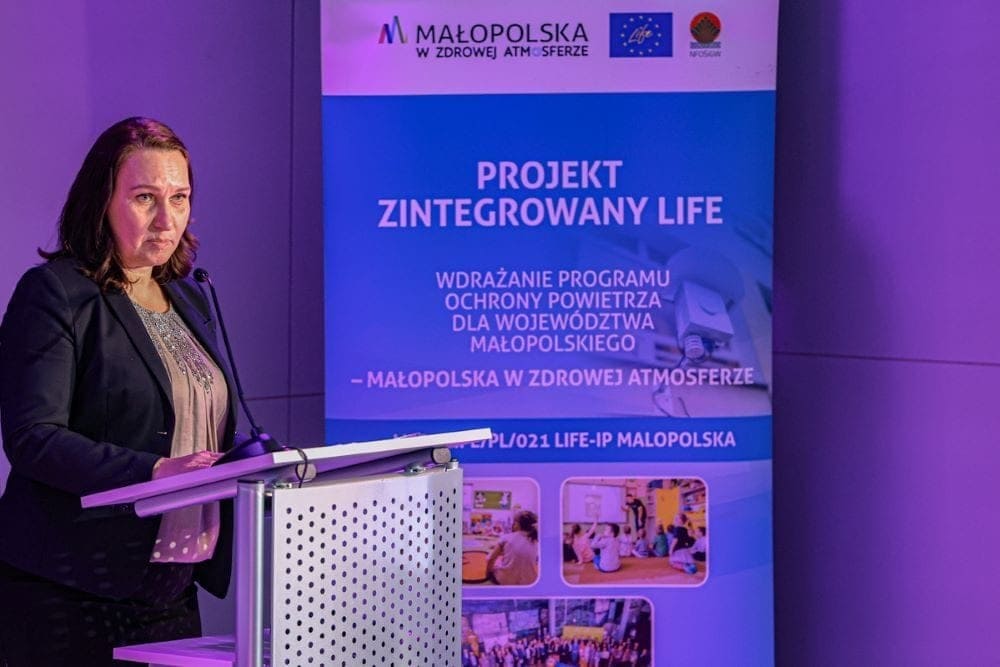
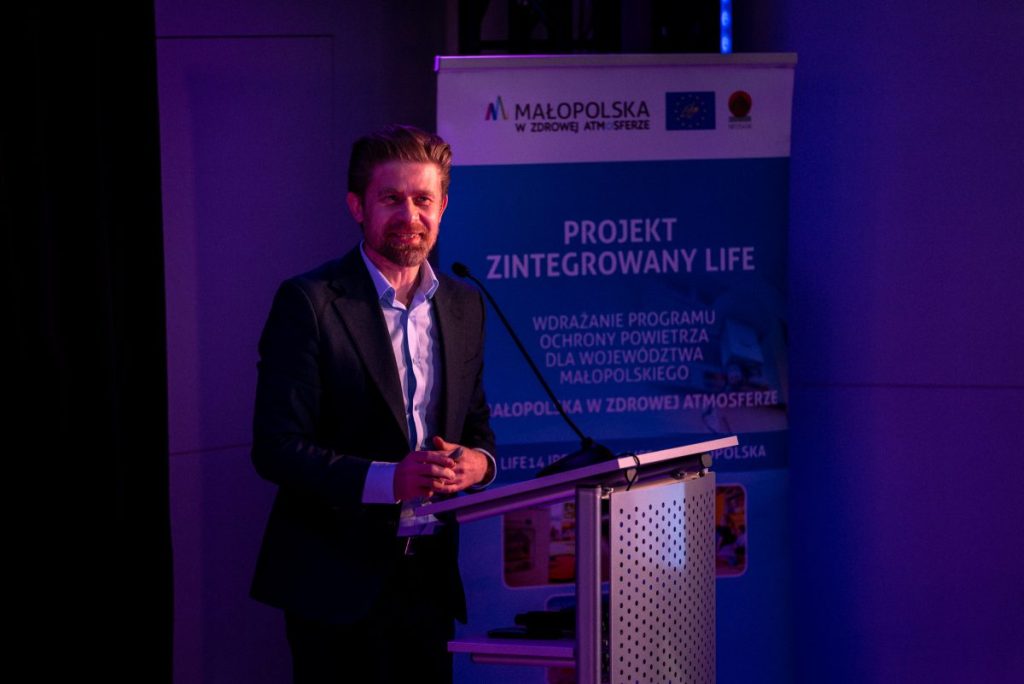
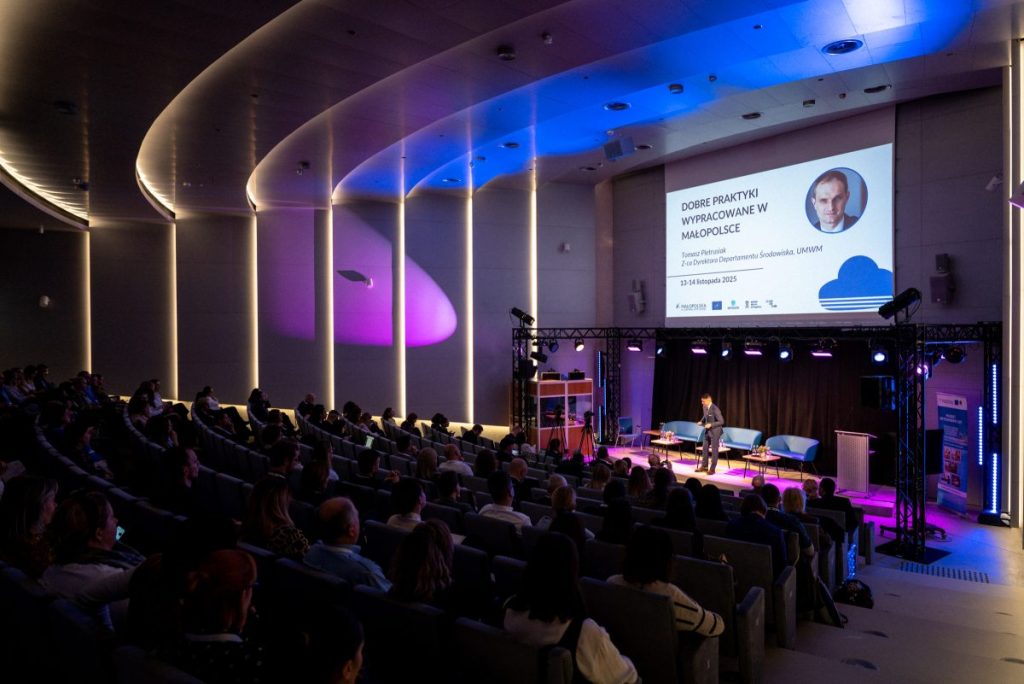
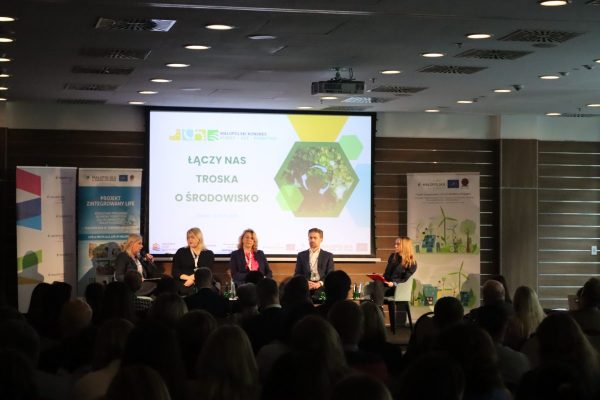
“Poland in a healthy atmosphere. The experience of the Malopolska Region and other regions in anti-smog measures” – this was the name of the conference held at the Cogiteon Science Centre in Krakow. The event summarized a decade of work under the LIFE project – “Malopolska in a healthy atmosphere,” which has been key to the systemic improvement of air quality in the Malopolska Region and an inspiration for other parts of the country.
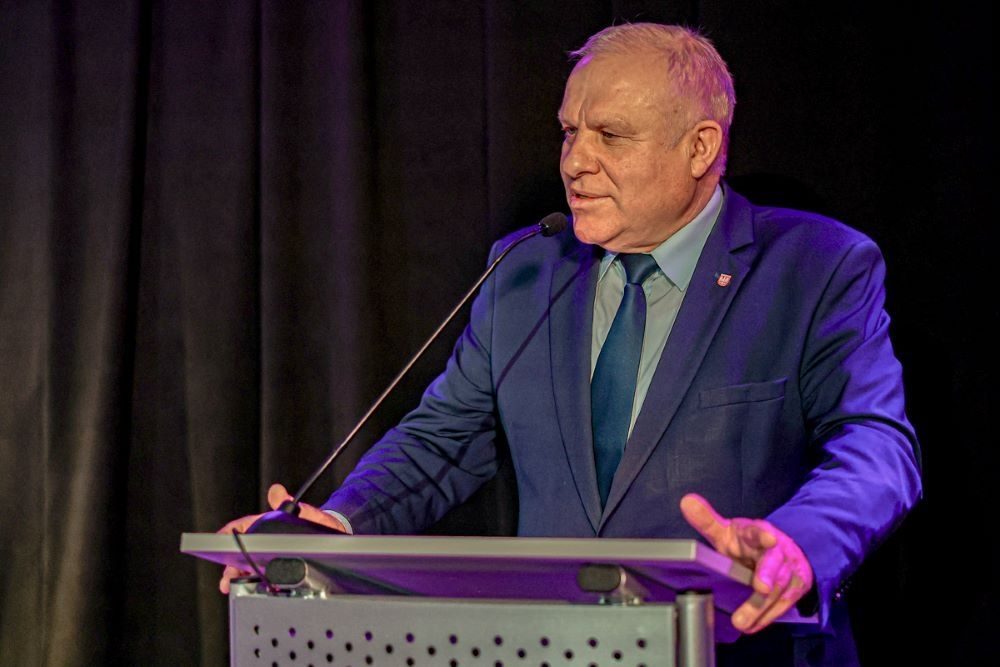
The conference was opened by Ryszard Pagacz, Deputy Marshal of the Malopolska Region, together with Aneta Willems, Director of the Department at the European Climate, Infrastructure and Environment Executive Agency (CINEA). This combination of regional and European perspectives highlighted how strongly air quality issues connect the actions of local governments, national authorities, and EU institutions.
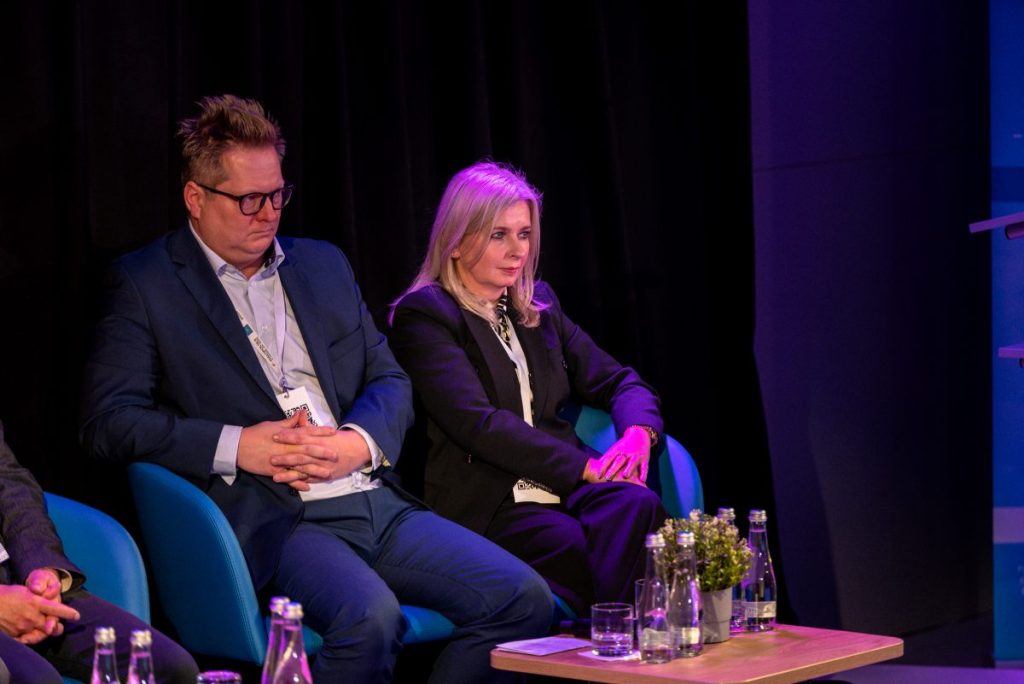
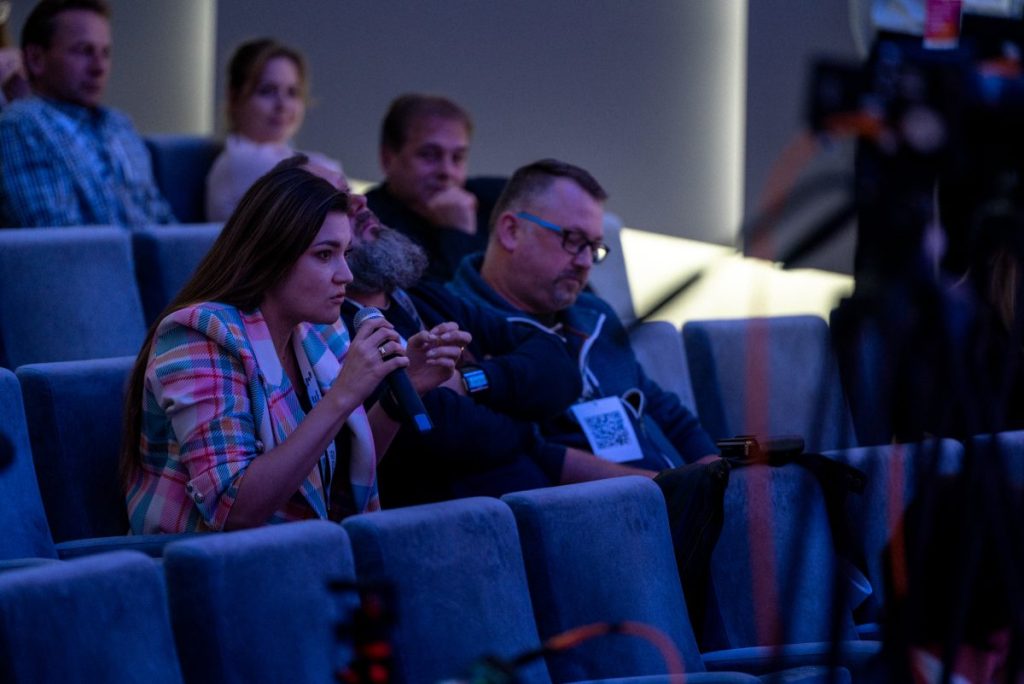
During the two days, participants analyzed the effectiveness of educational activities, practical aspects of implementing and enforcing anti-smog resolutions, financing the replacement of boilers, and future challenges related to new air quality regulations. Presentations also covered changes in pollution levels, the impact of anti-smog initiatives on the economy, and the energy status of Polish homes.
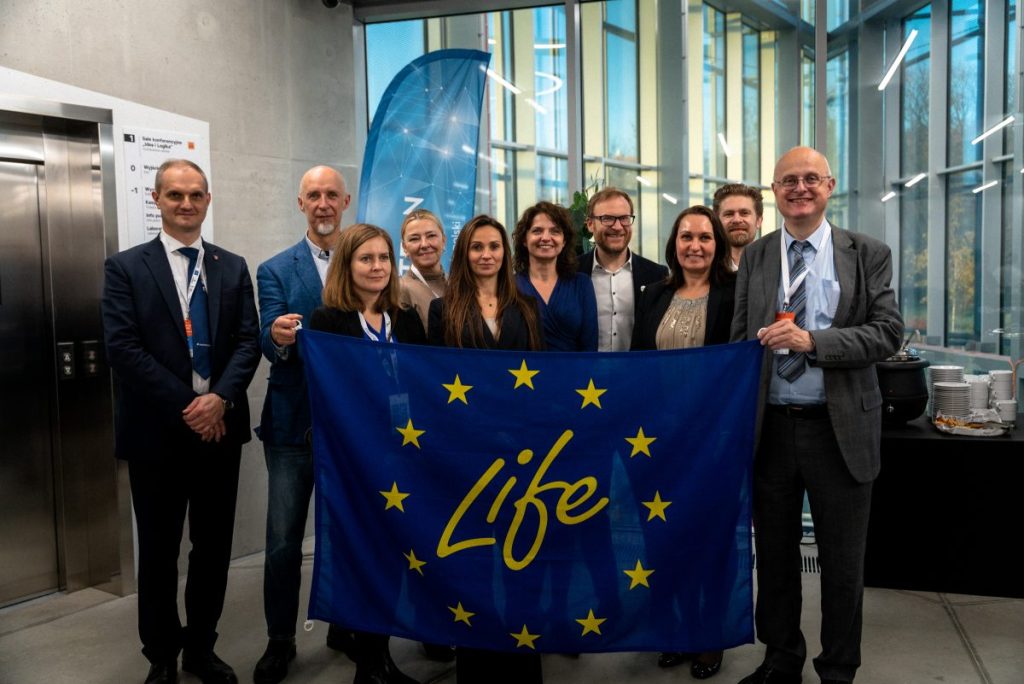
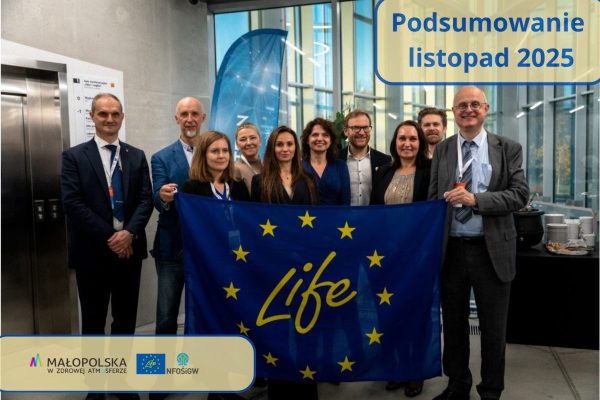
A special guest of the conference was Guido de Wilt from the European Commission, referred to by many as the “good spirit of the project.” His long-term support and engagement in activities implemented under the LIFE Programme were crucial for the development of systemic anti-smog solutions in the Malopolska Region.
An important element of this year’s event was also that November 14 marked Clean Air Day. Celebrating together with experts, local government representatives, and European institutions symbolically summarized the journey of the Malopolska Region – from the first anti-smog resolutions, through consistent educational and monitoring actions, to the tangible improvement in air quality.
The conference demonstrated that, although much has already been achieved, the future of air protection brings new challenges – technological, regulatory, and social. At the same time, it sent a strong signal that cooperation between regions, countries, and European institutions is key to maintaining and deepening the progress achieved.