Local Governments Facing New Challenges: “Support for the Energy Transition of Municipalities in the Malopolska Region” Conference!
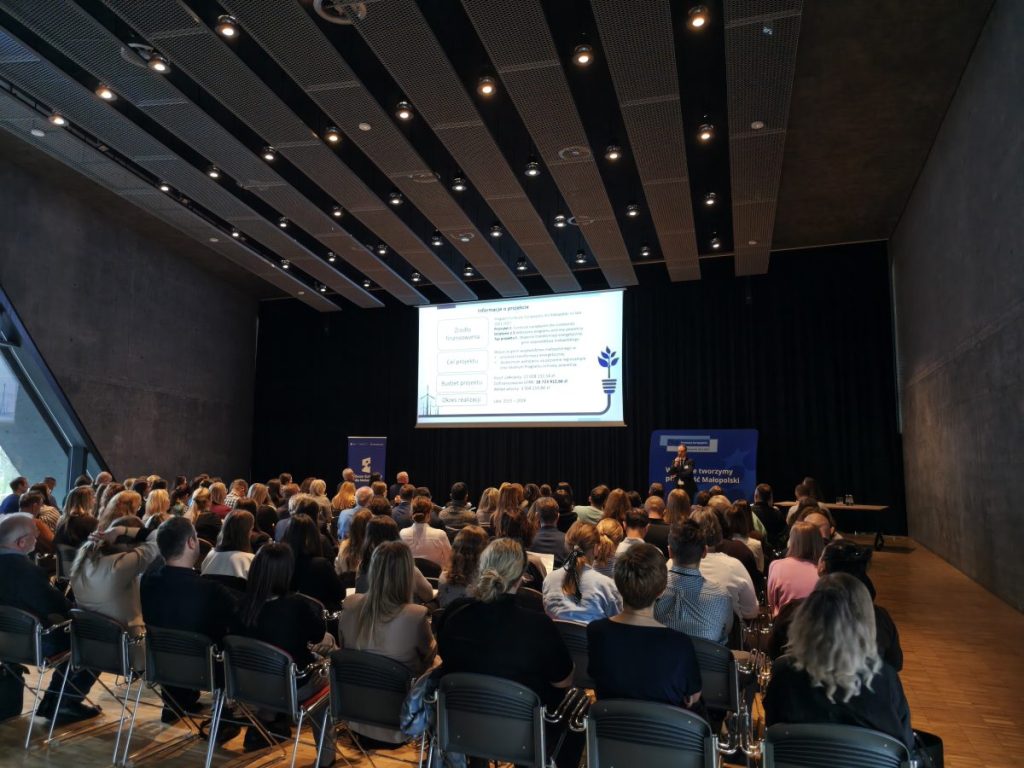
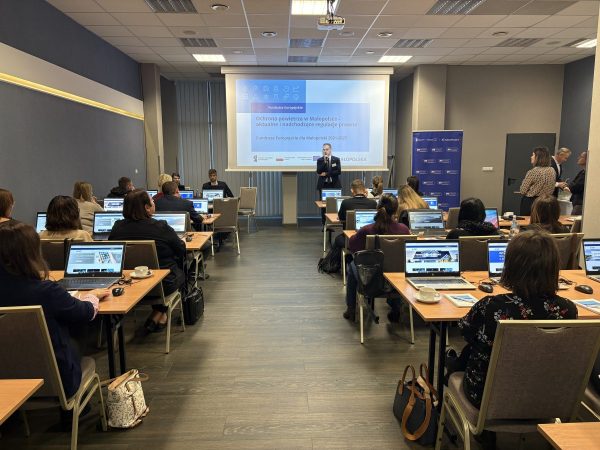
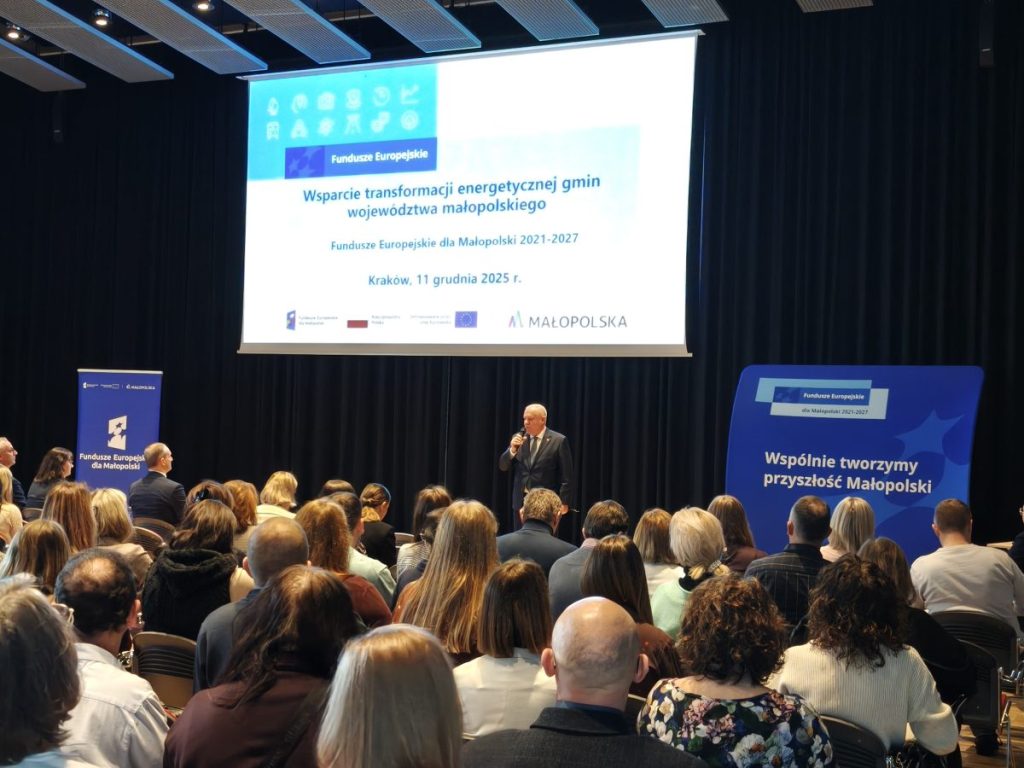
The challenges facing local governments in connection with the energy transition were the main topic of the conference organized under the project “Support for the Energy Transition of Municipalities in the Malopolska Region”. The event was co-financed by the European Funds for Malopolska 2021–2027 programme.
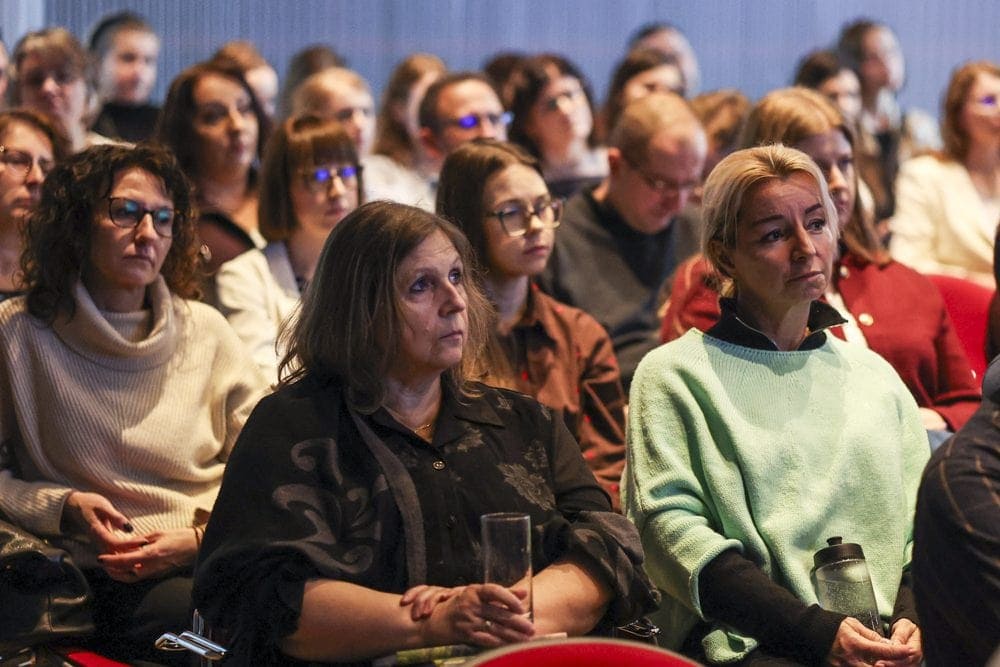
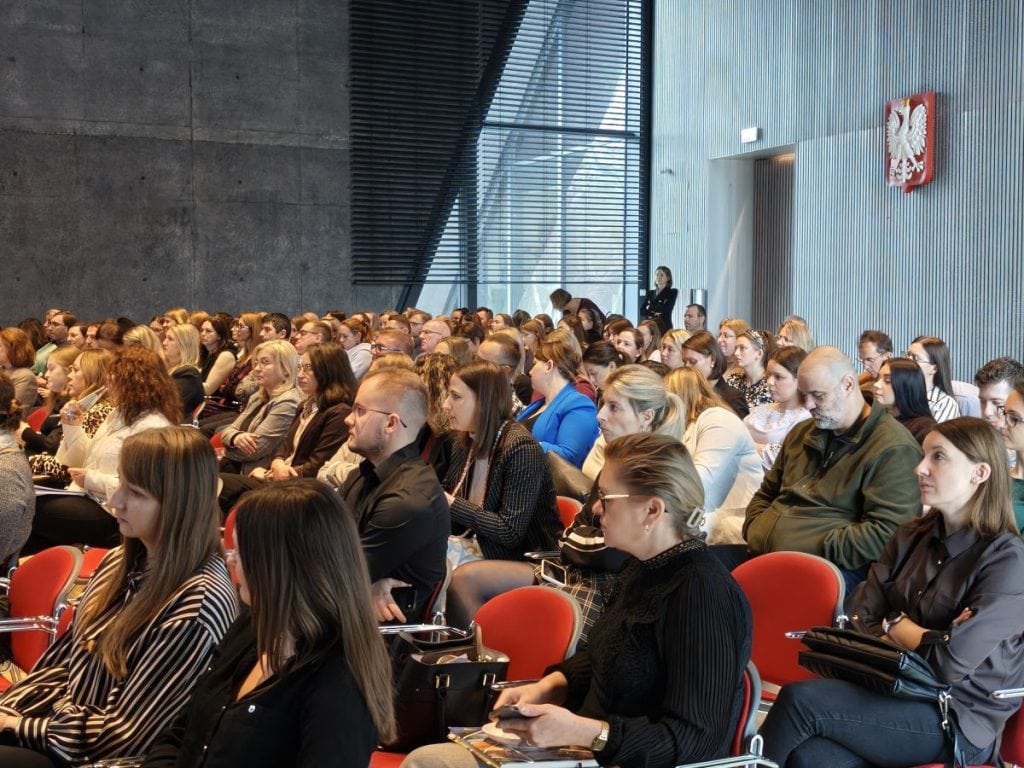
The meeting brought together representatives of municipalities from across the region, environmental experts, as well as individuals responsible on a daily basis for planning and implementing local anti-smog and energy initiatives.
Shared Responsibility for the Direction of Change
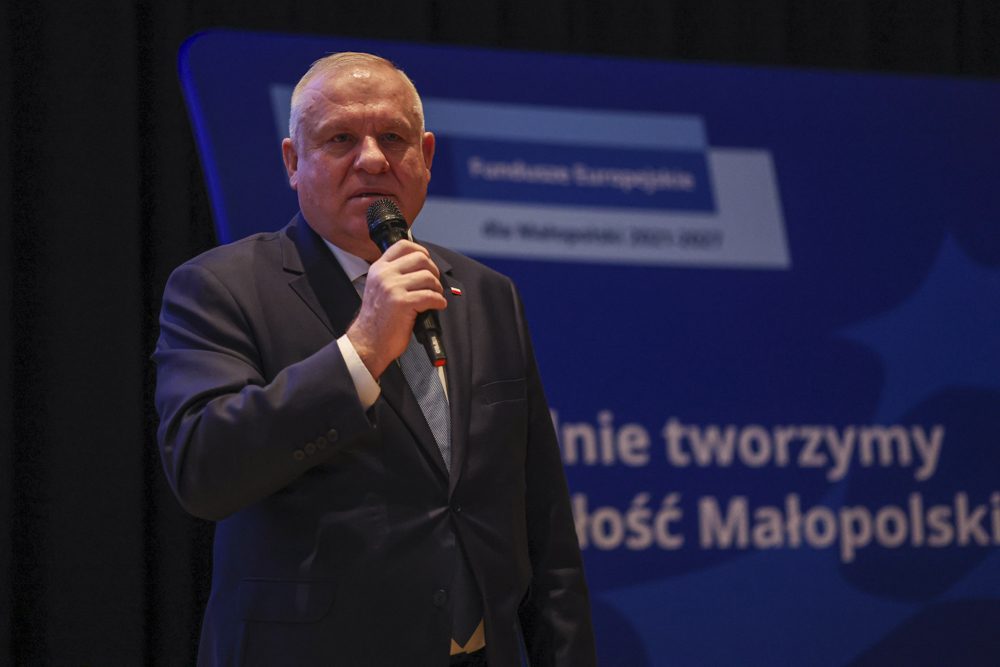
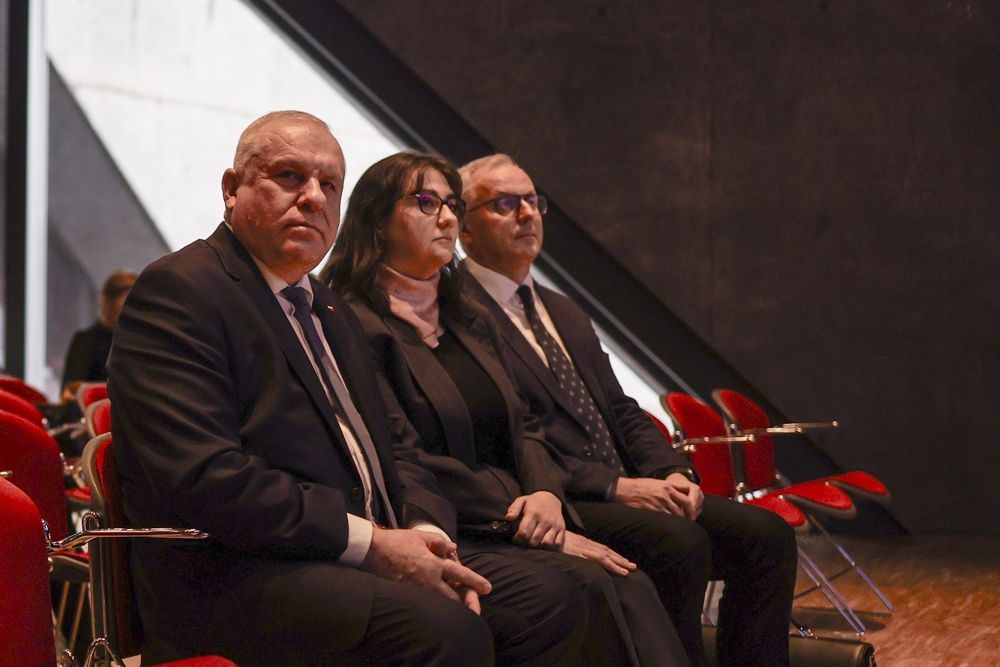
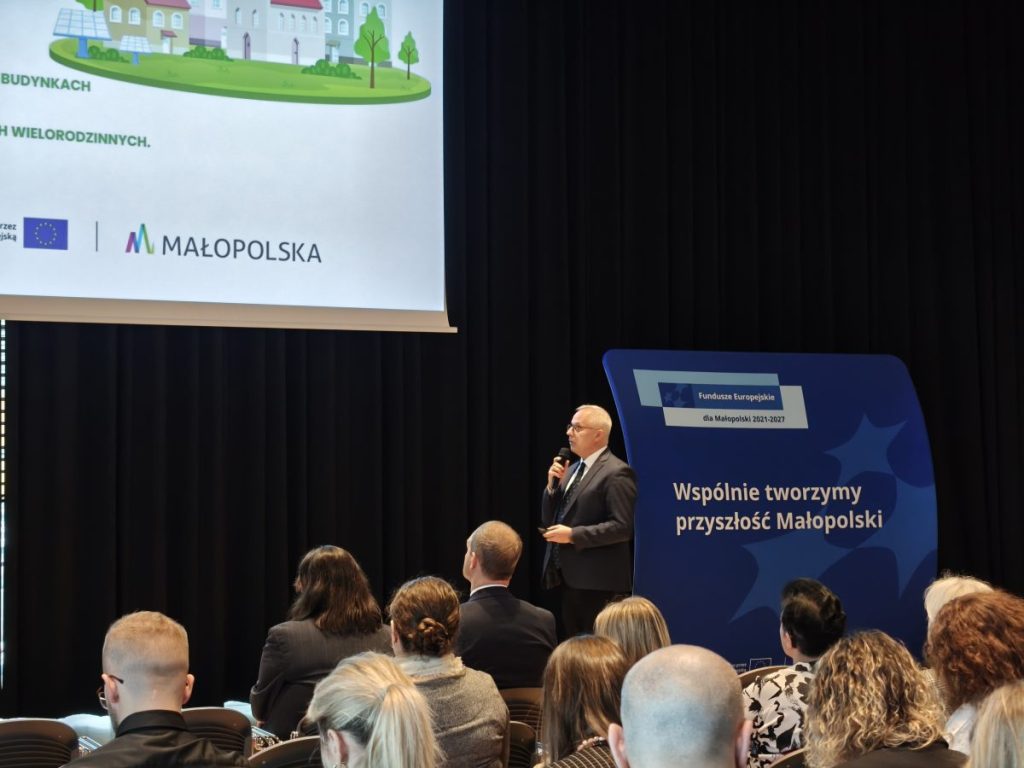
The conference was opened by Ryszard Pagacz, Deputy Marshal of the Malopolska Region, who emphasized the importance of cooperation among local governments in the face of increasingly demanding challenges related to air quality improvement and the energy transition. In his speech, he stressed that the transition is not merely a legal obligation, but above all an investment in the health of residents, energy security, and the future development of the region.
“Today we face a task that is neither easy nor quick, but it is necessary. The energy transition is not just a legal obligation – it is primarily concern for the health of residents, energy security, economic development, and quality of life in our municipalities. It is also a task that none of us can accomplish alone. We need cooperation, exchange of good practices, and consistency in action,” emphasized the Deputy Marshal.
Tools and Assumptions of the “Support for the Energy Transition of Municipalities” Project
The aim of the project “Support for the Energy Transition of Municipalities” is to assist local governments through the development of efficient energy solutions, education, and citizen engagement in the transition process. The project responds to the growing need to support municipalities in adapting to new requirements.
Current Air Quality and Outlook
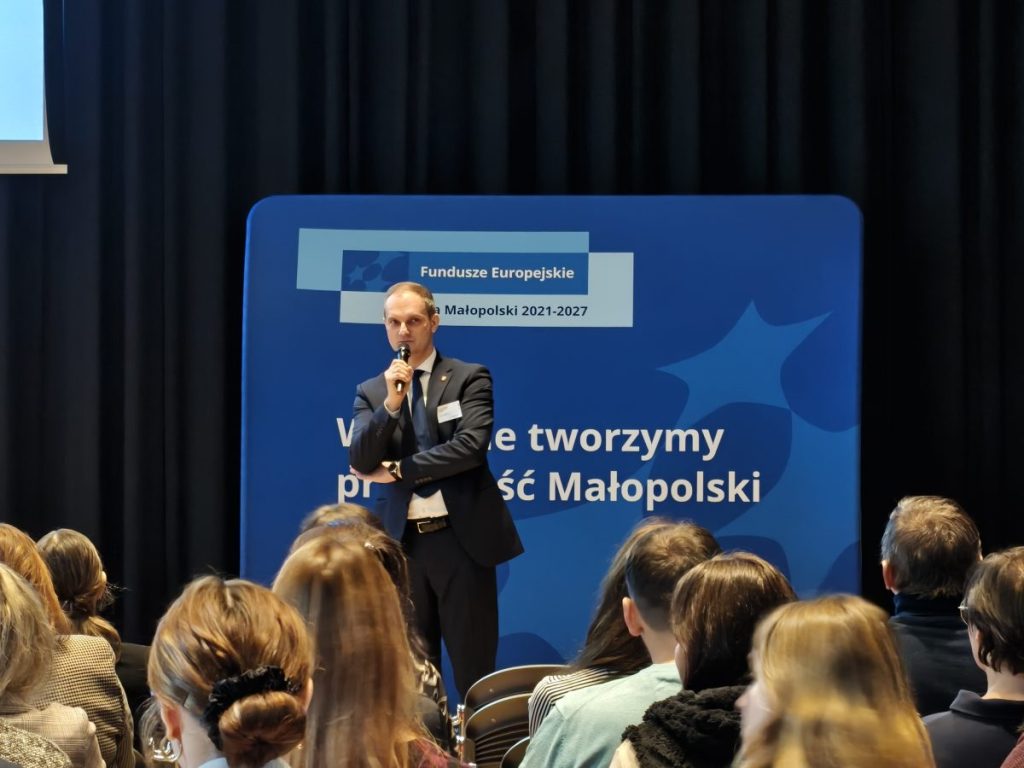
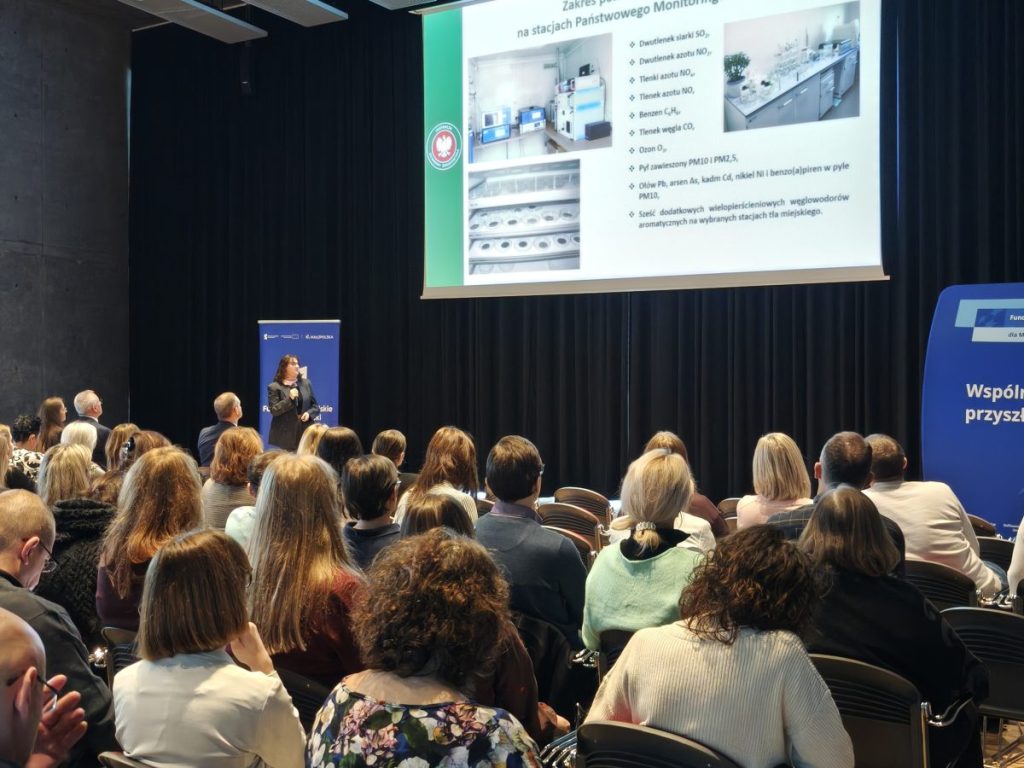
Data on the latest forecasts were presented by Edyta Litwin from the Regional Environmental Monitoring Department in Krakow, who shared a report on air quality in the Malopolska Region. Participants learned current data and projections that help assess how new EU standards will impact individual municipalities.
Areas were identified where – despite intensive measures to date – exceedances are expected after the AAQD Directive comes into force. These analyses serve as a key reference point for developing new strategies and corrective actions.
Financial Support and Tools for Municipalities
The next panel, led by Rafał Wdowicz, Acting Director of the Department of Financial Instruments, MARR S.A., focused on available financial instruments supporting energy efficiency improvements. Opportunities for financing investments in infrastructure modernization, reducing energy losses in buildings, and developing renewable energy sources (RES) were discussed.
New Legal Obligations and Updating the Air Quality Plan
A highly attended panel was conducted by Tomasz Pietrusiak, Deputy Director of the Department of Environment, covering the planned 2026 update of the Air Quality Plan (POP) for Malopolska. The current POP is valid until the end of 2026, and its update will extend corrective actions by another two years while preparing the region for changes resulting from the draft Air Quality Act. Future directions for the document were discussed, highlighting the need to align local environmental policies with updated legal requirements and the rapidly changing energy landscape. It was emphasized that this will be a critical moment for the entire Malopolska Region, requiring broad municipal engagement, consultations, and inter-institutional cooperation.
A Shared Path to Cleaner Air and Safe Energy
The conference concluded by emphasizing the importance of cooperation and the exchange of good practices among municipalities. Energy transition and air quality improvement are long-term processes that require consistent actions, yet are essential for residents’ health and regional development.
Thanks to the presented tools, forecasts, and legal updates, participants received a solid knowledge base to better prepare for upcoming challenges. The event also provided a space for constructive discussion and experience sharing – crucial in light of the changes that will shape local energy and environmental policies in Malopolska in the coming years.
Wsparcie transformacji energetycznej gmin województwa małopolskiego- kierunki działań w projekcie
Instrumenty finansowe wspierające poprawę efektywności energetycznej