On Energy Transformation: Study Visit
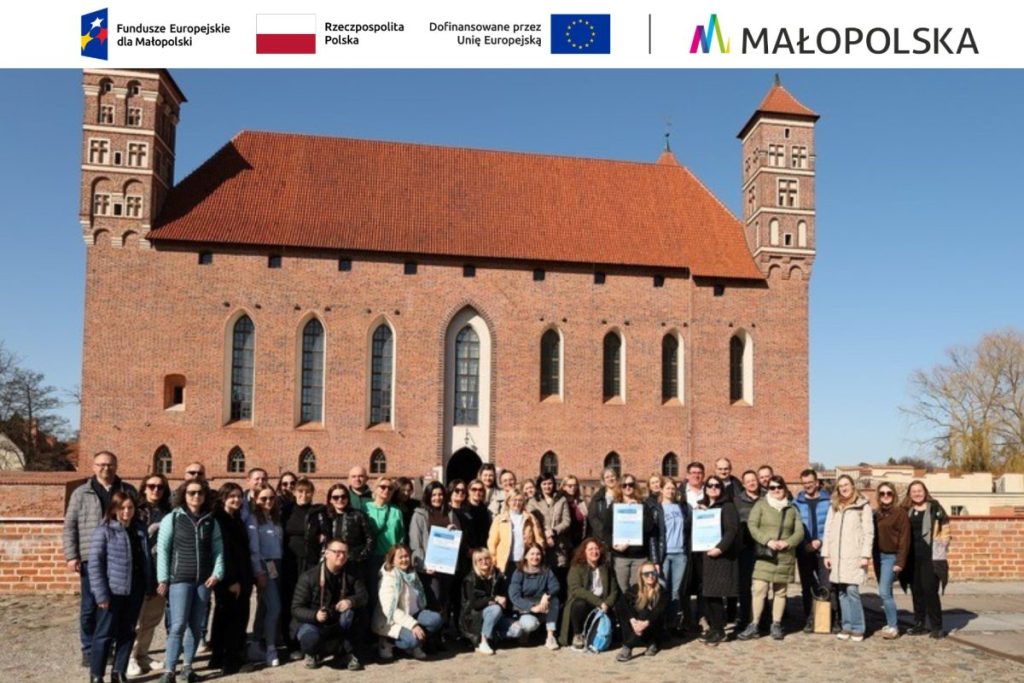
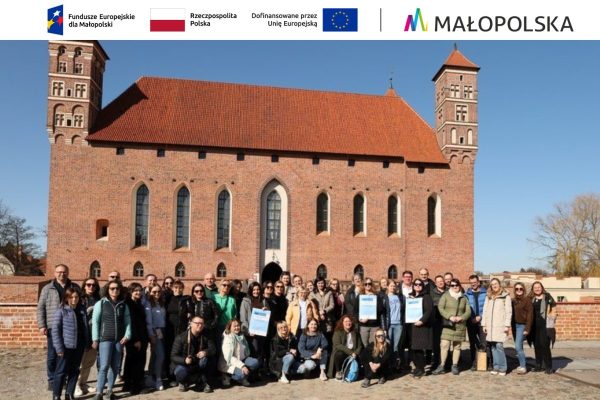
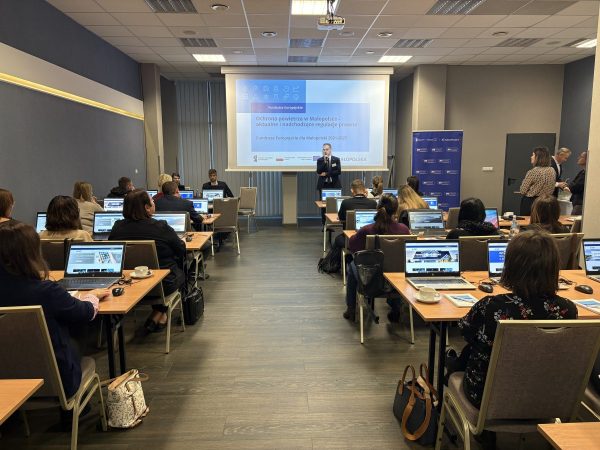
Best practices in renewable energy, waste management, and modern energy management systems were the main topics covered during a study visit for municipal representatives, held in the Pomeranian and Warmian-Masurian regions. The visit was organized as part of the project “Supporting the Energy Transformation of Municipalities in the Malopolska Region”, co-financed by the European Union under the European Funds for Malopolska 2021–2027 program.
Słupsk – Citizen Energy in Practice
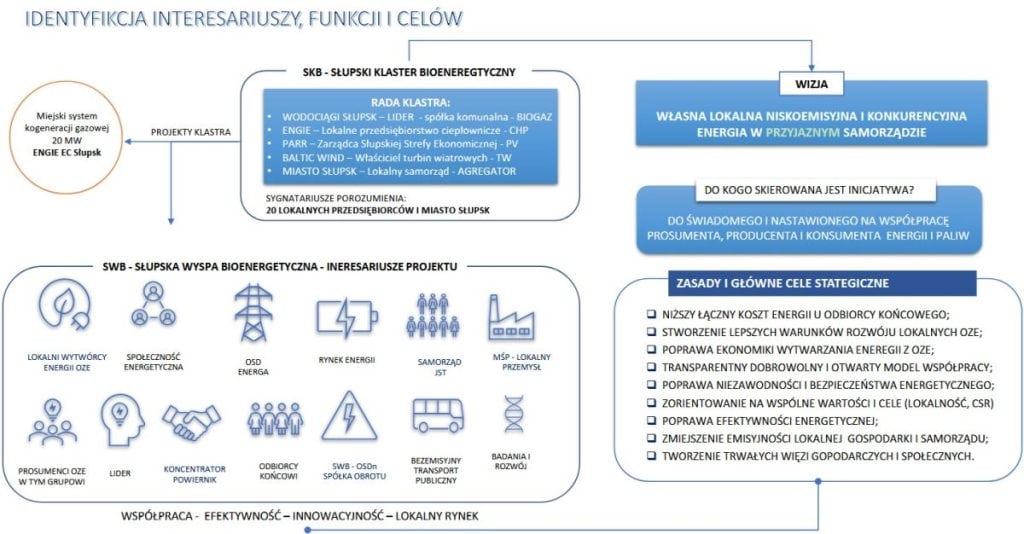
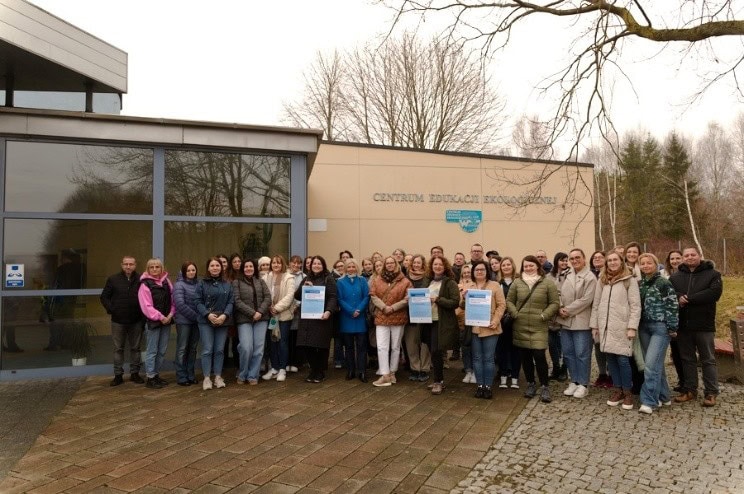
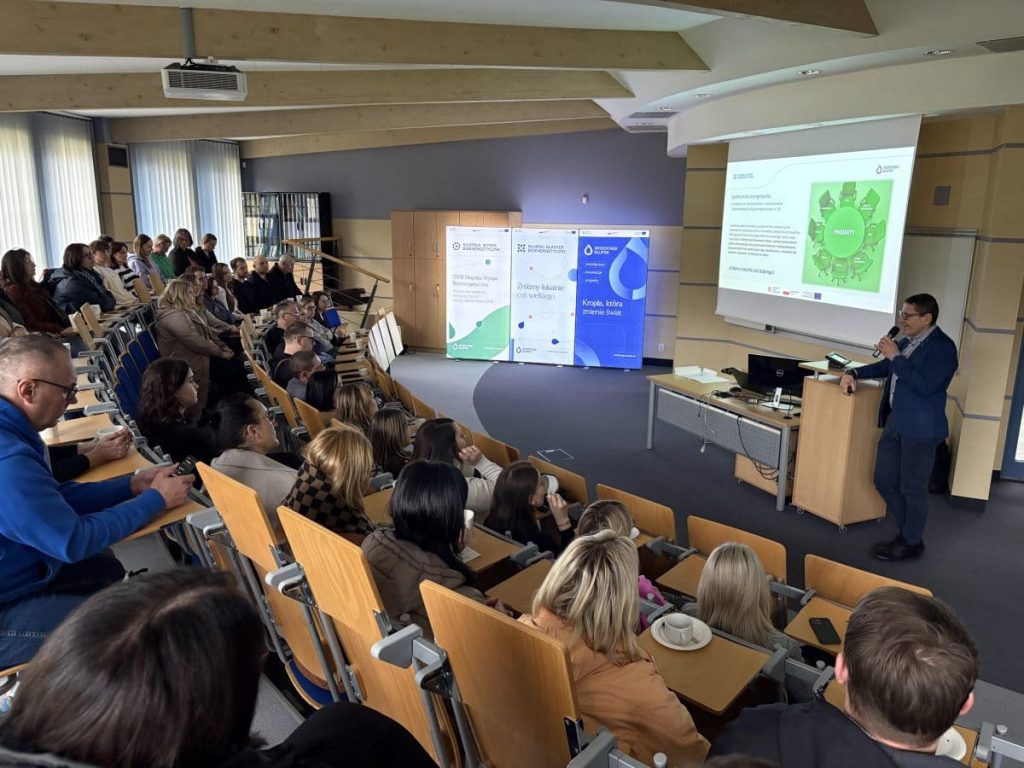
One of the first stops of the visit was the Ecological Education Centre in Słupsk, operating at the city’s wastewater treatment plant. A key focus of the visit was the activity of the Słupsk Bioenergy Cluster (SKB), established in 2017 by 20 entities and coordinated by the local municipal company Wodociągi Słupsk.
The Cluster serves as a cooperation platform, coordinating and initiating projects in the fields of renewable energy (RES), combined heat and power (CHP), citizen energy, and the Low-Emission Economy Plan. It brings together local government units, municipal companies, entrepreneurs, and academic institutions.
This collaborative model enabled the launch of the largest energy project in the region to date – the Słupsk Bioenergy Island (SWB). It is an integrated system for the production, storage, and management of energy from renewable sources, based on the concept of a so-called balancing island. This is the first project of its kind implemented in northern Poland.
Potęgowo – Leader in Energy Transformation
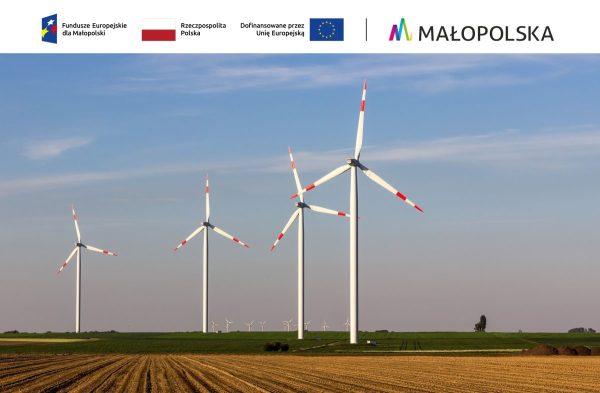
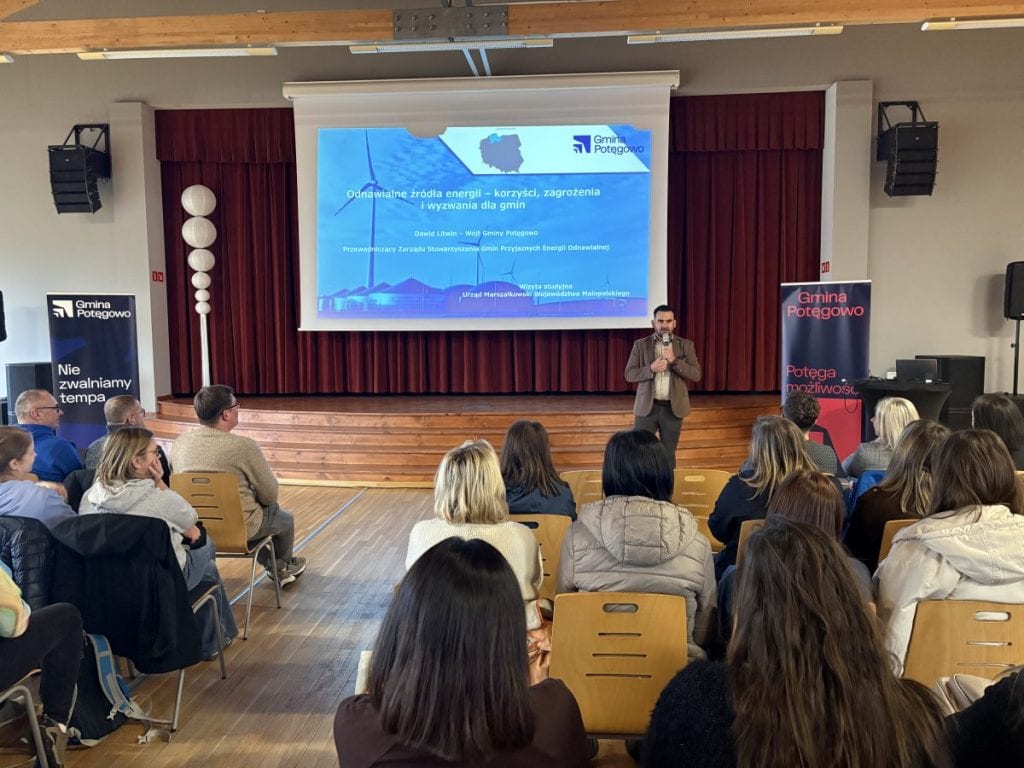
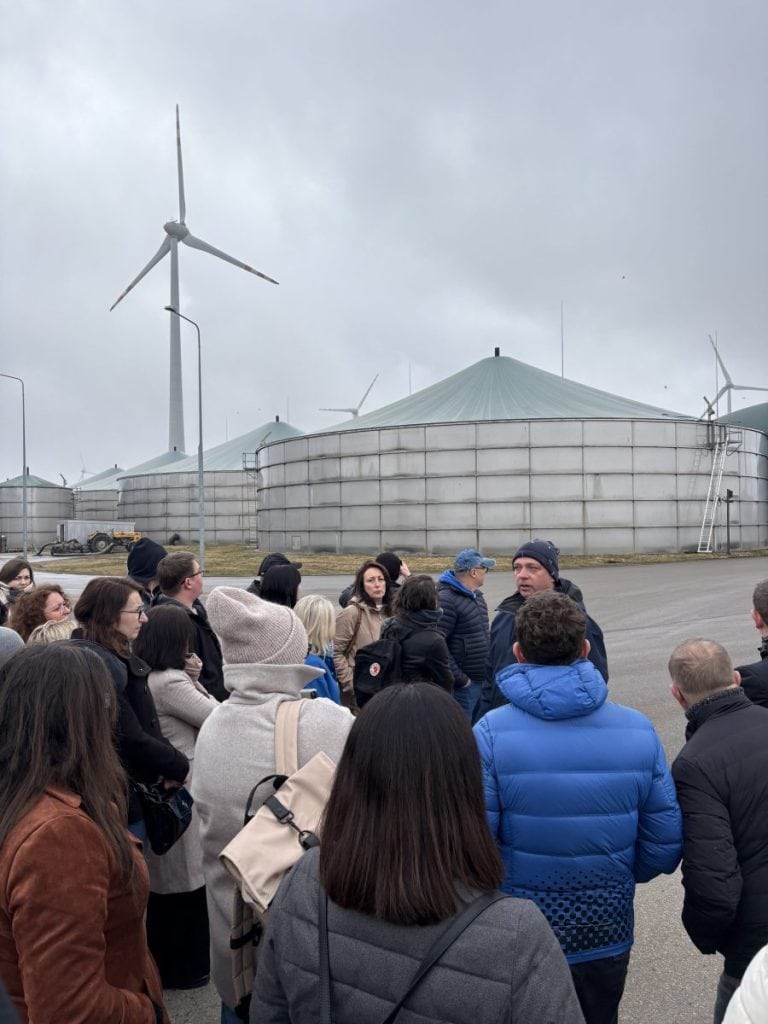
The next stop on the program was a visit to the Potęgowo municipality (Słupsk County), recognized as one of the leaders of energy transformation in Poland, particularly in the use of wind energy. This Pomeranian municipality ranks among the top national producers of electricity and heat from renewable energy sources (RES). Power and heat are supplied by 79 wind turbines, photovoltaic farms, and a biogas plant. Potęgowo is considered the municipality with the lowest heat prices in Poland (54.50 PLN per 1 GJ of thermal energy).
During the meeting, the mayor presented the municipality’s development model based on extensive use of RES. Special attention was also given to the agricultural biogas plant in Darżyno, operational since 2013, which is one of the largest facilities of its kind in the country. The plant generates electricity from biogas produced in the methane fermentation process of organic matter, including silage, corn, and agro-food waste.
Sopot – Energy Efficiency in Public Buildings
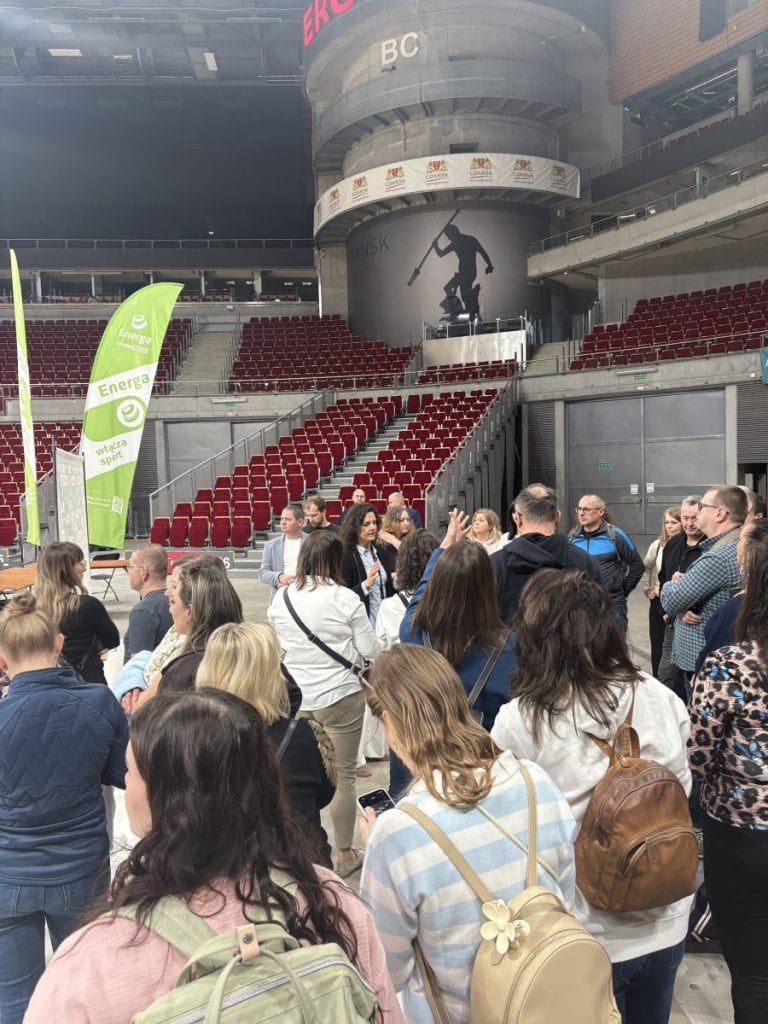
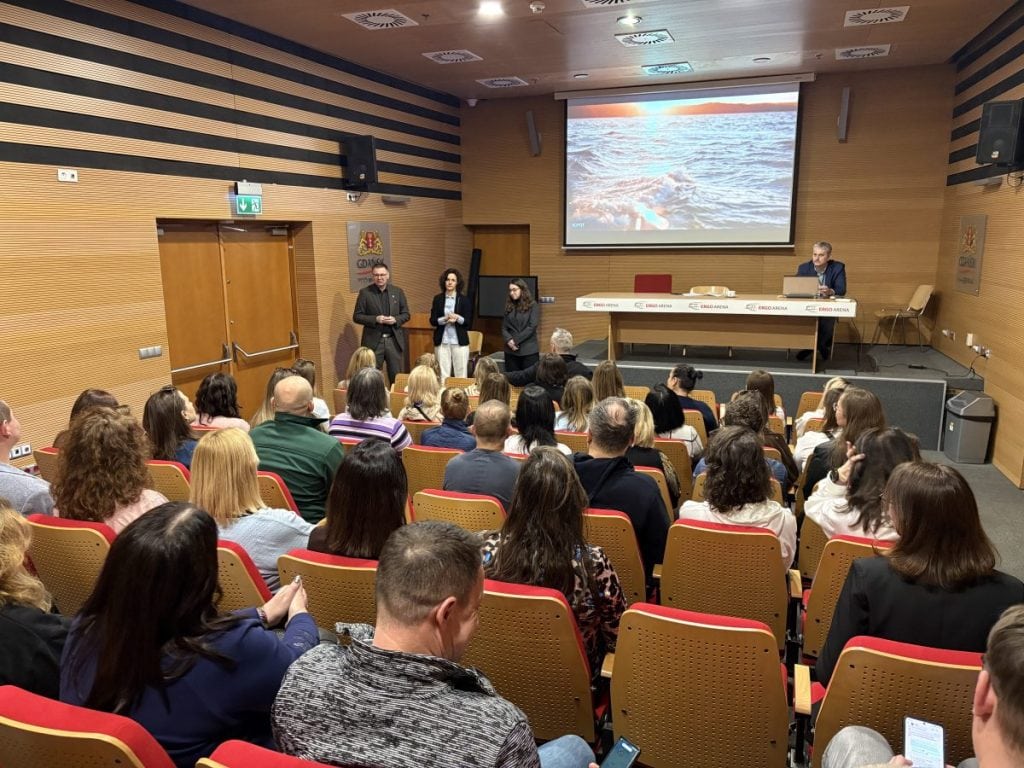
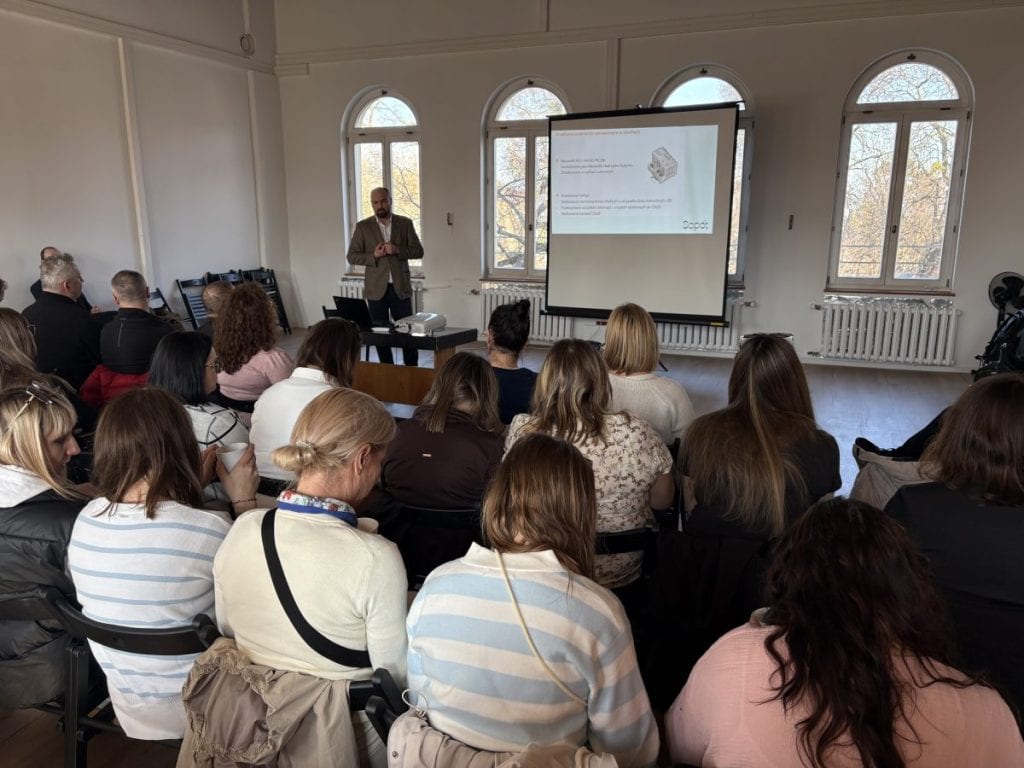
On the third day, participants visited the Ergo Arena, a multifunctional sports and entertainment facility located on the border of Gdańsk and Sopot, which features modern energy management systems. Later in the day, at the Sopot City Hall, participants learned about the city’s initiatives to improve air quality and reduce low-emission sources. Special attention was given to building retrofits and the development of renewable energy sources.
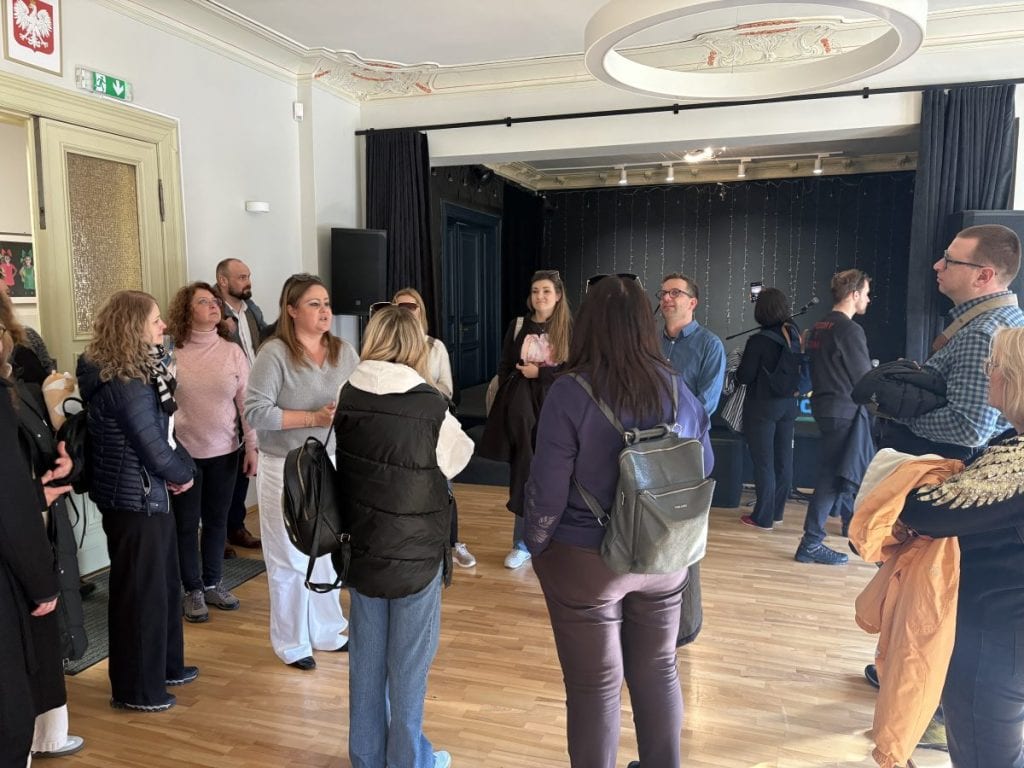
The program was complemented by a tour of a renovated historic building and a discussion on the limitations and opportunities arising from decisions made by the heritage conservation office.
Olsztyn – Waste Management and Energy from Waste
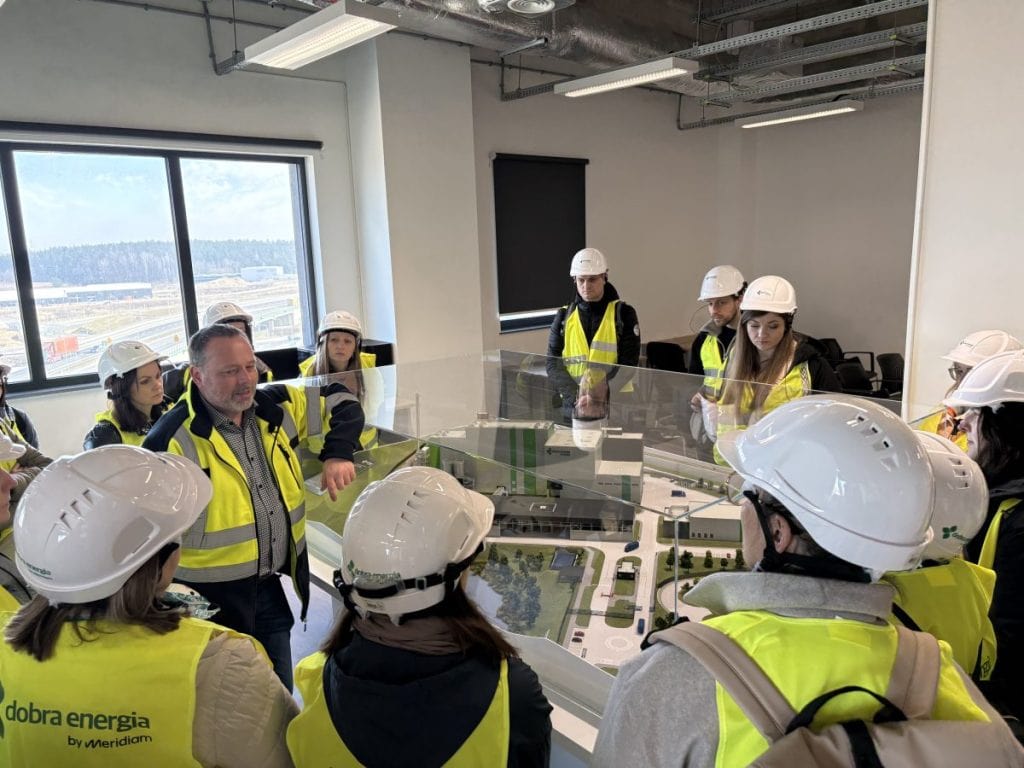
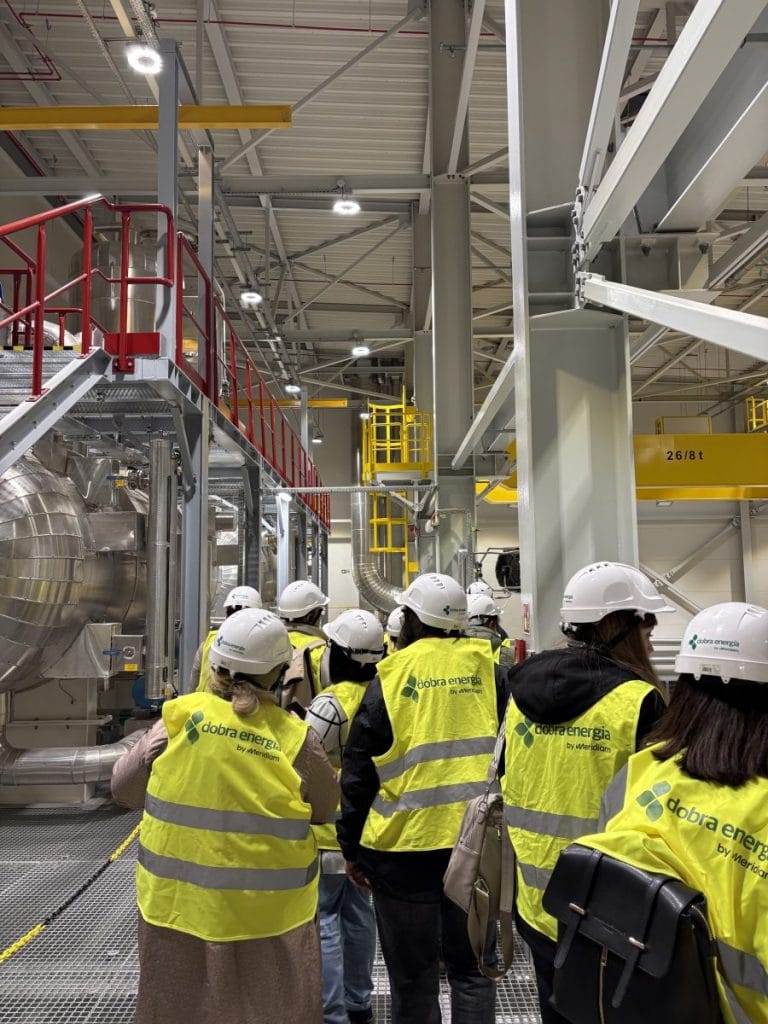
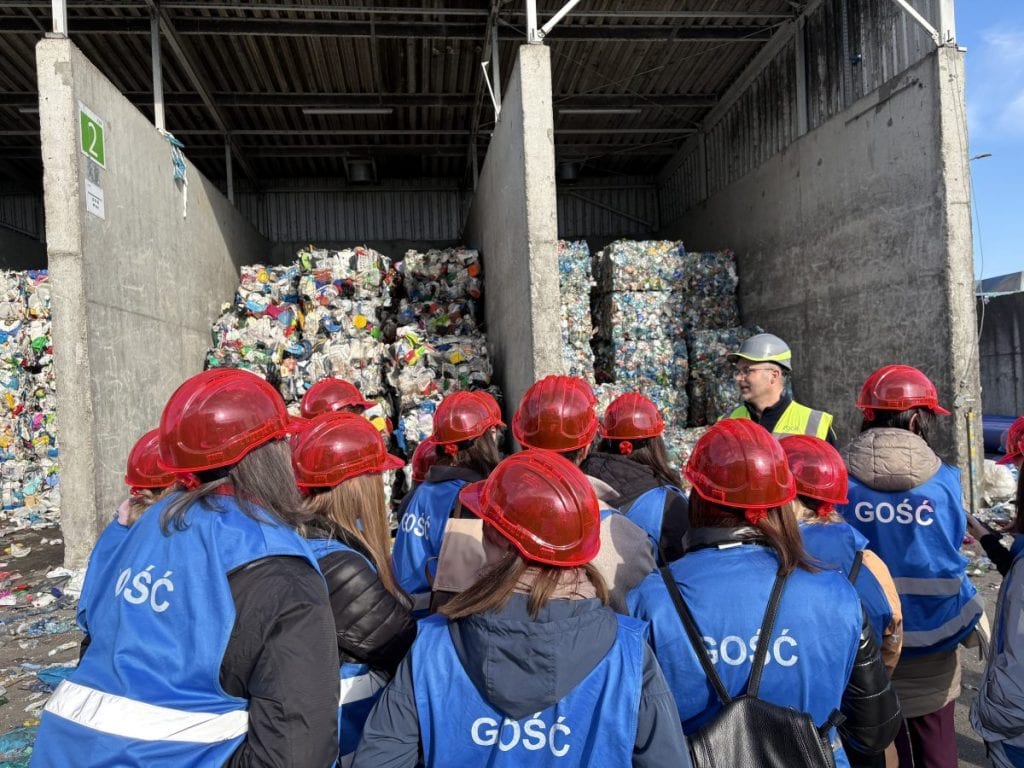
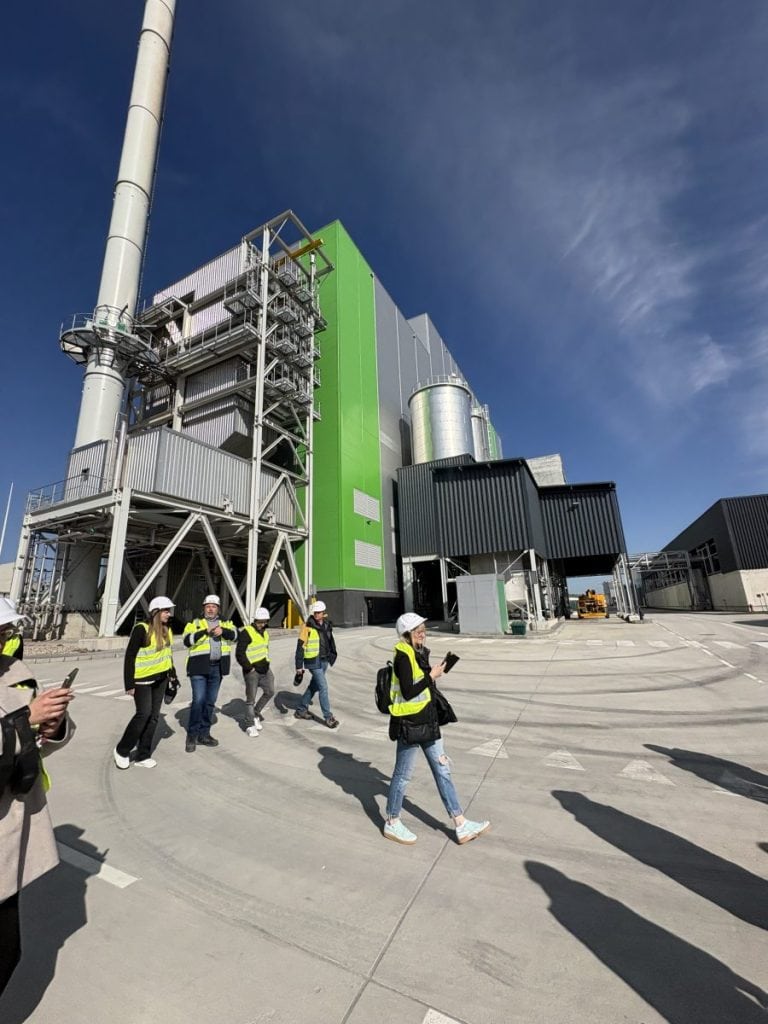
The fourth day focused on modern solutions in waste management. Participants visited the Thermal Waste Treatment Facility in Olsztyn and the Municipal Waste Management Company (Zakład Gospodarki Odpadami Komunalnymi Sp. z o.o.) in Olsztyn. This municipal company serves 37 municipalities across 8 counties in the Warmian-Masurian Voivodeship.
At the facility, participants were shown resource recovery processes and the mechanical-biological treatment line for municipal waste.
Lidzbark Warmiński – Heating Plant of the Future
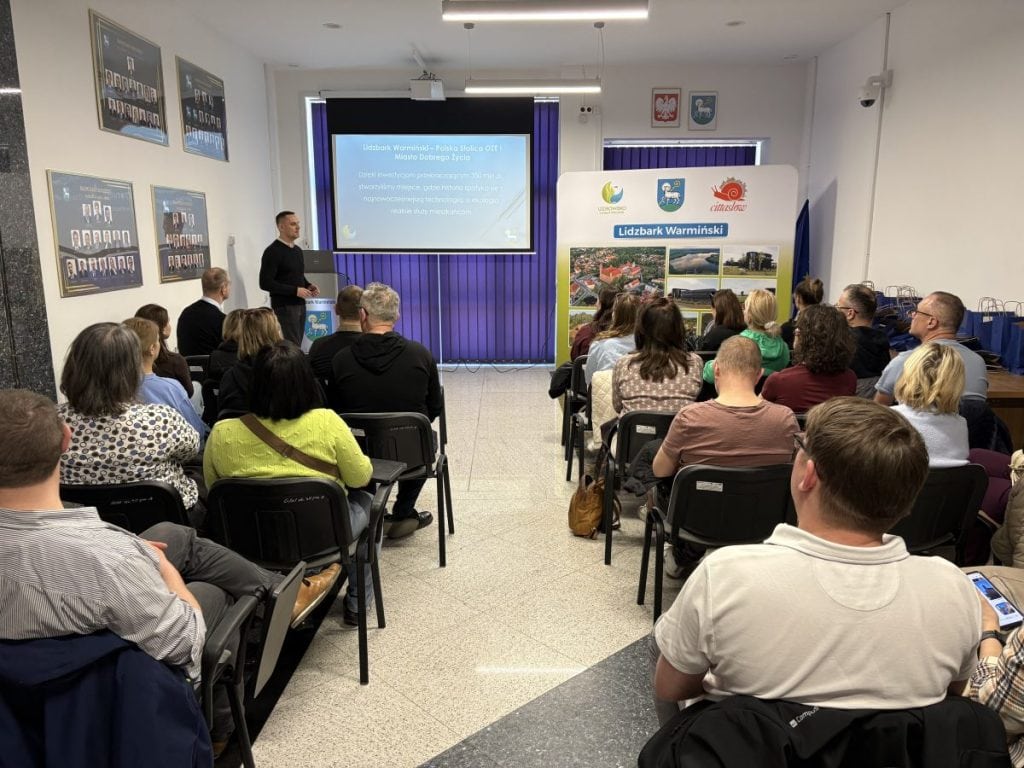
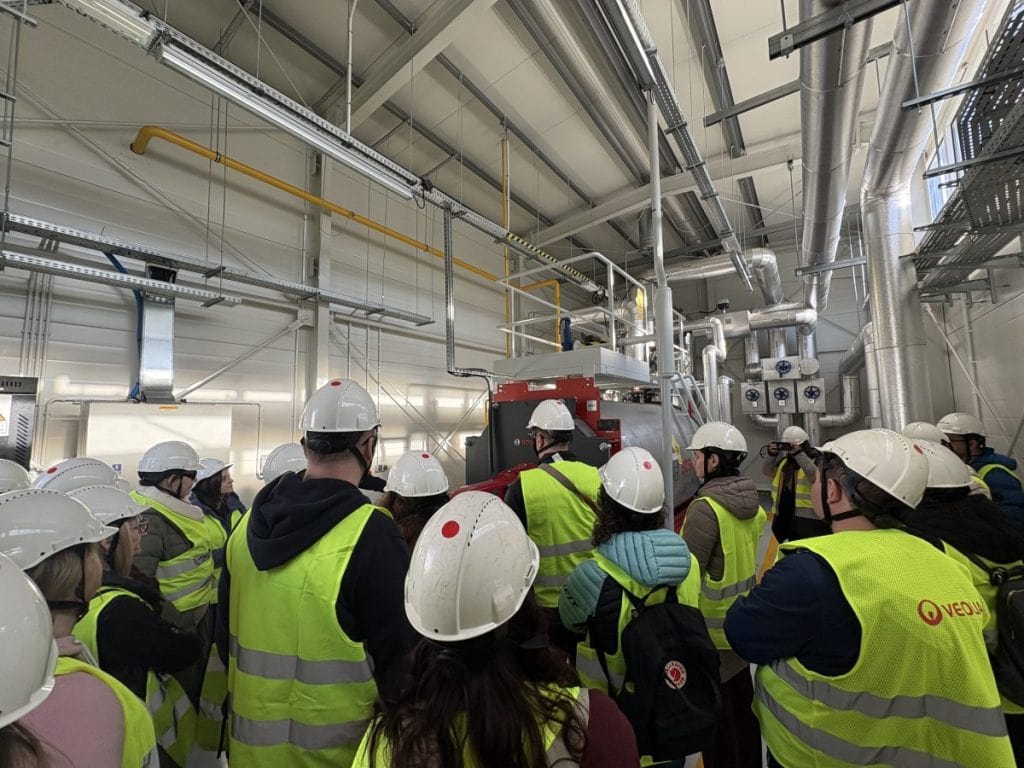
In Lidzbark Warmiński, an innovative heating plant – Ciepłownia Przyszłości operated by Veolia Polska – is in operation. It is the first scalable system in Poland that delivers heat from 100% renewable energy sources (RES) to existing multi-family buildings. The installed system uses high-efficiency heat pumps, photovoltaic panels, and a heat storage system, including the largest underground heat storage tank in Poland.
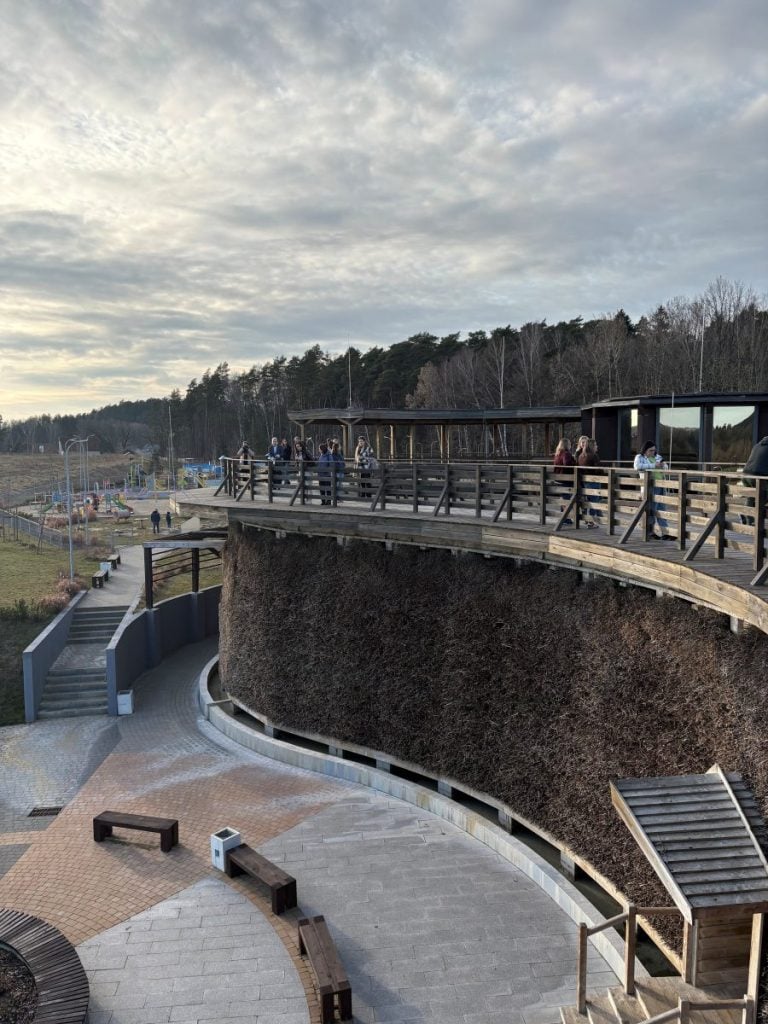
The program was complemented by a visit to the newly opened spa facility in Lidzbark Warmiński, where participants learned about the operation and infrastructure of the facility, including brine graduation towers, a salt grotto, and a natural therapy center.
Collaboration and Energy Clusters
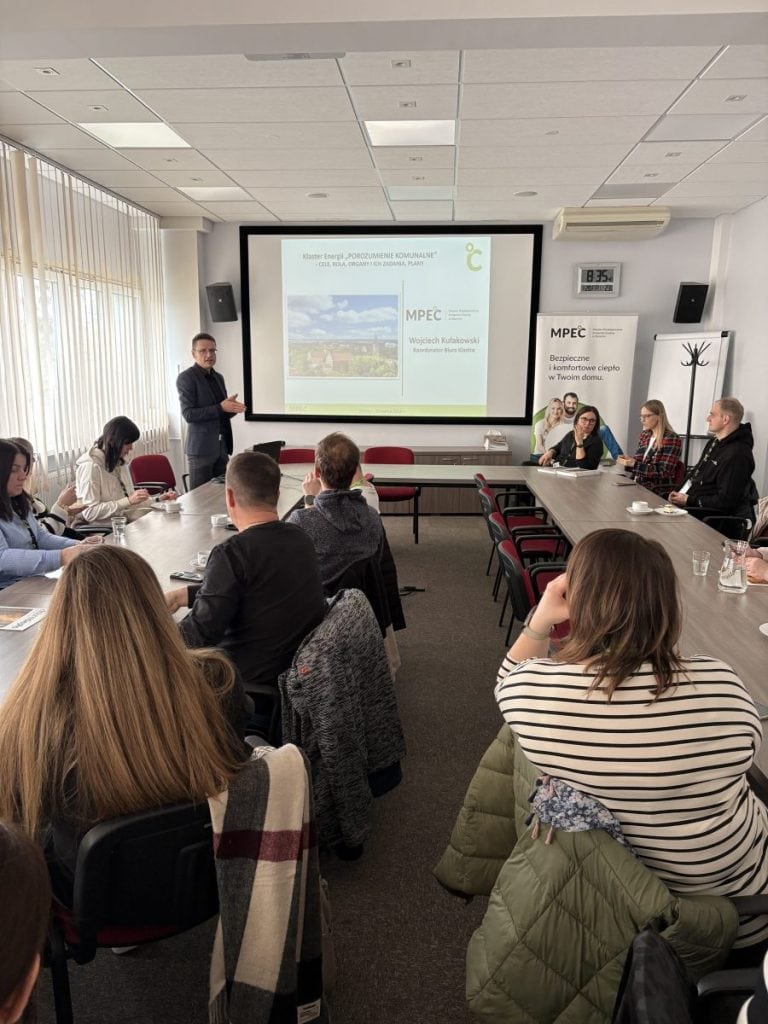
On the final day, a study visit was conducted at the Olsztyn Energy Cluster. The meeting began with a presentation and a short film showcasing the cluster’s activities, its structure, and initiatives in the field of local energy solutions.
A key part of the visit was a tour of the heating plant, where participants could observe the practical aspects of operating the heating system and the technological solutions implemented. The visit served as an example of effective collaboration among 12 entities working together to develop a modern, sustainable local energy system based on renewable energy sources (RES).
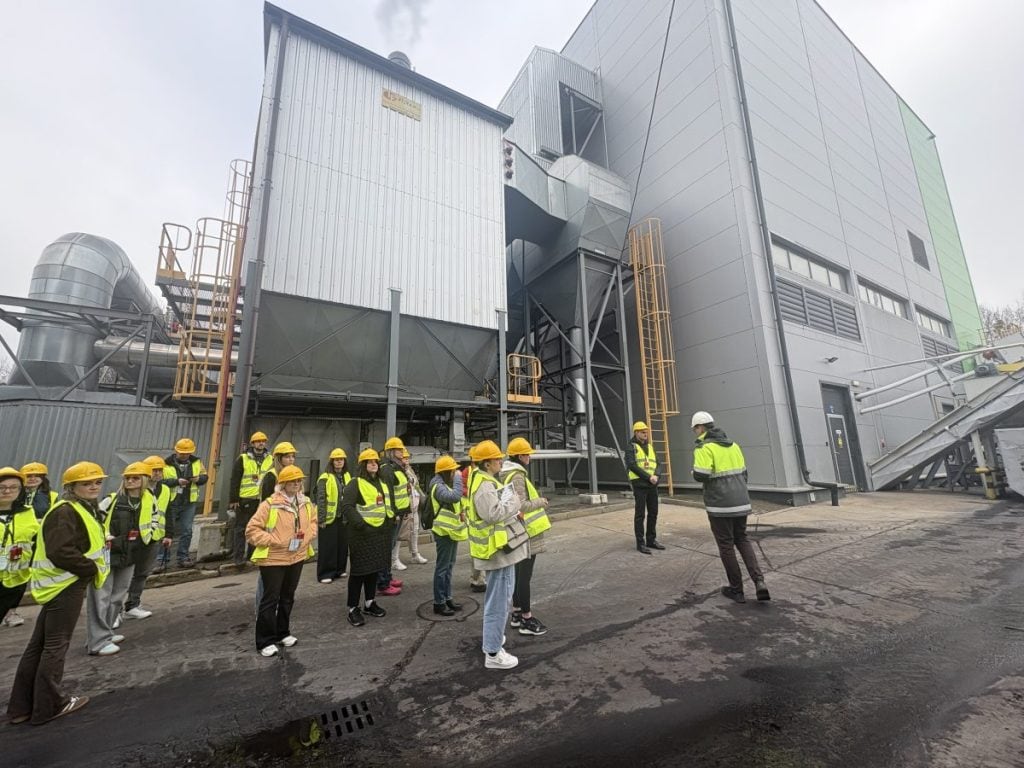
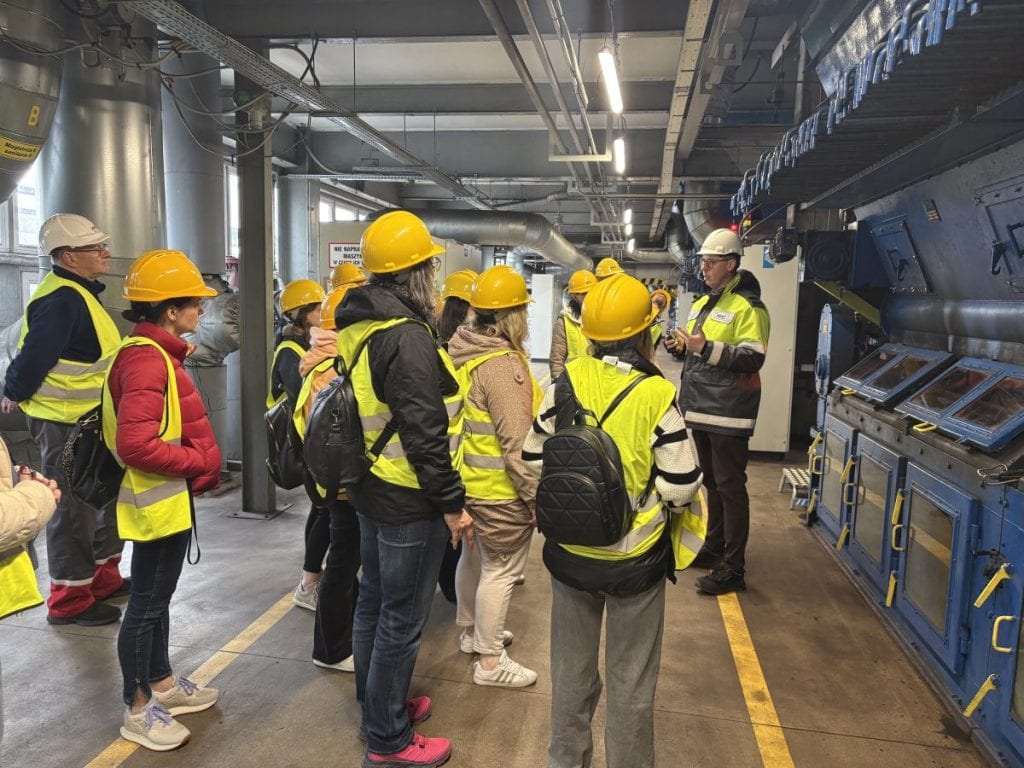
The study visit provided participants with many valuable insights and practical knowledge. The examples presented demonstrated that energy transformation is a real and achievable process that can bring both environmental and economic benefits.
The visit confirmed that the following are of key importance:
- Cross-sector collaboration,
- Investments in renewable energy sources (RES),
- Environmental education,
- Consistent local government policies.
The experiences gained can serve as a solid foundation for implementing similar solutions in municipalities of the Malopolska Region, contributing to the acceleration of the region’s energy transformation.