Malopolska Congress “Climate – CE – Air”
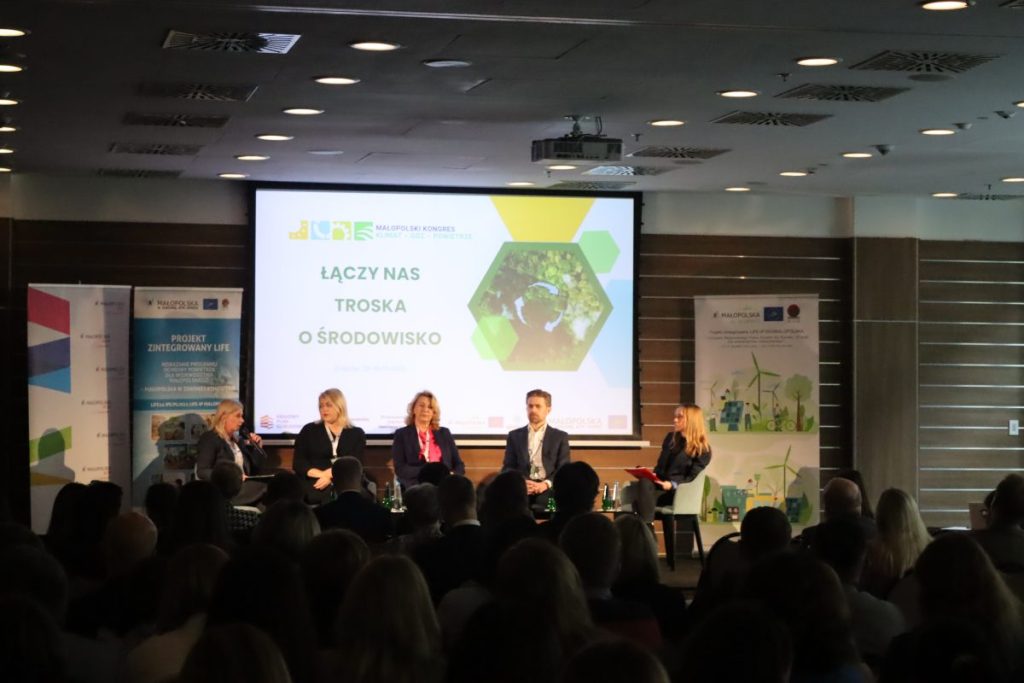
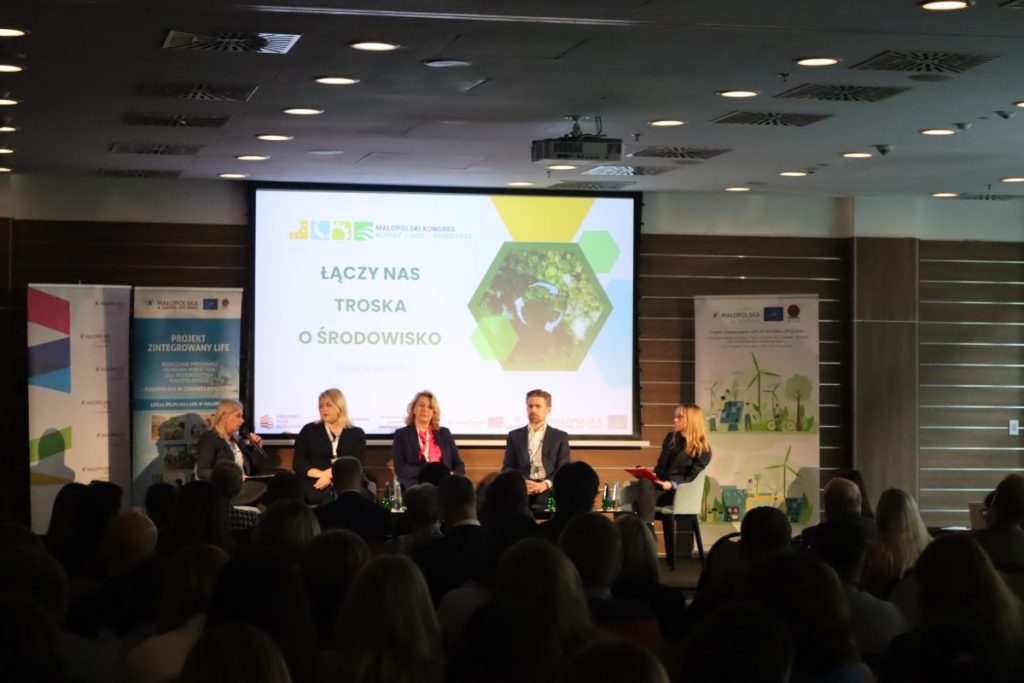
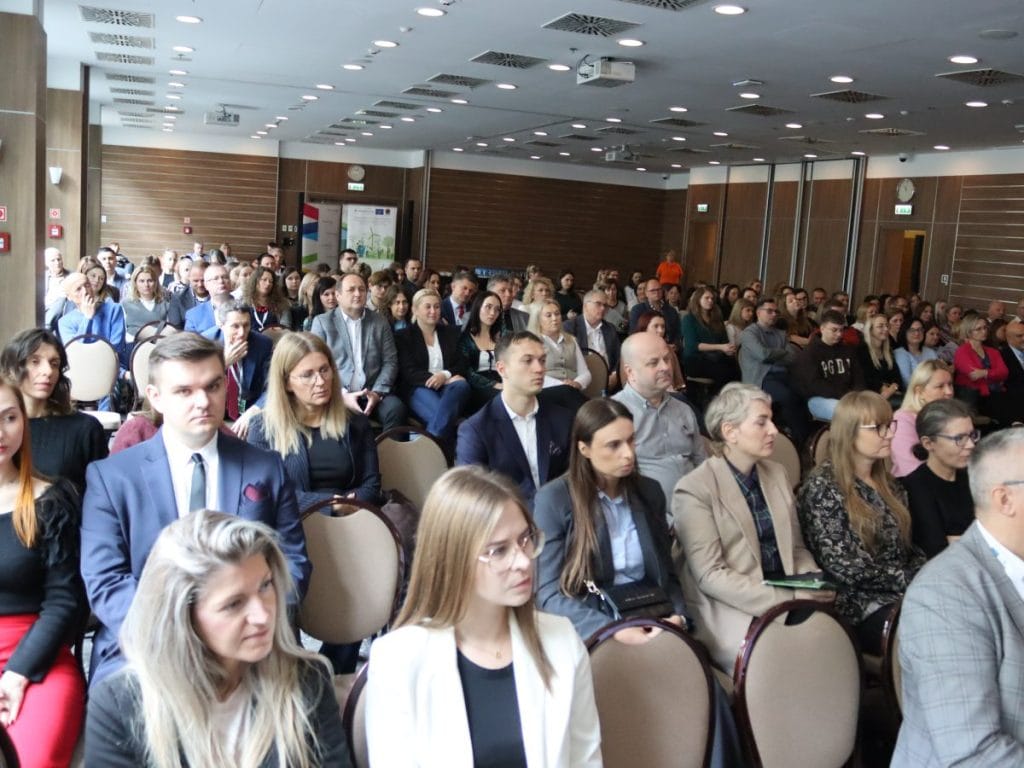
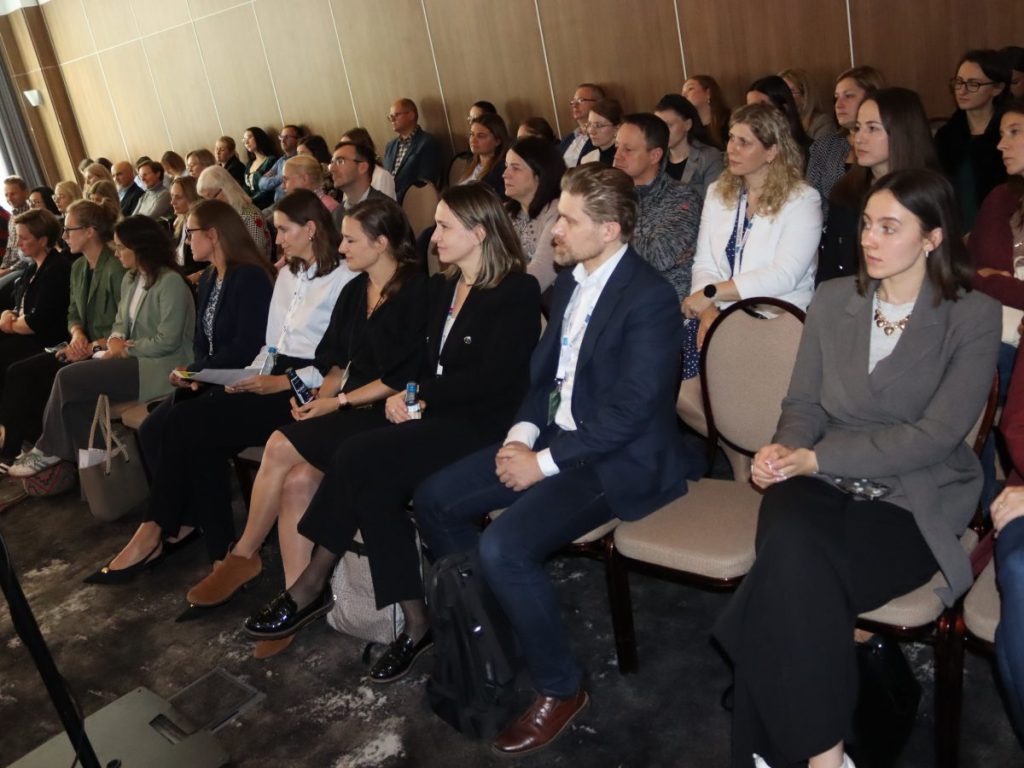
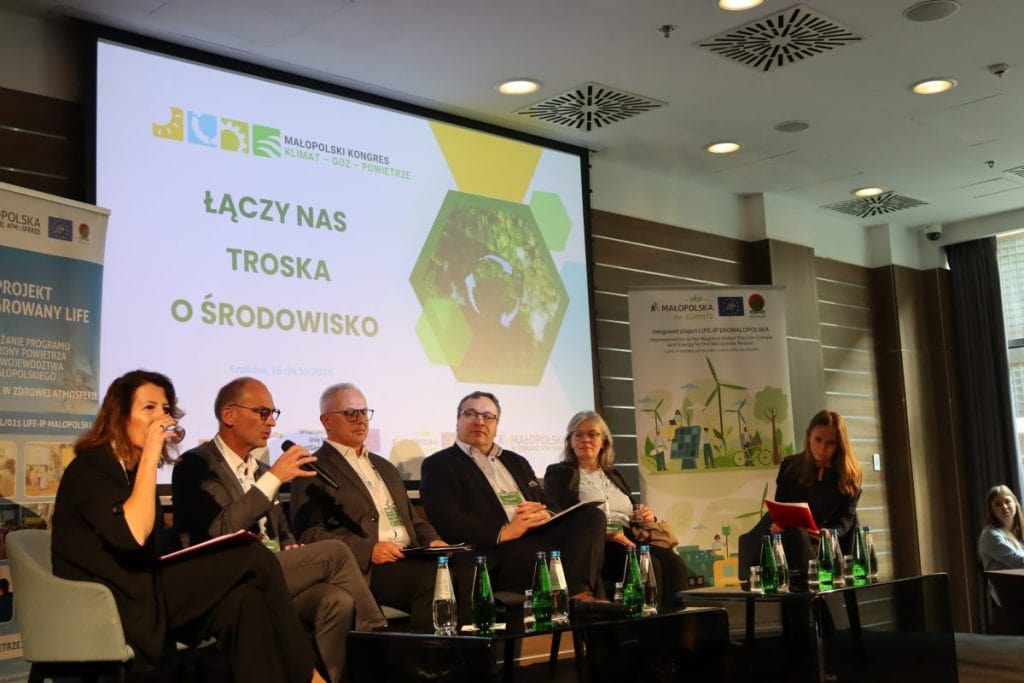
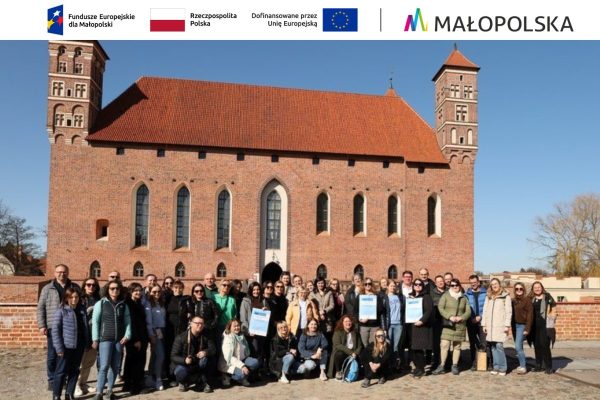
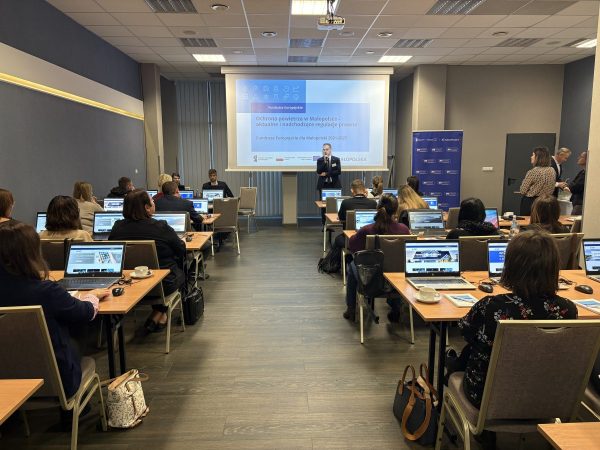
On October 15–16, 2025, in Krakow, the “Climate – CE – Air” conference took place, organized by the Environment Department of the Marshal Office of the Malopolska Region (MO). The event brought together representatives of local governments, academia, non-governmental organizations, and institutions funding pro-environment initiatives. Discussions focused on the future of the Circular Economy (CE), climate challenges, and air quality – one of the key issues in the region.
A Shared Goal – A Cleaner Environment
The conference was opened by Vice-Marshal Ryszard Pagacz, who emphasized the importance of regional environmental initiatives. Subsequent presentations – including those by Kinga Radoń, Director of the Environment Department, and representatives of the Ministry of Climate, National Fund for Environmental Protection and Water Management (NFOŚiGW), and Polish Academy of Sciences – discussed contemporary environmental challenges and the role of Malopolska Region as a leader in improving residents’ quality of life.
Climate change, clean air, and the Circular Economy (CE) are challenges facing Malopolska Region. But they are also areas where we have been intensively working for years, seeking effective solutions. The Malopolska Congress “Climate – CE – Air” is an excellent opportunity for a joint discussion among representatives of local governments, academia, business, and non-governmental organizations. We want to discuss not only strategies, plans, and programs but, above all, concrete solutions – from energy cooperatives and building thermal modernization to green infrastructure – said Ryszard Pagacz, Vice-Marshal of Malopolska Region.
The Congress program included numerous thematic panels and workshops, organized into three main blocks:
- Circular Economy (CE): from CE in Europe to local implementations – best practices, educational activities, and resource management.
- Energy Transition and Climate Neutrality: the role of local governments in the energy transition, municipal self-sufficiency, hydrogen energy, energy communities (clusters, cooperatives, virtual power plants), artificial intelligence and climate challenges.
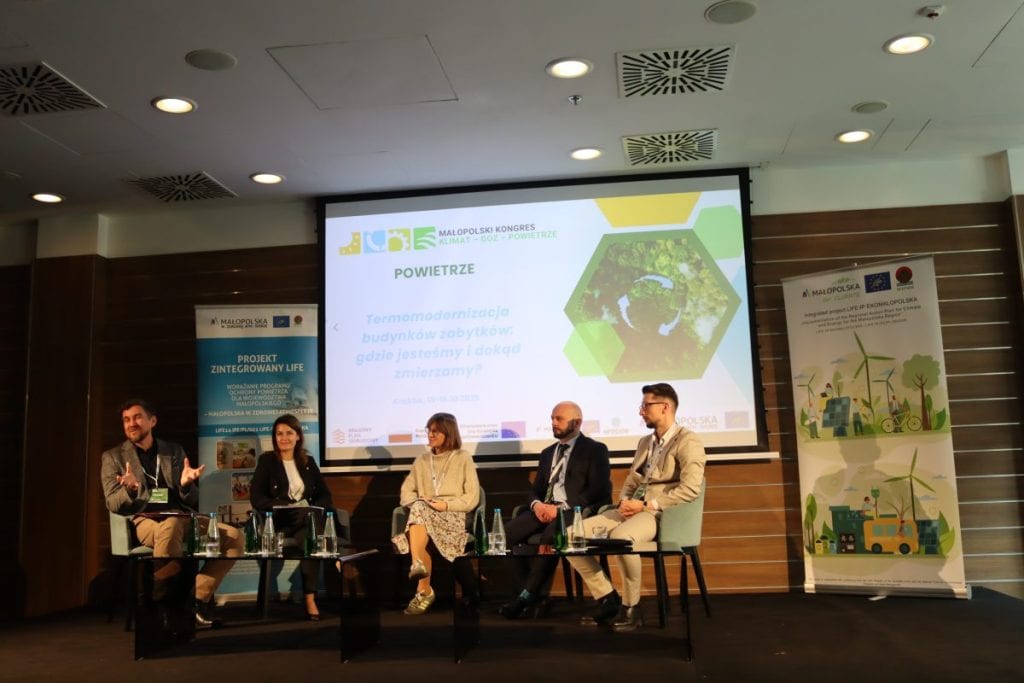
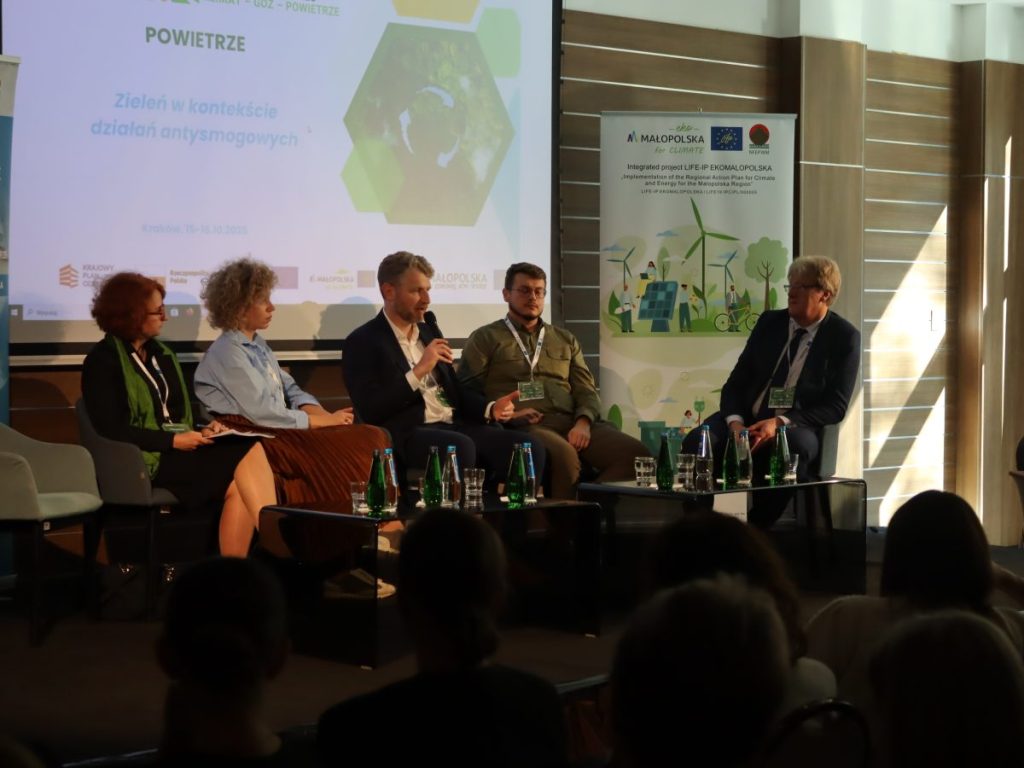
- Air and Environmental Quality: greenery as a tool to combat smog, air quality issues in spa towns, thermal modernization of historic buildings, and effective approaches to renewable energy sources (RES).
“AIR” Panel – Education, Inspections, and Spa Towns
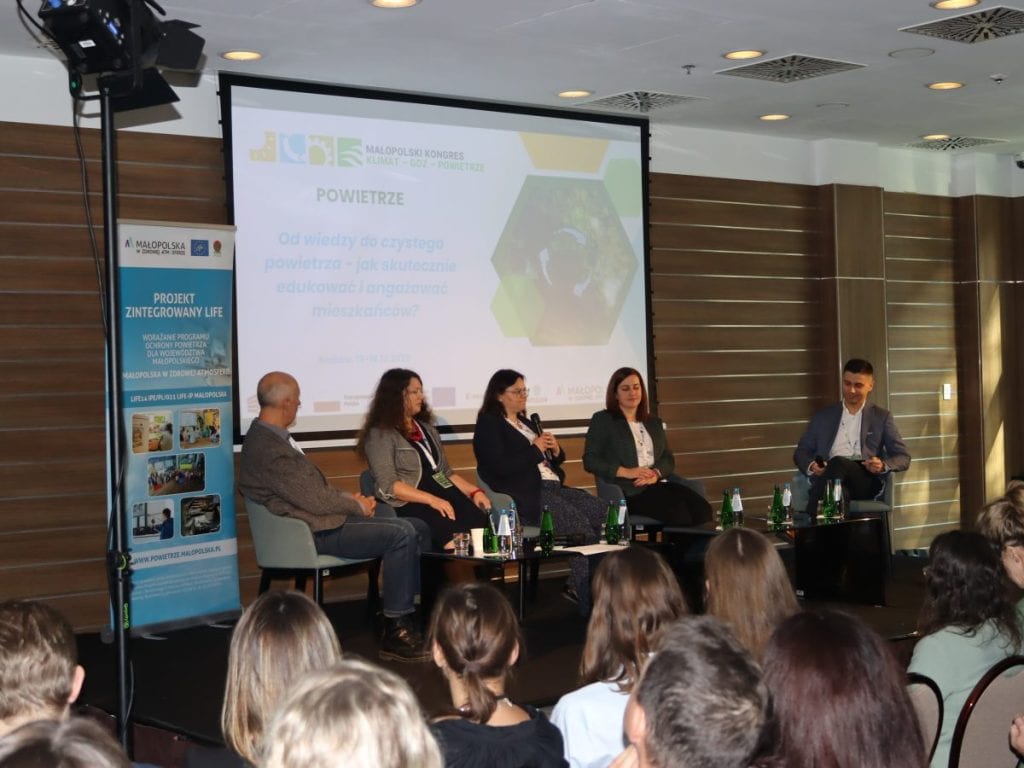
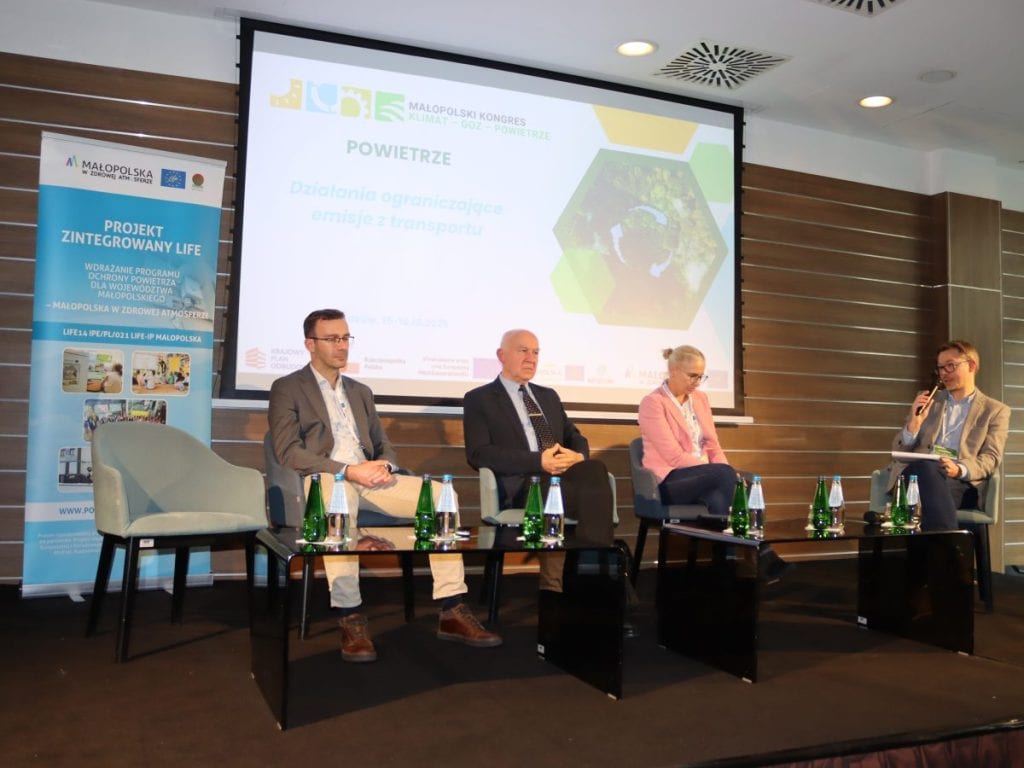
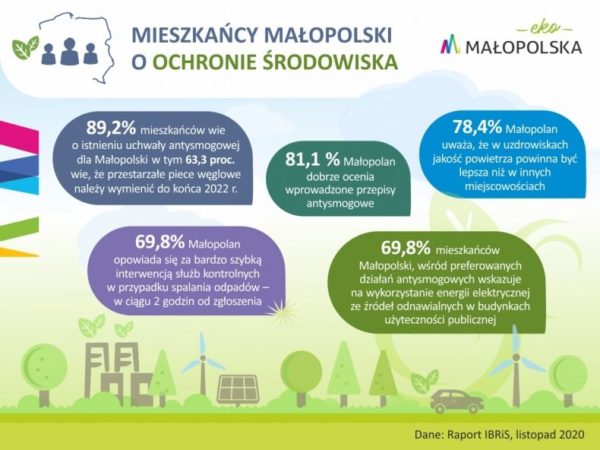
During the “AIR” panel at the “Climate – CE – Air” conference, participants emphasized that the fight against smog requires integrated actions – from education and resident engagement, through reducing transport emissions, to effective boiler inspections. Experts highlighted the importance of long-term environmental education, the development of public transport and cycling infrastructure, and building public trust through enforcement of the Anti-smog resolution.
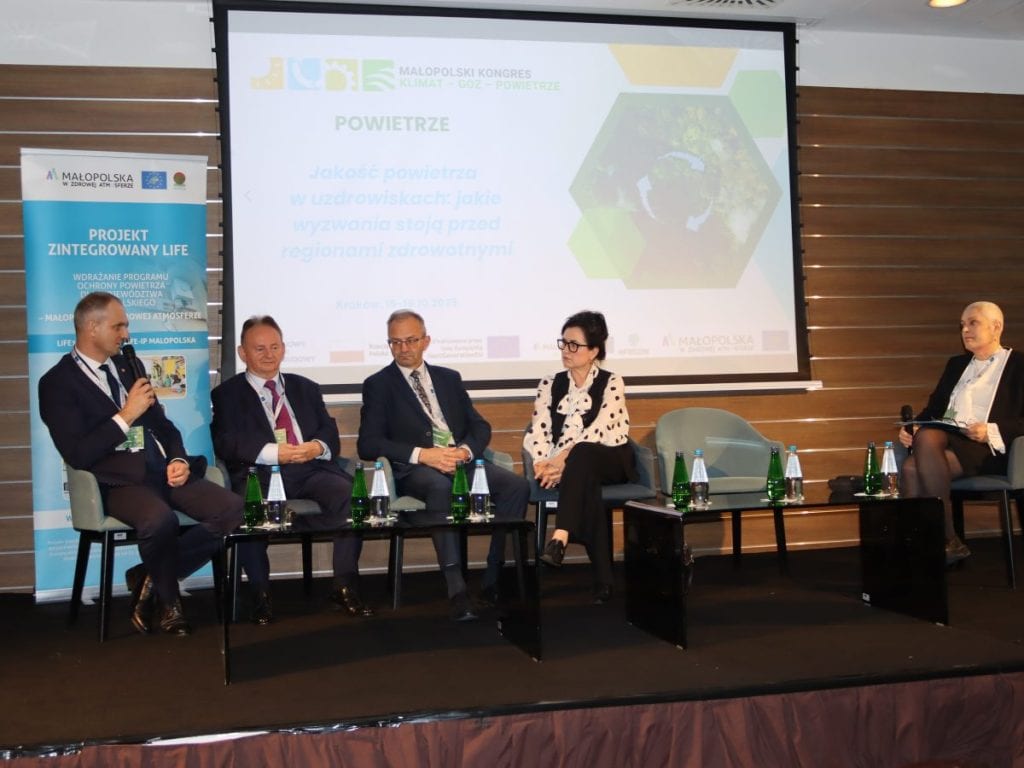
Discussions also focused on air quality in spa towns, where a clean environment is the foundation for both health and the competitiveness of tourist regions. In the second part of the conference, attention was given to practical solutions, such as urban greening, thermal modernization of historic buildings, and the development of renewable energy sources (RES).
Two Days of Inspiration and Best Practices
The “Climate – CE – Air” conference demonstrated that the fight for clean air is a shared responsibility of local governments, businesses, and residents. Discussions and examples from Malopolska Region show that the region not only recognizes climate challenges but also actively implements solutions that can serve as a model for other regions.