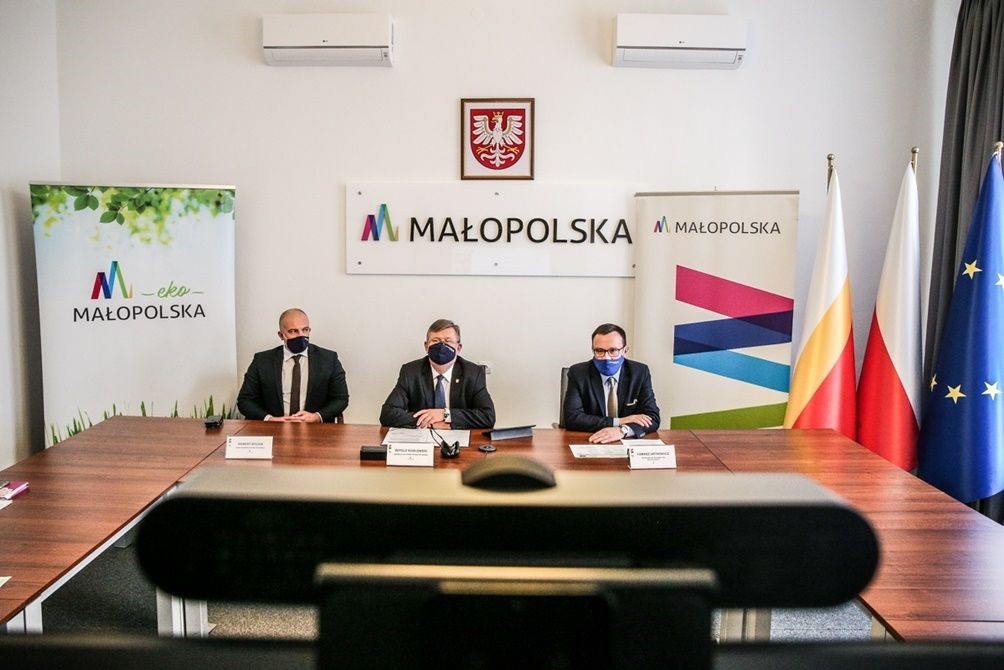
The assumptions of the Energy Strategy of Poland 2040 in Małopolska are already being implemented!

The Council of Ministers adopted a resolution on “Energy Policy of Poland until 2040”. Its main objectives are: fair transition, zero-emission energy system and good air quality, assuming that the transformation of the energy market will foster modernization of the economy and development of new technologies.

I read this document with great pleasure, because I see in it exactly the guidelines that we have adopted for Małopolska and included in the Voivodeship Development Strategy 2030.

comments Tomasz Urynowicz, Deputy Marshal of Małopolska.

Both the innovative Air Protection Program adopted last year and the LIFE IP project ECOMALOPOLSKA Implementation of the Regional Climate and Energy Action Plan implemented since the beginning of this year, as well as intensive efforts to obtain as much funding as possible from the Fair Transformation Fund are one hundred percent in line with the national strategy.

added Deputy Speaker Tomasz Urynowicz.

Clean air and clean energy

“Energy Policy of Poland until 2040” is in line with EU directives on climate change and energy policy (2015 Paris Agreement, European Green Deal policy, Covid-19 pandemic recovery plan). Among its main goals are improving air quality and developing renewable energy sources. According to the government document, the energy transition could create about 300,000 new jobs in industries related to renewables, nuclear power and electromobility.

It is gratifying that actions related to transformation of coal regions will be supported by a comprehensive government programme. In the resolution on the Energy Policy of Poland until 2040 there are provisions with which we as a region identify, as they are consistent with the provisions included in the Małopolska Voivodeship Development Strategy 2030

underlines the Marshal of Małopolska Witold Kozłowski.

Małopolska paves the way

Activities in this direction have already been carried out for several months. In October 2019, the Małopolska local government launched the START project, under which experts of the EU Platform of Carbon Regions in Transition helped to develop pilot projects mitigating the effects of socio-economic energy transition to be implemented in the western part of the region. Also the LIFE IP EKOMAŁOPOLSKA will develop pilot projects to be implemented with funds from the Equitable Transition Mechanism. Other project activities include the implementation of the Regional Climate and Energy Action Plan, creation of a map of renewable energy sources (RES) potential, preparation of a regional competence center to support counties and communes, as well as pilots on energy clusters, energy cooperatives, agricultural biogas plants and the use of waste biomass. A network of advisors on climate and environment will be established in the districts of Małopolska.

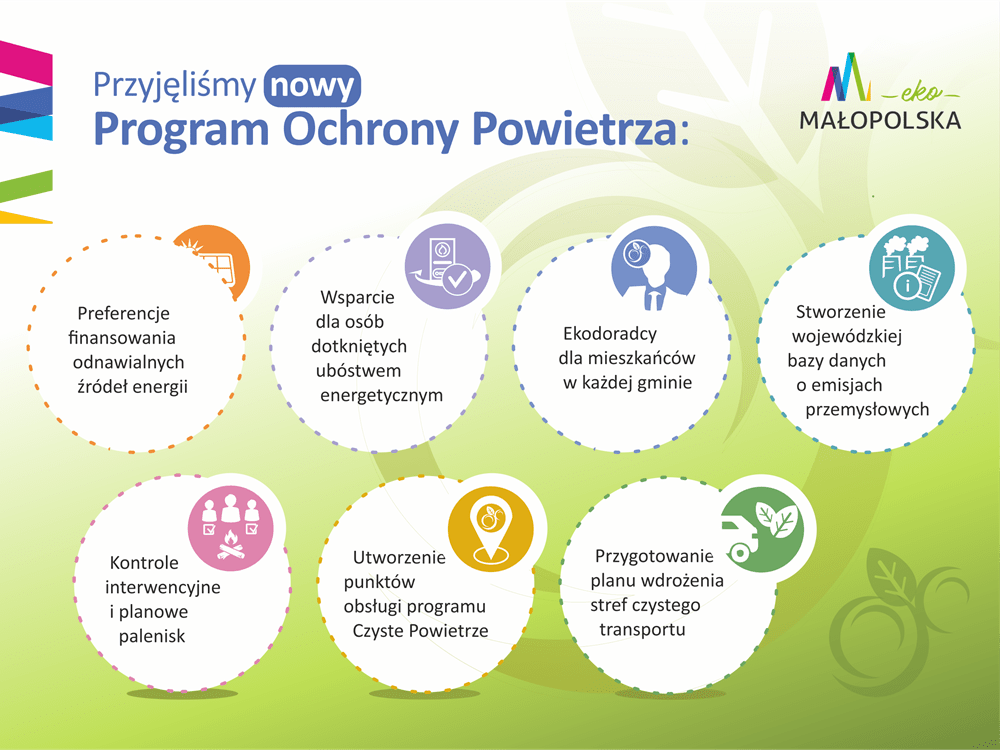
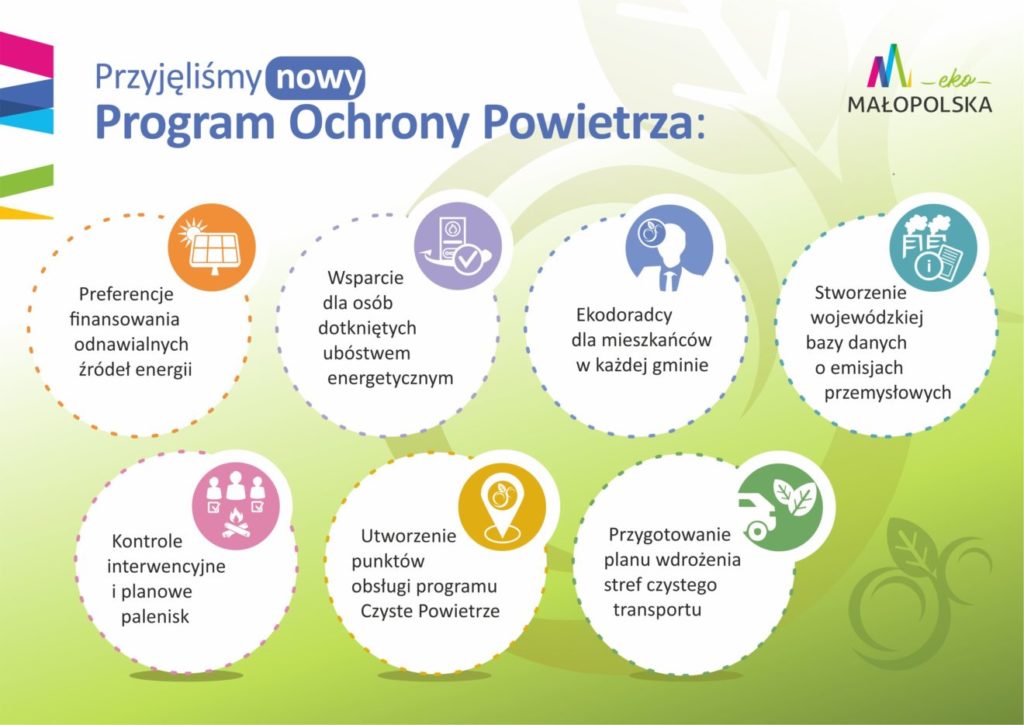
The Air Protection Program adopted in October will help accelerate anti-smog actions in all communes by organizing the tasks of self-governments. It will also introduce a number of regulations beneficial to residents – from the creation in each Małopolska municipality of an eco-advisor position and a service point for the Clean Air grant program, to support for those suffering from so-called energy poverty. The recommendations described therein – such as the ban on public funding of coal-fired furnaces effective from the beginning of this year, the ban on the use of solid fuels in Kraków, and the local anti-smog resolutions being prepared with an aim to eliminate the use of coal by 2030 – are firmly in line with the government’s energy policy objectives. According to the government’s strategy, the heating needs of all households in 2040 will be covered by system heat and zero- or low-emission individual sources.

According to the guidelines of the Polish strategy, the share of RES in the annual energy consumption by 2030 will be at least 23 percent – the Małopolska POP assumes preferences for financing renewable energy sources and obliges municipalities, counties and the province to ensure that electricity in public buildings comes from renewable sources.

Photo gallery

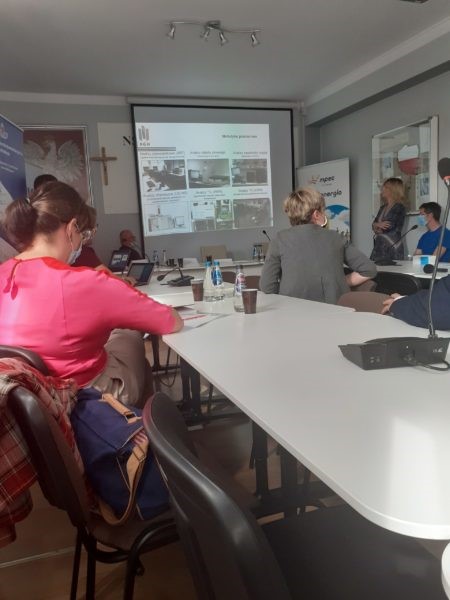
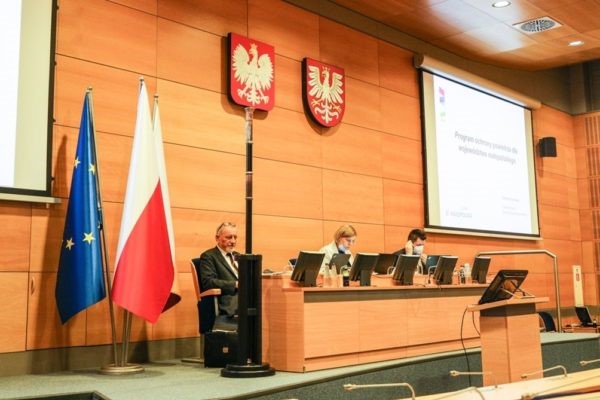
Skawina, Tarnów, Oświęcim and Rabka-Zdrój, as well as Krzeszowice are the next Małopolska communes, which intend to introduce local anti-smog resolutions. These are restrictions on the use of solid fuels, especially coal. Representatives of self-governments of the mentioned communes discussed the proposed provisions on Monday, 1 February this year during a remote meeting attended also by Tomasz Urynowicz, Deputy Marshal of Małopolska, and Piotr Łyczko, Deputy Director of the Department of Environment, Office of the Marshal.

I am very pleased that more local governments in the Małopolska region not only respect the regional anti-smog resolution, but want to go one step further. The example of Krakow, which introduced a ban on solid fuels in mid-2019, shows that such action has a very real impact on air quality. This was confirmed by research by experts at the AGH University of Science and Technology, published a few days ago

– says Tomasz Urynowicz, Deputy Marshal of Małopolska.

Local anti-smog resolutions – guidelines

One of the tasks of the Małopolska Region in the framework of the Air Quality Plan is to develop uniform rules for the introduction of local anti-smog resolutions, consistent with regulations already in force. Preliminary guidelines are already prepared. The most important proposals include:

  • Compliance with deadlines resulting from the anti-smog resolution:

– obligation to replace out-of-class cookers with coal and wood by the end of 2022,

– obligation to replace 3rd and 4th class cookers with coal and wood by the end of 2026.

  • Ban on the installation of new coal-fired boilers and heaters – from 1 January 2022.
  • decommissioning of all operational coal-fired equipment – by 31 December 2029.
  • Carry out an analysis of the scale of fuel poverty by municipalities by 30 June 2022. (in accordance with the Air Quality Plan)
  • Creation of local subsidy programs for furnace replacement and shielding (subsidies for higher heating costs) for the poorest residents.

– Councillors of the Skawina Municipality already passed a resolution of intent in March 2019 to develop local anti-smog regulations. The fact that there was not a single vote against it at that time is an indication of how important this problem is for us, says Tomasz Ożóg, vice mayor of Skawina. – The fact that the provincial government develops uniform rules for local anti-smog resolutions is therefore a great convenience for us: we can be sure, for example, that the commitments we make will be in line with provincial, national and EU regulations,” he adds.

Deputy Marshal Tomasz Urynowicz added that local anti-smog resolutions should be based on the government’s “Clean Air” subsidy program. The effectiveness in obtaining subsidies from this program can be especially seen in those communes in which there are eco-managers employed under the LIFE project “Małopolska in a healthy atmosphere”. The Air Quality Plan, also obliges all local authorities to set up an advisory point for the Clean Air Program from 1 January 2021. Such an advisory point already operates in many communes.

Municipalities that decide to introduce local anti-smog resolutions can expect preferences in funding under the Regional Operational Program for 2021-2027.

Photo gallery:

From May 2021, people wishing to receive funding from the Clean Air program will have two methods of generating a payment application. In addition to the currently active Beneficiary Portal, an application generator will be launched on the website of the National Fund for Environmental Protection and Water Management

The government program “Clean Air” aims to eliminate old heating boilers and encourage comprehensive thermal modernization of houses. The maximum amount of funding is 37,000. PLN.

In 2021, the Clean Air program gained a number of facilitations, such as a subsidy calculator and extension of the project implementation time. I would also like to remind you that Małopolska has over 60 eco-managers who will help you complete the necessary documents, send the application and select a new heating device. It is worth to hurry up, because according to the anti-smog resolution, by the end of 2022 all solid fuel heaters not meeting the requirements of at least the third class of the so-called Ecodesign must be replaced 

– says Deputy Marshal Tomasz Urynowicz.

For the inhabitants of Małopolska, the first step to obtain funding is to register on the Beneficiary Portal of the Provincial Fund for Environmental Protection and Water Management in Krakow (WFOŚiGW), from which the application should be downloaded. It is an active form of a PDF, allowing contains a number of suggestions for filling.

The completed document should be printed, signed and sent or submitted in person to the Provincial Fund in Krakow, Kanonicza 12, or to the commune office which has concluded an agreement on the principles of joint implementation of the “Clean Air” priority program with the Provincial Fund for Environmental Protection and Water Management in Krakow.

Governmental portal Service of the Republic of Poland

A more modern way of submitting an application is by using the government portal Service of the Republic of Poland, however, in order to use it, you need to set up a Trusted Profile and use a trusted signature or a qualified electronic signature confirming the identity of the applicant.

From 15 May 2021 the Application Generator on the website of the National Fund for Environmental Protection and Water Management will also be operational.

According to the Air Quality Plan for Małopolska adopted in 2020, from the beginning of 2021 there are no subsidies for solid fuel boilers fired with coal or eco-pea coal in our region. It is worth checking the list of devices for which subsidies can be obtained and useful information on the website Małopolska in a healthy atmosphere.

The Air Quality Plan also obliges all local authorities to set up a service point for the Clean Air Program from 1 January 2021. In many communes such an advisory point is already in operation.

On 18 December 2020 the Supervisory Board of NFOŚiGW approved the motion of the Board of NFOŚiGW to grant a subsidy of PLN 12 028 947 for the Integrated Project LIFE IP MALOPOLSKA.

The LIFE Integrated Project entitled “Implementation of the Air Protection Programme for the Małopolska Voivodeship – Małopolska in a healthy atmosphere”, implemented by the Małopolska Voivodeship since 2015, involves a total of 69 partners. Its aim is to accelerate the implementation of activities aimed at improving air quality, which are planned under the Air Protection Programme for the Małopolska Region. The project will be implemented until the end of 2023.

The project LIFE – Malopolska in a healthy atmosphere assumes:

  • A network of Eco-managers in the municipalities of Małopolska who will support the implementation of the Air Protection Program, obtain external funding for actions to reduce pollutant emissions, and mobilize residents to participate in these actions,
  • Advising Małopolska residents on the most effective ways to reduce emissions and on financing sources, including preventing energy poverty through energy cost-saving measures.
  • Competence Center at the regional level including training and knowledge base for all local governments (182 municipalities) to assist municipalities in implementing their activities,
  • Strengthening of advisory and administrative services for Krakow inhabitants concerning liquidation of old furnaces and boilers fired by solid fuels, including providing assistance to persons interested in applying for financing of energy-saving projects,
  • Information and education campaigns at the regional and local levels,
  • A tool for high-resolution modelling of pollution distribution in Krakow
  • Interregional database of emission sources for Malopolska, the Czech Republic and Slovakia with air quality modelling.

The Marshal’s Office of the Małopolska Region has summed up the activities of all local authorities in the implementation of the Air Quality Plan for the Małopolska Region in 2019. All the actions taken, such as: liquidation of low-efficiency heating devices, expansion and modernisation of the heating network and many others will influence the reduction of air pollution in our province.

Elimination of coal-fired furnaces and boilers

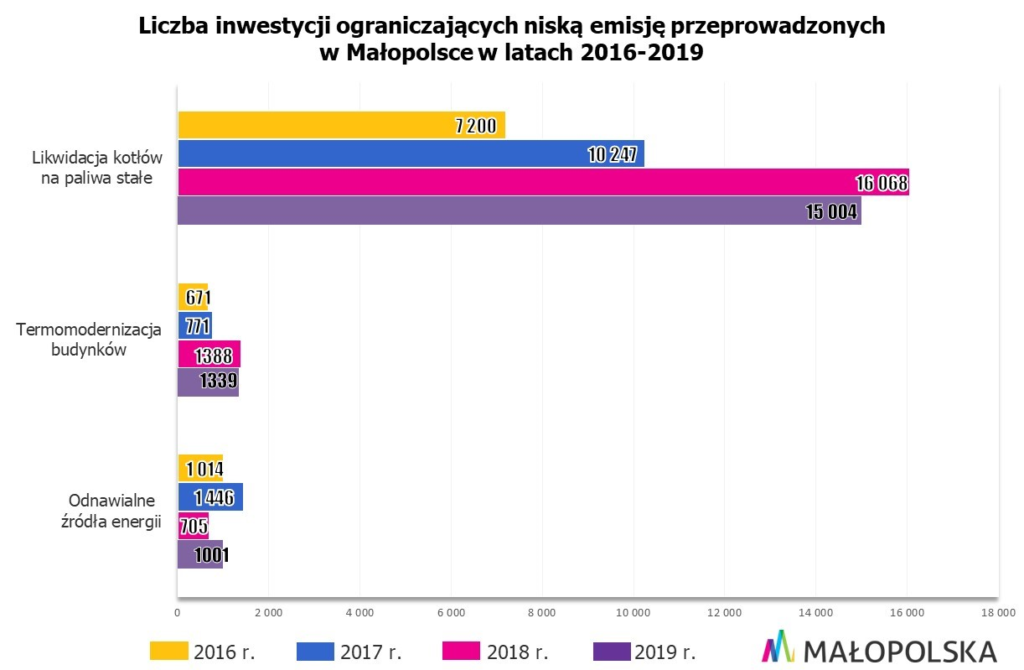
In 2019, a total of 15004 solid fuel boilers were liquidated in the Malopolska Region. The high number of boiler replacements and liquidations from previous years was also maintained in 2019 – a 6% decrease compared to 2018. However, 46% more boilers were replaced compared to 2017 and 108% more boilers were replaced compared to 2016. The continuation of the upward trend in boiler replacements and liquidations is cause for optimism for the next years.

The largest share of replacements of low-efficiency solid fuel boilers was for gas heating (65.6%). As many as 9.3 thousand new gas customers were connected to 331.8 km of new gas networks. On the other hand, 32.2 km of district heating networks put into service in 2019 began to be used by 439 new customers.

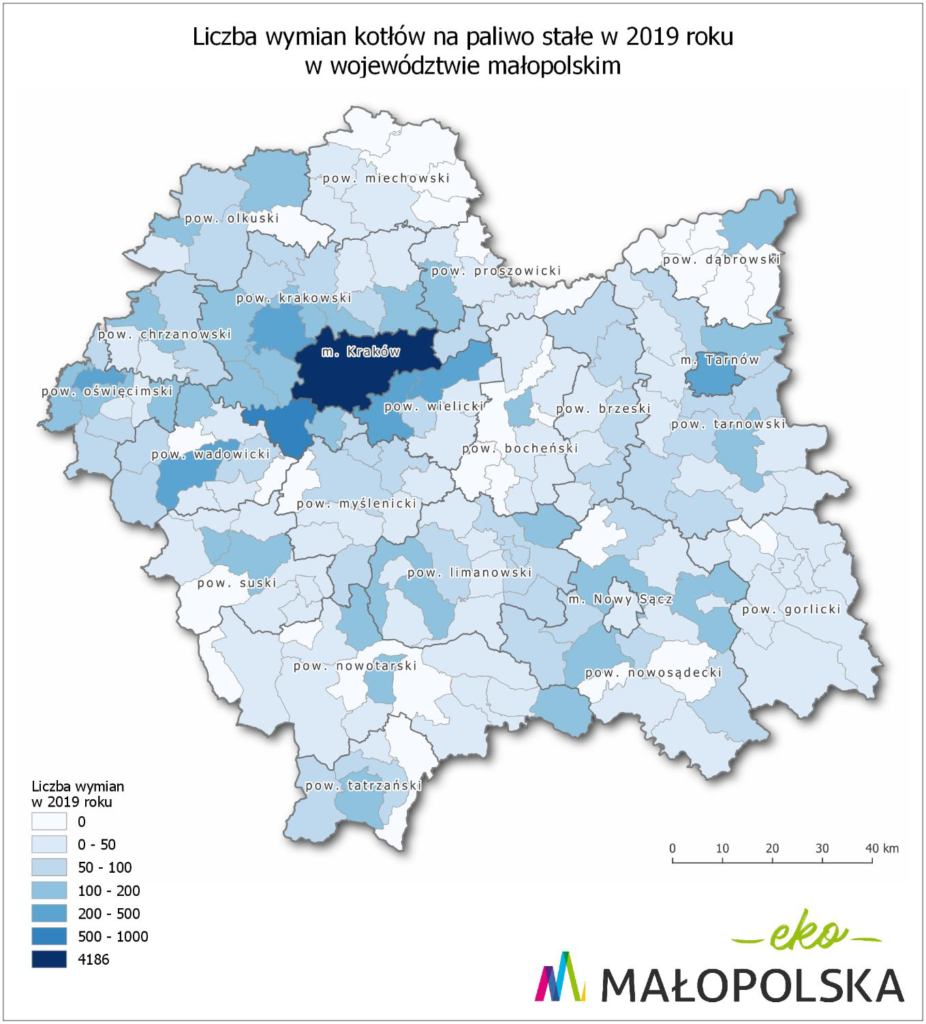
Activities related to the elimination and replacement of furnaces were undertaken in 154 municipalities in the province, which is a few percent less than in 2018. However, comparing to 2017 and 2016, 77% and 220% more municipalities joined the fight for better air. In 2019, most boilers were eliminated in Kraków (4186), Skawina (518), Tarnów (333), Wieliczka (302).

Actions taken by local authorities to reduce low emissions have reduced PM10 emissions by 532.03 Mg, and PM2.5 emissions by 491.67 Mg. Benzo(a)pyrene emissions were reduced by 235.67 kg.

Gmina Liczba zlikwidowanych pieców i kotłówRedukcja PM10 (Mg)Redukcja PM2.5 (Mg)Redukcja BaP (kg)
Kraków418691.2369.3653.06
Skawina51921.0520.618.85
Tarnów33310.259.023.98
Wieliczka30212.9912.154.86
Oświęcim (miasto)2413.793.212.25
Zabierzów24012.4811.733.8
Niepołomice2199.038.894.97
Wadowice2178.087.833.65
Zakopane1978.077.762.16
Zielonki1928.027.654.25
Chrzanów1887.807.492.10
Nowy Targ (miasto)1856.386.022.97
Tabela: Gminy z największą liczbą zlikwidowanych pieców i kotłów wraz z redukcją emisji w roku 2019
Mapa: Liczba wymian kotłów w województwie małopolskim w 2019 roku

Inspections and educational measures

106 municipalities have taken measures to control waste incineration by residents. In 2019, a total of 17.2 thousand controls were carried out, during which 1.3 thousand cases of non-compliance were detected (7.5% of all controls). 75 cases were referred to court and fines were issued for a total amount of PLN 109 thousand.

In addition, 146 municipalities have taken measures to comply with the requirements of the anti-smog resolution. A total of 21,000 inspections were carried out, during which 696 violations of the resolution were detected.

Nazwa gminy Liczba kontroli przestrzegania uchwały antysmogowej
Kraków7419
Skawina777
Mogilany466
Nowy Targ (miasto)396
Niepołomice377
Oświęcim (miasto)334
Kocmyrzów- Luborzyca327
Rabka- Zdrój326
Wieliczka316
Zielonki293
Gminy o największej liczbie kontroli w zakresie przestrzegania uchwały antysmogowej w 2019 roku
Nazwa gminyLiczba kontroli spalania odpadów
Kraków6578
Skawina823
Nowy Sącz818
Wieliczka475
Mogilany469
Bochnia (miasto)397
Niepołomice377
Oświęcim (miasto)334
Kocmyrzów – Luborzyca327
Rabka-Zdrój326
Gminy o największej liczbie kontroli w zakresie przestrzegania zakazu spalania odpadów lub pozostałości roślinnych

In most municipalities, controls on compliance with the anti-smog resolution were conducted together with controls on the burning of waste or plant residues.

In 2019, the municipalities and districts of the Małopolska Region organised a total of more than 1400 actions or educational campaigns on air protection, which helped to reach 983,000 people

In terms of implementation of the Short-Term Action Plan, 119 municipalities have prepared and are updating a database of contacts to schools and health centres to transmit notifications from district crisis management centres about the occurrence of high levels of air pollution. In the province, 150 municipalities and 15 counties declared that they post notices of high air pollution on the website.

Reduction of pollutant emissions from transport

Municipalities in Małopolska have also taken measures to reduce transport emissions. The most important of these are:

  • Expansion of city centre limited traffic zones to  and parking zones to 40.1 km2, as well as investments in Park and Ride car parks
  • In total 148 low emission public transport buses were purchased in 10 municipalities
  • A total of 176 km of new cycling routes have been put into service (21 km belong to the VeloMalopolska). 23 communes have been actively involved in the promotion of cycling as a means of transport
  • 114 inspections were carried out on vehicles leaving the construction site, and 8 municipalities declare regular street cleaning
  • Poviat starosties carried out 454 inspections of vehicle diagnostic stations, where almost 1400 cases of irregularities in emission tests or vehicle technical condition were detected

Costs of air protection measures

The total cost of the implementation of measures for the implementation of the Air Quality Plan in 2019 reached PLN 1.17 billion. Including:

  • PLN 154 million was spent on eliminating old, low-efficiency heating equipment,
  • PLN 57 million for expansion and modernisation of heating networks,
  • PLN 160 million for thermal modernization of buildings in municipalities,
  • PLN 10 million for investments in renewable energy sources,
  • PLN 204 million for repairs and surfacing of municipal and city roads and maintenance of road cleanliness,
  • PLN 48 million for cleaning and repairs of county roads,
  • PLN 162 million for the development of public transport.

Change in air pollution levels

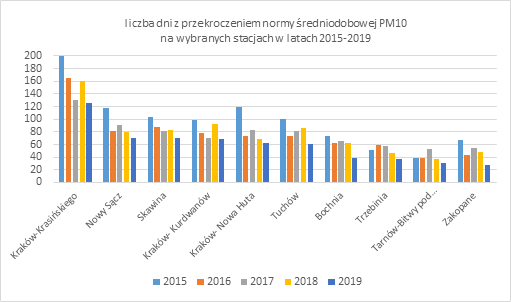
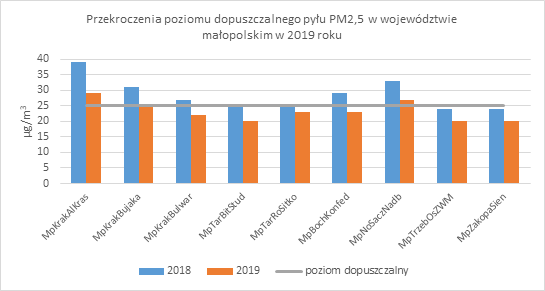
In 2019, air quality standards continued to be exceeded in Małopolska. According to the air quality assessment carried out by the Chief Inspectorate for Environmental Protection in Krakow, exceedances of the daily PM10 limit for more than 35 days a year occurred at 19 of the 25 measurement stations.  The highest exceedances of benzo(a)pyrene occurred in towns located in mid-mountain basins. In addition, slight decreases in pollution relative to 2018 were recorded within the Krakow Agglomeration.  At most sites, the average annual concentration of PM2.5, remained below the permissible level set by the standards (25 µg/m3), this is a clear decrease compared to 2018.

Źródło: Główny Inspektorat Ochrony Środowiska

A summary of the implementation of the Air Quality Plan for the Małopolska Region has been prepared on the basis of

  • reports prepared by all communes and poviats on the implementation of the above-mentioned Program in 2018,
  • data obtained from the heating inventory database for buildings in the Małopolska region (as of 08.08.2019)
  • annual assessment of air quality in the Małopolska Region – provincial report for 2018 provided by the Chief Inspectorate for Environmental Protection (Department of Environmental Monitoring Regional Department of Environmental Monitoring in Krakow)

The report was prepared as part of Action D.1 “Monitoring the effects of the implementation of the Air Quality Plan for the Małopolska Region” within the project “Implementation of the Air Quality Plan for the Małopolska Region – Malopolska in a healthy atmosphere”, LIFE-IP MALOPOLSKA, LIFE14 IPE/PL/021 co-financed by the LIFE Program of the European Union. This communication reflects the views only of the author, and the Commission cannot be held responsible for any use which may be made of the information contained therein.

From 30 November to 7 December an on-line training was organised for all municipalities in the Malopolska Region on the heating inventory base in Malopolska. It is the first database of this type in Poland to enable uniform collection of information on heating sources. The application serves to manage the heating inventory of buildings in a commune. It also updates data on heating exchanges, thermo-modernizations and renewable energy sources used.

This is the third edition of the training courses organised by the Malopolska Region. The first edition took place in December 2017 and the second in March 2019. This time the trainings were held online and included theoretical and practical parts. The free training was attended by 200 participants, including representatives of the Marshal’s Office of the Malopolska Region.

Monitoring of the implementation of the anti-smog resolution

The trainings were organised in order to improve reporting and obtain correct and representative data related to the current monitoring of the implementation of corrective measures resulting from the obligation imposed by the Air Quality Plan for the Małopolska Region. According to POP the commune should prepare and regularly update the heat sources inventory base. The data obtained, including the pollution reduction effect achieved by the municipalities, also allows monitoring the effects of the implementation of the Małopolska anti-smog resolution. The functioning of the database was indicated as “good practice” during an audit by the Supreme Chamber of Control conducted in 2018.

Main events

  • On 5th November 2020 an on-line meeting with Eco-managers took place. During the meeting the requirements that communes must meet according to the assumptions of the new Air Quality Plan for the Małopolska Region were discussed.
  • Due to the COVID-19 pandemic, the implementation of the LIFE project’s eco-managers’ activities was limited. It was difficult to carry out tasks at full capacity, due to remote working and restrictions in meeting clients and organising events.
  • Eco-managers distributed in total over 2.5 thousand information and educational materials and gave over 5 thousand advices to the inhabitants of Małopolska.

C.1. Eco-managers

Advice and help for residents

In November, Eco-managers employed under the LIFE program provided advisory assistance to the inhabitants of Małopolska in the following dimensions:

  •     1327 persons admitted in the office
  •     3384 by telephone
  •     458 in writing or by e-mail
  •     458 during visits

194 inspections were carried out at residents regarding waste incineration. Violations were found in 6 cases.

Questionnaires from residents and applications for funding

Eco-managers were involved in collecting questionnaires from residents and in processing applications for funding.

In November 2020:

  • 106 questionnaires were collected from residents interested in benefiting from the     funding,
  • 222 applications for co-financing from inhabitants or entities were examined,
  • 126 agreements with residents or entities for co-financing were signed and 297 such agreements were settled.

Eco-managers have entered or updated data on 818 buildings in the heating base.

C.2. Competence Centre

List of low-emission heating devices

The list of low-emission solid fuel heating appliances that meet Ecodesign requirements, available at www.powietrze.malopolska.pl, includes a total of 350 boilers and space heaters.

Eco-intervention application

In November, 1123 applications were received. The application is available at https://ekomalopolska.pl/app/ekointerwencja/index.html.

These can be specified:

  • 1042 notifications concerning air pollution,
  •  81 on businesses,
  •  111 illegal waste disposal,
  •  78 other reports.

The hotline operated by the Competence Centre of UMWM responded to over 300 telephone calls.

Online training with eco-managers

On 5 November 2020, an online meeting with Eco-managers was held. The meeting discussed the challenges faced by Eco-managers and the requirements to be met in accordance with the Clean Air Program. These include, among others, creation of service points of the Clean Air Program, as well as intensification of control of household furnaces in terms of observing the anti-smog resolution and the waste burning ban. The discussion also touched on the implementation of tasks in the era of the ongoing Covid-19 epidemic.

Training in the base of building heating inventory in Małopolska

On 30 November a series of on-line trainings in the heating sources inventory database addressed to eco-managers began. During the training detailed information will be provided about entering information into the base about investments in liquidation of old, low-efficiency heating devices using solid fuels, thermo-modernization of residential or public buildings and use of renewable energy sources. The trainings will be continued also in December. 

Online training – Meeting with an expert

The Polish National Energy Conservation Agency (KAPE) as part of online training courses entitled In November, “Meeting with an expert” organized two events attended by eco-managers:

  •     04.11. – Meeting with KAPE expert – deep thermos-modernization
  •     18.11. – Meeting with KAPE expert – heating sector

E.2. Local information and education activities in the field of air protection

Educational materials on air protection

Eco-managers in the municipalities:

  •     produced 10512 leaflets and brochures and 90 posters,
  •     distributed 2259 leaflets and brochures and 116 posters,
  •     prepared 3510 and distributed 184 other educational and promotional materials (promotional materials, leaflets related to the Clean Air Program).

A smog-free Małopolska

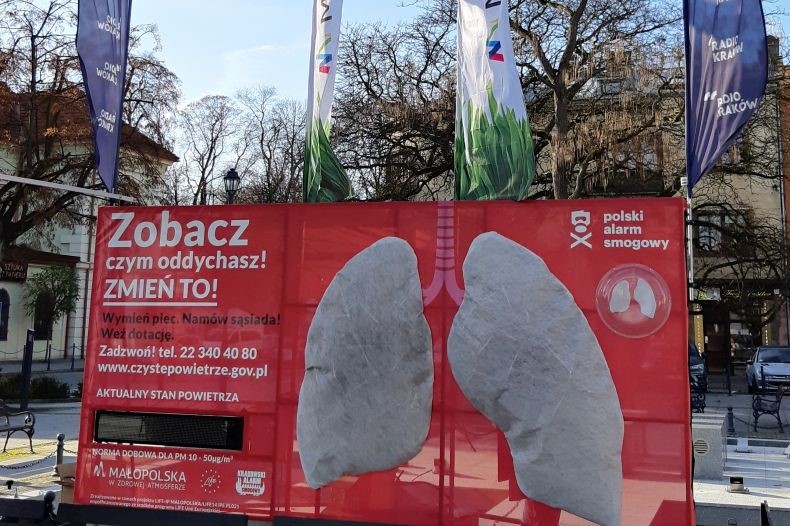
The first stage of the “Smog-free Małopolska” campaign by the Małopolska Region, Radio Kraków and the Polish Smog Alarm has ended. For 12 days portable dust meters monitored the air quality in Krzeszowice and Kęty. As part of the campaign, portable pollen counters are also monitoring air quality in Kalwaria Zebrzydowska and Maków Podhalański. Then the action will move to other municipalities of Małopolska: Myślenice and Rzepiennik Strzyżewski.

Emission of advertising spots

In November, spots on air protection, subsidy programs and eco-intervention began in local radio stations and Radio Krakow.

Meetings and events

Eco-managers organized meetings and events:

  •     3 competitions for children/young people with 112 participants,
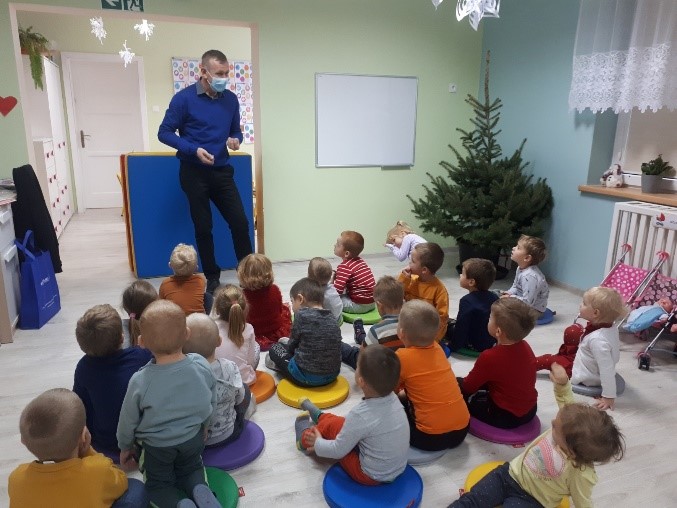
  •     3 school and kindergarten meetings attended by 90 people (including online activities),
  •     12 meetings with residents, attended by 65 people,

E.3. Creating networks for exchange of experience with other projects.

Meeting “Let’s talk about smog”

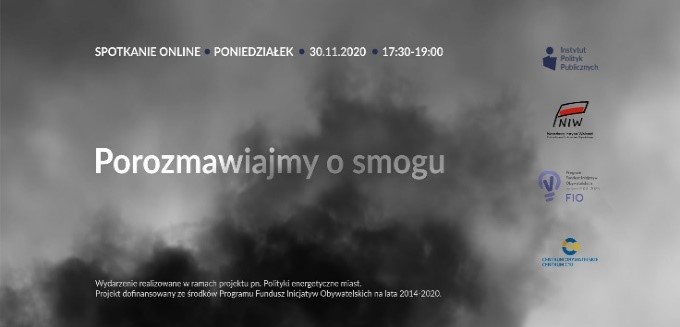
On 30 November 2020, employees of the Competence Centre took part in a meeting organised by the Institute of Public Policy entitled “Let’s talk about smog”. During the event, information about air quality in the region, the results of the Air Quality Plan to date, the new Plan and the LIFE project was presented. After the presentation a Q&A session took place, during which questions of the participants were answered.

The agreement to co-finance the LIFE Project EKOMALOPOLSKA was signed

On 20 November 2020, an agreement was signed for co-financing of the LIFE EKOMALOPOLSKA Project by the National Fund for Environmental Protection and Water Management. The Małopolska Region will begin implementation of the project in January 2021. The project will be carried out in cooperation with 26 partners, including the Ministry of Development, the Silesian Voivodeship and the AGH University of Science and Technology in Krakow, as well as 18 poviats of the Małopolska Region. The project will also be supported by two foreign partners: Institute for Energy, Climate and Environment in Wuppertal (Germany) and Brandenburg University of Technology in Cottbus (Germany). The project’s tasks include the promotion of renewable energy sources, improved energy efficiency and extensive measures to combat climate change.

Eco-partners for the solar energy of Malopolska

Photovoltaic installations, solar collectors and heat pumps will soon be installed on residential buildings, public buildings and land in 31 municipalities in Małopolska, allowing residents to generate energy in an environmentally friendly way. The green investment will be realised as part of the project “Eco-partners for Małopolska’s solar energy”, which received funding of more than 59 million PLN from the European Regional Development Fund.

E.4. Promotion of project implementation

Eco-managers in the municipalities have prepared:

  • 13 articles in the press,
  • 121 articles and posts on the Internet and social media,
  • 15 times other media were used

and participated in media releases related to the project:

    3 radio or TV broadcasts.

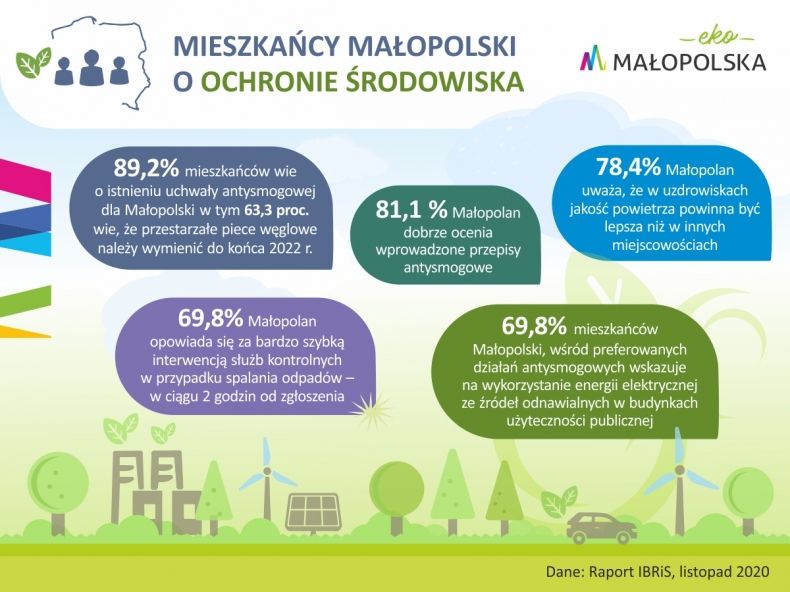
According to the latest report, prepared by the Institute for Market and Social Research IBRiS at the request of the Management Board of the Małopolska Region at the turn of October and November 2020, over 89 percent residents of the province know about the existence of a smog resolution for Małopolska, and over 81 percent. positively assesses the introduced anti-smog regulations.

Residents of the region want better air

The survey also shows that the inhabitants of the region want better air in spa towns (78.4%), and that the most important task of municipalities is helping the poorest to pay their bills for environmentally friendly heating (72.1%). The inhabitants of Małopolska appreciate the help of an eco-manager in filling in applications for co-financing for the replacement of a furnace (61%) and choosing an ecological energy source (57.5%).

To the question: What actions in the field of air protection do you expect from your commune? 69.8% respondents answered that the use of renewable energy sources in public buildings (schools, offices), and 65 percent. – inspection of furnaces for waste incineration. Another question resulted in the answer that such an inspection should take place already 2 hours after notification (69.8% of respondents).

From the regional government the inhabitants of Małopolska expect support for municipalities to carry out their tasks in the scope of air protection (78.3%), promotion of new, ecological energy sources (68.1%) and information and education campaigns (56.6%).

The expectations of the residents of Malopolska are very much in line with our plans. The region already has 67 eco-managers working under the EU LIFE project, we are trying to secure funds in the National Reconstruction Plan to employ eco-managers in all municipalities in Małopolska, and to re-equip municipal guards to carry out effective inspections. According to the Air Quality Plan, as early as next year each commune should have a service point for the Clean Air grant program, which offers the possibility of up to 60% co-financing for furnace replacement. The Just Transition Fund will also provide support for air protection measures in West Małopolska.

– says Deputy Marshal Tomasz Urynowicz

Residents of Małopolska about environmental protection

  •     89.2% of residents are aware of the existence of an anti-smog resolution for Małopolska, and 63.3% of respondents correctly indicated their obligations under the resolution
  •     81.1% of Małopolska residents are positive about the anti-smog regulations introduced
  •     78.4% of residents/Malopolans believe that air quality in health resorts should be better than in other locations
  •     69.8% of residents in Małopolska are in favour of very quick intervention of inspection services in case of waste burning – within 2 hours of notification
  •     69.8% of Małopolska residents indicate the use of electricity from renewable sources in public utility buildings as one of the preferred anti-smog measures
  •     69.1% of the region’s residents postulate the idea of free public transport on smog alert days

Photo gallery:

Once again the Małopolska Region joined in the celebrations of the European Green Week. This year’s main themes were nature and biodiversity, as well as their impact on society and the economy. This edition was an opportunity to assess the impact of our daily choices on the environment. It was also an opportunity to highlight the importance of biodiversity for society and the economy. What role it can play in supporting and stimulating economic recovery after a pandemic.

The EU Green Week events took place from 21 to 27 September this year. However, some events have been moved to October.

We present below reports from the celebrations in individual municipalities of the Małopolska Region.

Municipality of Chełmiec

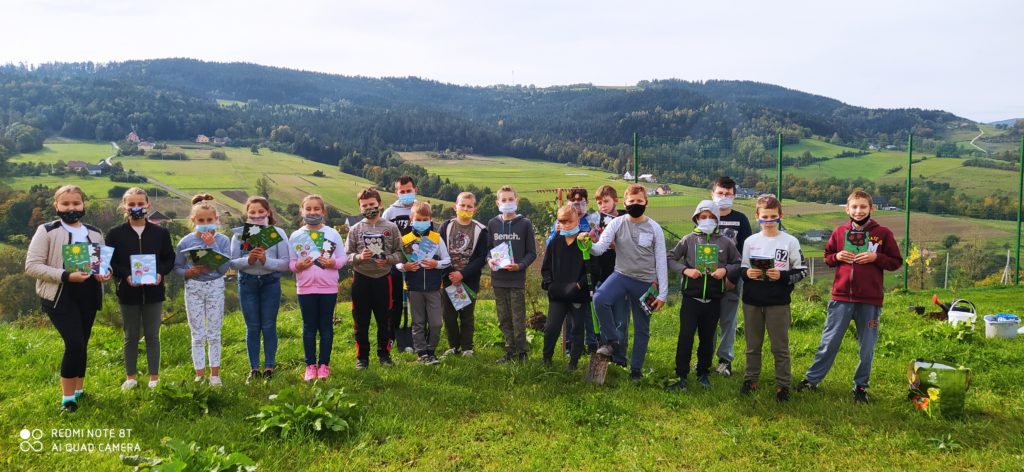
The event was attended by students from six primary schools in the Chełmiec commune. The trees were planted from September 25, 2020 to October 8, 2020. Thanks to the involvement of children, youth and teachers, 164 trees and shrubs will decorate the space around schools in Chełmiec, Trzetrzewin, Marcinkowice, Chomranice, Wielogłów and Krasne Potock. About 400 people took part in the event.

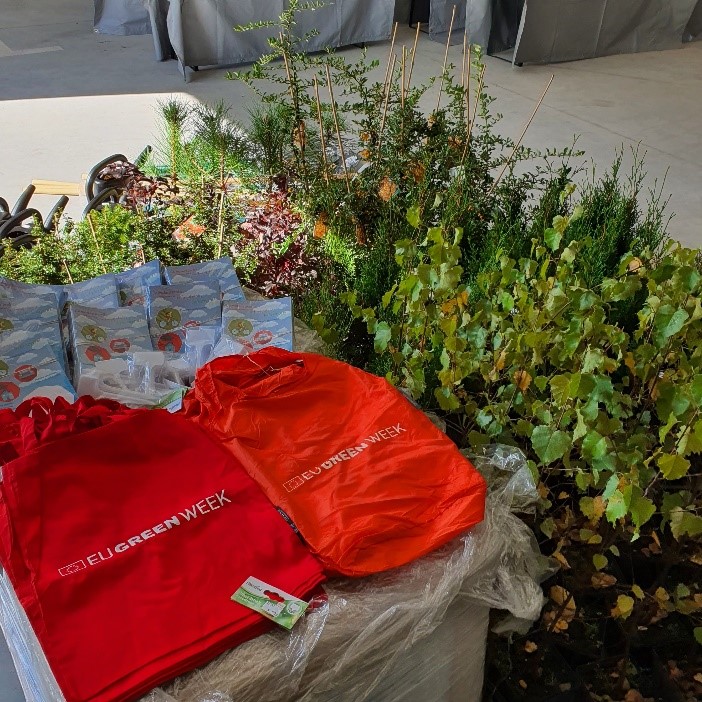
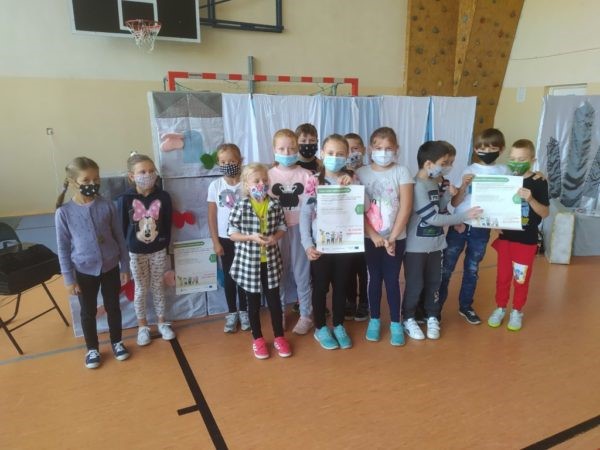
In the first stage of the campaign, pupils and their tutors analysed and selected species of trees and shrubs that would be suitable for the space around their school. Once the trees had been ordered, the students set to work. Shovels, rakes and watering cans were used. Bernard Stawiarski, the mayor of Chełmiec, also helped the students. After planting all the trees, each class labeled their seedling, which they will take care of for the next few years. The participants also received leaflets and brochures encouraging them to take care of the natural environment. Ecological bags made of transported PET bottles and notebooks with covers encouraging young people to make ecological choices in their everyday lives.

Municipality of Czernichów

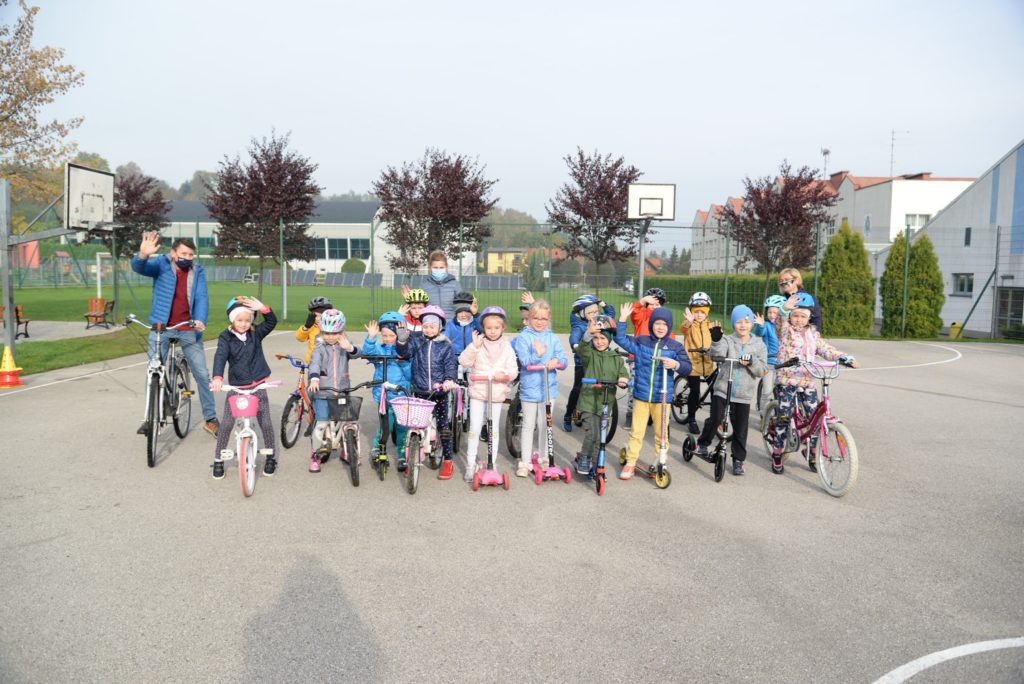
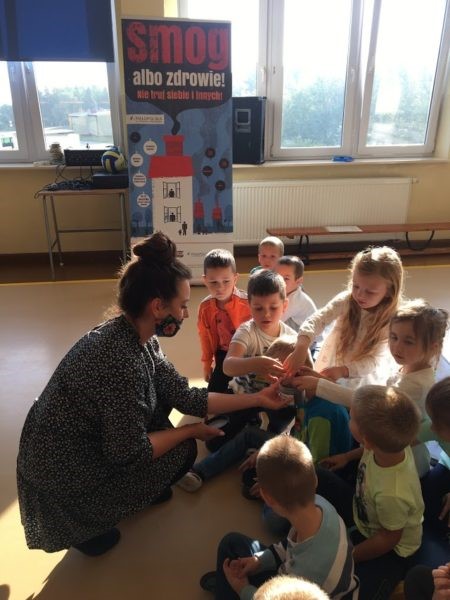
On 01.10. this year. A meeting of an eco-manager with children from the Primary School in Przeginia Duchowna took place in the framework of the integrated LIFE project entitled “Implementation of the Air Quality Plan for the Małopolska Region – Malopolska in a healthy atmosphere”. As part of the meeting at the school, Eco-manager from the “LIFE” project and Eco-manager from the “EKOTEAM” program raised the issues of air protection as part of the European Green Week celebrations, stressed the importance of good waste management habits in everyday life and how to protect the natural environment. A dialogue with children was established in the question-answer system, topics were developed by playing segregation with the use of colored garbage bags. As part of the celebrations of the European Sustainable Transport Week, children were shown the possibilities of alternative ecological forms of transport and presented how the daily ecological attitudes have a huge impact on shaping the natural environment and protecting the air. At the end of the meeting, students were given worksheets on smog and air protection.

Municipality of Gromnik

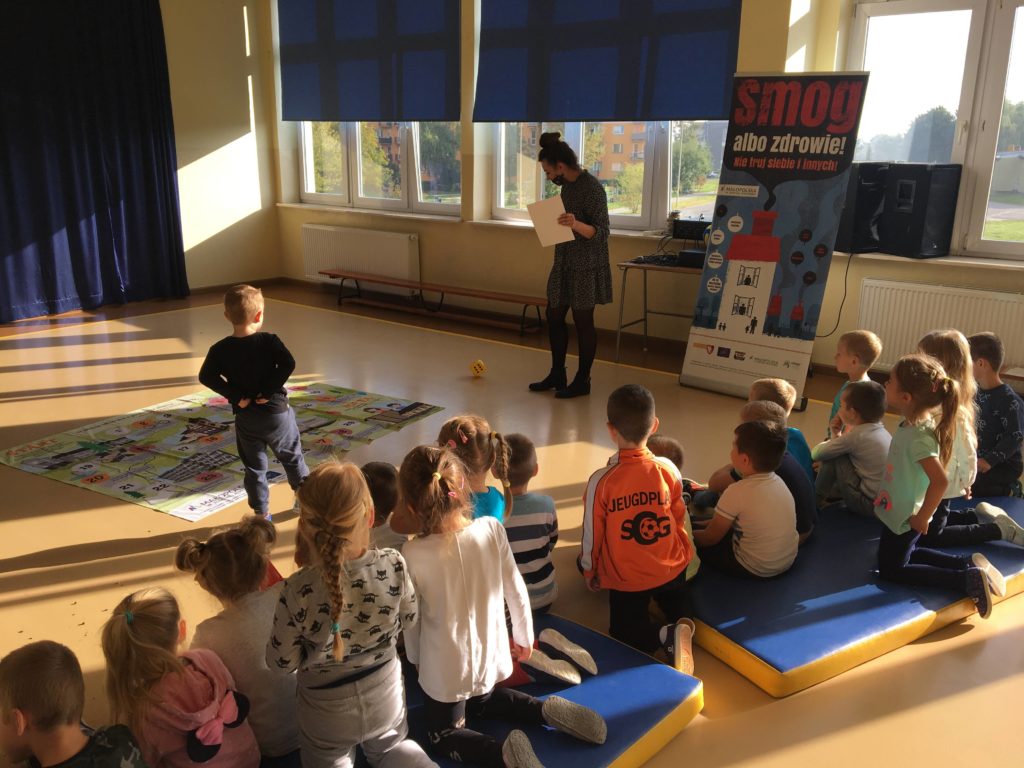
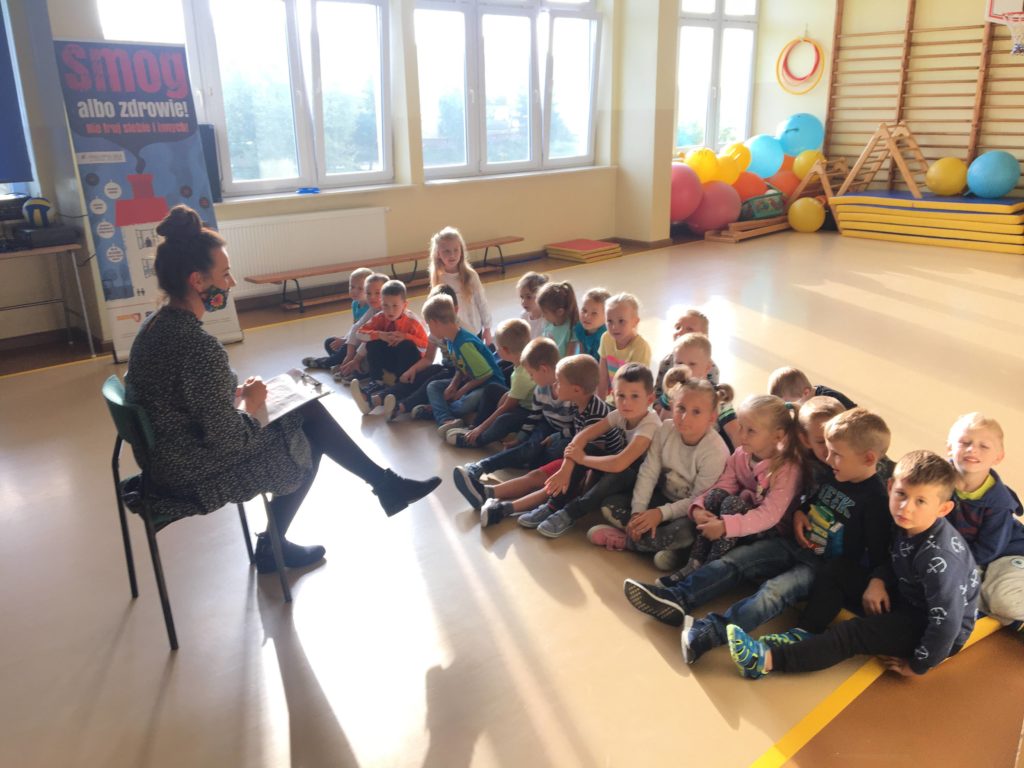
The Gromnik commune actively participated in the celebration of this year’s Green Week. The eco-manager organized several meetings in schools with students of the 2nd and 5th grade of Primary School. Younger students made posters entitled Code of the Little Ecologist and Recipe for a beautiful world, while older students developed a poster entitled Eco-student. During the activities, the eco-manager discussed basic issues related to air pollution. In addition, pupils solved rebus puzzles and tasks related to environmental protection. Moreover, a meeting was organized with pupils of grades I-III as part of thematic classes in the school common room.

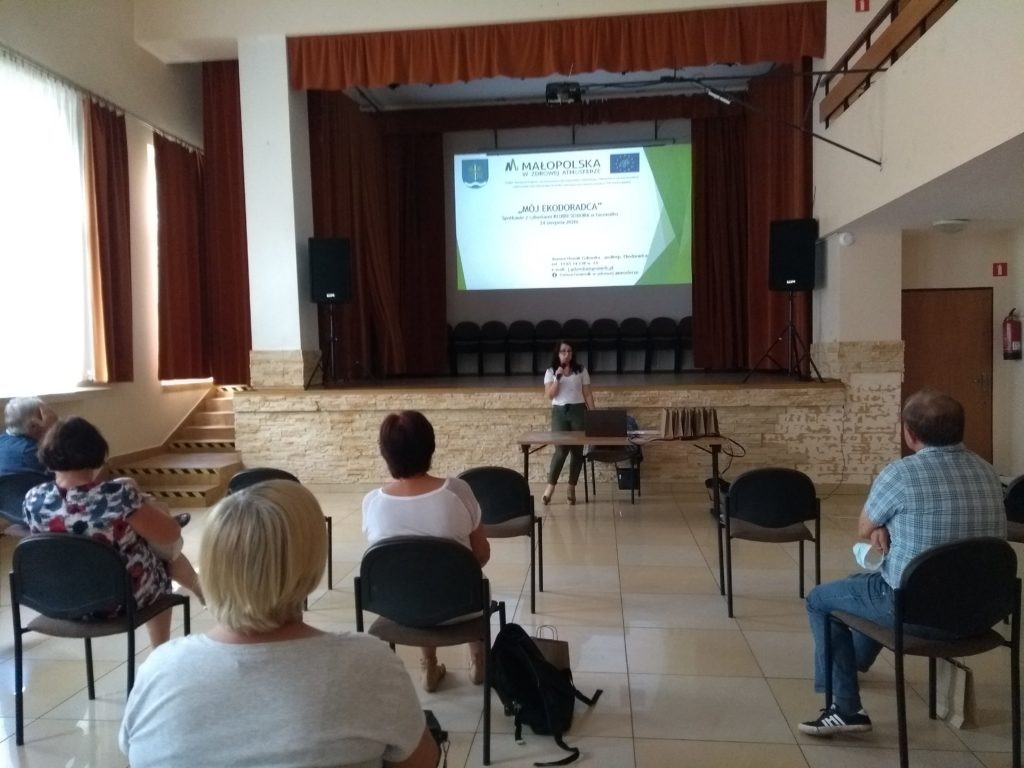
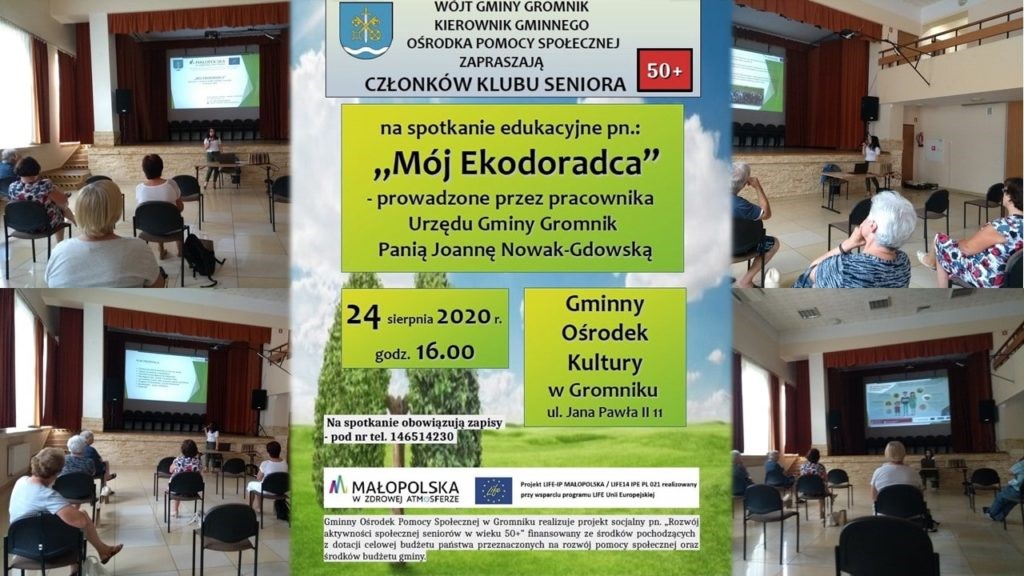
On September 23, 2020, a meeting with the Senior Club in Siemiechów entitled “My Eco-Manager”. During the meeting, the topic of air pollution and its limitation was discussed. Moreover, information was provided on aid programs for the replacement of ineffective heating sources and thermal modernization of buildings.

The participants were informed about PP “Clean Air”, thermomodernization relief, and about PP “My Water”. The position and role of the eco-manager was also presented, as well as the activities carried out so far in the Gromnik commune. Additionally, in connection with the celebrated Green Week and the European Week of Sustainable Transport, Seniors from Siemiechów signed the ECO SENIOR DECLARATION.

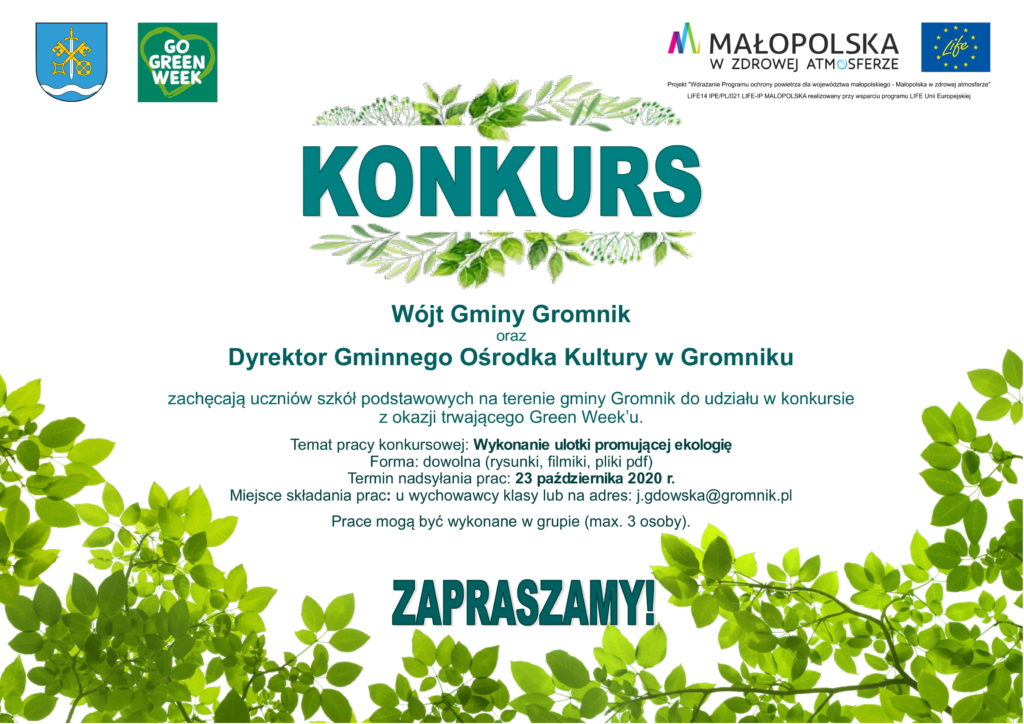
At the end of the Green Week, an environmental competition was announced for classes IV-VIII.  Pupils made leaflets and spots promoting environmental protection and a healthy lifestyle. The winners of the competition will be announced soon.

Municipality of Lubień

On 6 September 2020, classes Va, Vb, VI, VIIa, VIIb and VIIc of the Primary School in Tenczyn, together with their teachers and tutors, took part in the Clean Up the World action as part of the celebrations of the European Green Week.

The weather that day was favorable. The students enthusiastically took action. Almost everyone noticed that this year there was much less garbage than in previous years. Admittedly, there was less rubbish, but still it is present in our common public space. There were also interesting finds this time, such as an old vacuum cleaner, a huge fuel canister, construction waste, and countless cans and bottles. This is more and more surprising, as residents are obliged to segregate waste and pay for its disposal.

Probably a lot of water will flow through our (now beautifully cleaned) Tenczynka, before some people start to think more ecologically.

Municipality of Łapsze Niżne

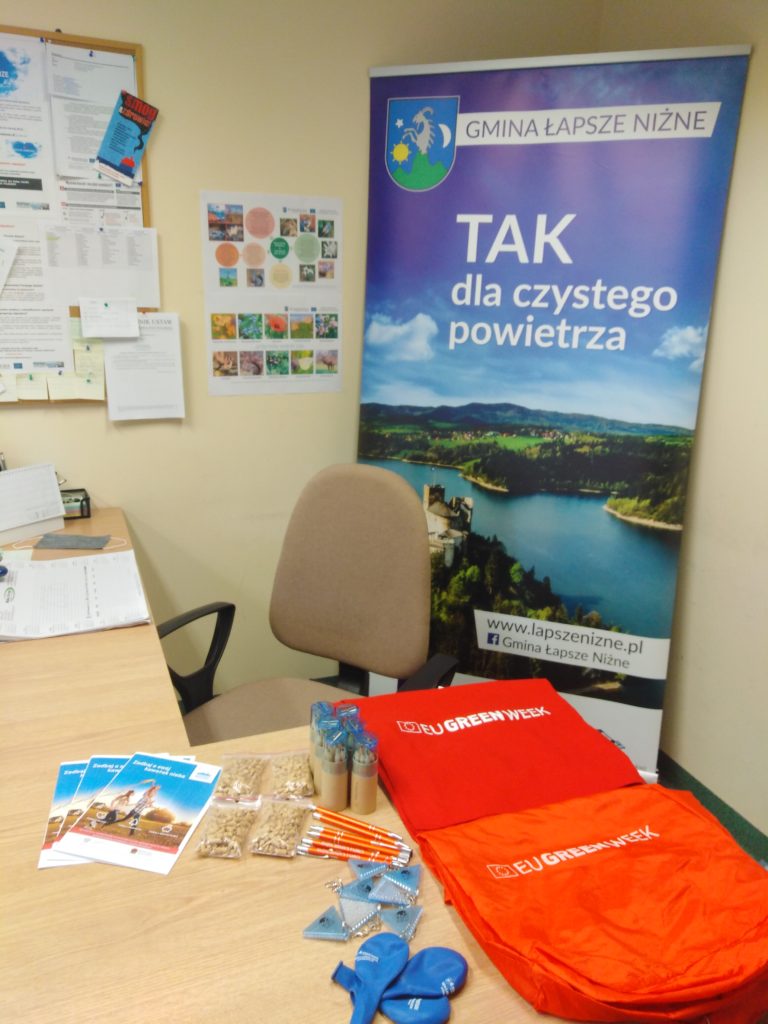
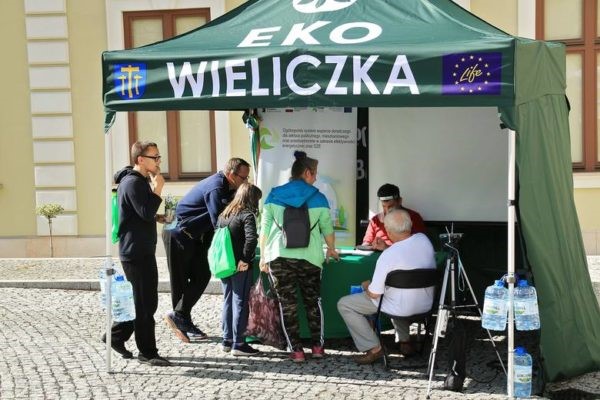
This year’s Green Week celebrations in the Łapsze Niżne commune were an opportunity to learn about the rich world of nature that surrounds us. The main theme of the campaign, focusing on biodiversity, created an opportunity to show the youngest inhabitants of the commune how important it is for humans to preserve the diversity of plant and animal species and to care for the natural environment. This year, due to the ongoing epidemiological situation, the activities were mostly transferred to the virtual world. As part of the campaign under the slogan “In harmony with nature”, from 12 to 16 October 2020, in agreement with the headmasters, lessons on biodiversity – mainly local – were organized in primary schools in the municipality; educational materials and infographics containing the most important information were developed and distributed by an Eco-manager. In addition, an information campaign was carried out in the area of the Commune Office at the indicated date. All applicants visiting the Eco-manager’s stand were handed out educational gadgets received as part of this year’s campaign, and information on biodiversity and broadly understood environmental protection was provided.

Municipality of Miechów

As part of this event, on 25 September 2020, classes with an Eco-manager were held in a pre-school group from Primary School No. 2 in Miechów. The meeting started with a discussion on smog and combustion. The children actively participated in the classes, answering questions which concerned mainly air protection. A topic related to nature was also raised. The discussion focused on the benefits of taking care of the environment and the surrounding nature. As part of the workshop, the children made their own gardens in jars. They showed great creativity and commitment.

Municipality of Nawojowa

As part of the Green Week celebrations, an Eco-manager held environmental education activities in Primary Schools in the municipality. The lectures concerned air protection, waste segregation and emphasising the importance of nature and biodiversity for the society and economy.

The lessons were conducted in younger classes. Young inhabitants of the Nawojowa Commune willingly participated in the lessons and showed great knowledge in the field of ecology. The pupils willingly took part in the discussion and answered questions on air protection prepared by the Eco-manager.

The Eco-manager gave the children important information on how to develop good ecological habits, as it is well known that taking care of the environment is important from an early age.

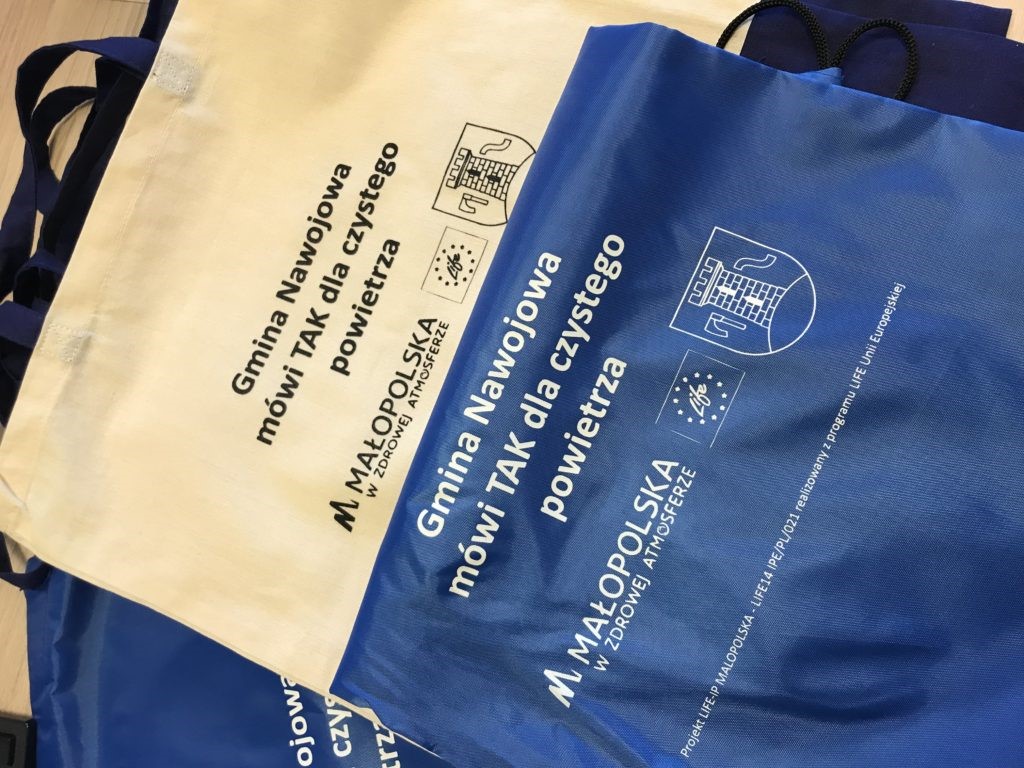
As part of the Green Week celebrations, the children received air protection leaflets and backpacks with the LIFE project logo.

Municipality of Stryszów

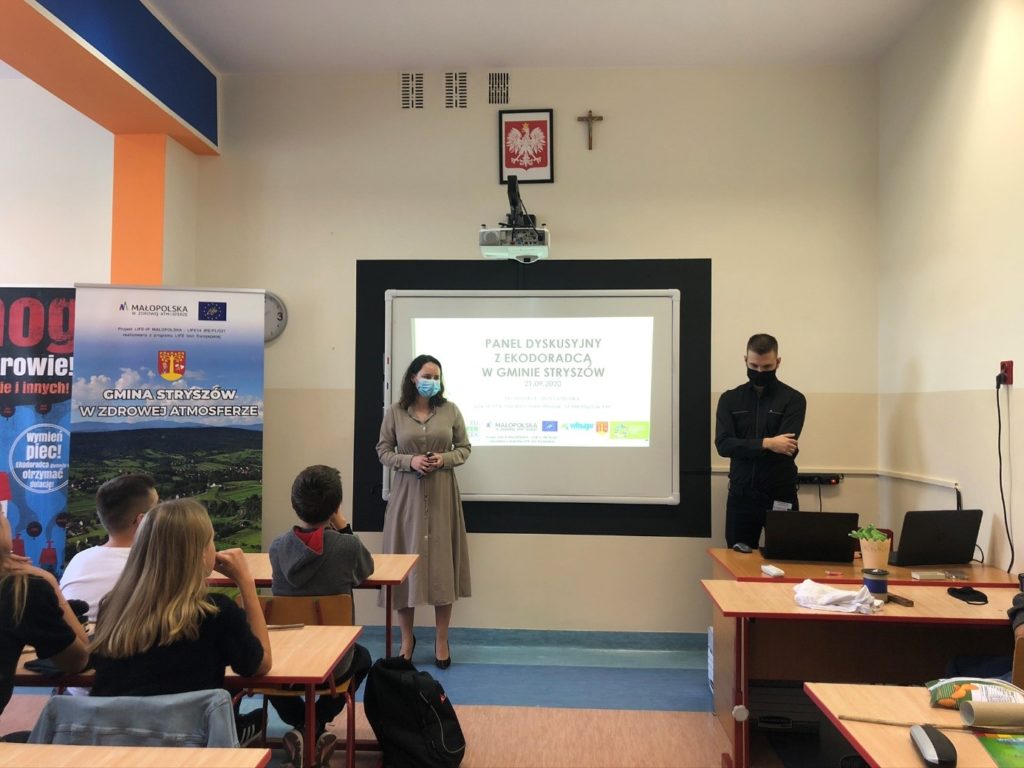
As part of this year’s EU Green Week on 21.09.2020 during a panel discussion with an Eco-manager in schools in the Stryszów commune, the panel participants (mainly children from classes VIII) learned what the European Green Week is and what it promotes.

The most active of them were awarded small gifts related to the event.

Municipality of Świątniki Górne

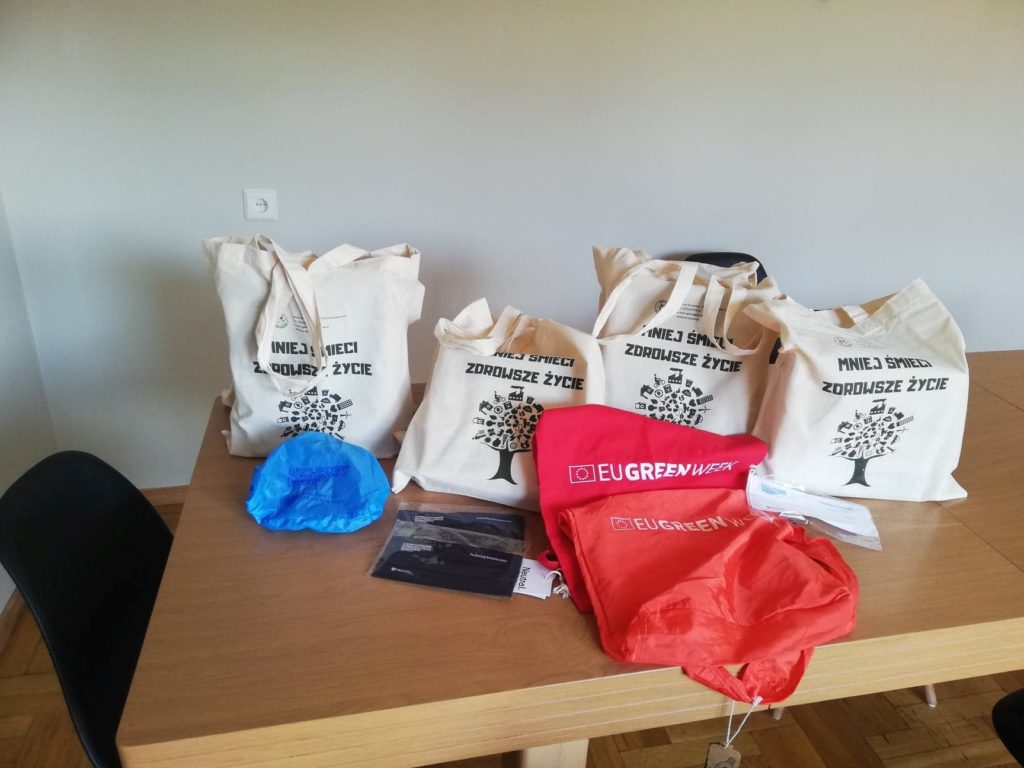
“In the commune of Świątniki Górne, during the Green Week 2020, the residents who came to the Office received the advice of the Eco-Manager, incl. in terms of subsidies for green investments for the home. During the conversation, the residents received ecological gadgets, incl. reusable bags, water bottles, bicycle covers to emphasize that every choice, even the most simple and every day one, is important for nature. Thus, recipients were taught ecological habits and were encouraged to be eco every day. The eco-manager pointed out important issues that happen every day, such as waste segregation or air protection, suggesting that when traveling, it is worth choosing a bicycle or a walk, and when going shopping, a reusable bag instead of a disposable one.

Municipality of Mszana Dolna

As part of the European Green Week we organized a screening of the documentary “You can panic” in our town. The Marshal’s Office, which joined the action and supervised all the activities in the province, encouraged the GREEN WEEK to take place in accordance with the sanitary requirements in force during an epidemic. With the implementation of the car cinema, such an activity was an alternative to all the workshops or mass events organized so far. Many ideas were not implemented because of the situation we were in. However, this does not mean that this is the end of green education. We received ecological bags and they were given to people who came to the Saturday screening of the film. Those who did not make it to the market square can catch up – the film is available online and you can watch it to deepen your knowledge about the climate changes taking place in Poland. It is narrated by atmospheric physicist Professor Szymon Malinowski. It is really worth watching this film! We highly recommend it!

The film may be an incentive for further changes in our lives – maybe it will help us change our habits, we will start to shop consciously using the least processed products, we will limit the purchase of goods in plastic packaging, we will take canvas bags when we go out shopping, we will start to save water…

Municipality of Piwniczna – Zdrój

On 11 October 2020, as part of the celebrations of the European Green Week, two meetings were held with residents on available forms of support for investments related to replacement of heat sources, thermo-modernisation of buildings, RES installations. The inhabitants received information materials on thermo-modernisation relief, the Clean Air and My Current projects. The Eco-manager discussed in detail the access criteria to the above mentioned programs, guidelines for conducting the modernisation works, documents necessary to settle the investment.  At the meeting the information concerning the new obligations imposed on the owners of individual households under the adopted Air Quality Plan for the Małopolska Region was provided.

The meeting was attended by residents of the Majerz estate and residents of the Kokuszka village.

Municipality of Gdów

On 21 and 24.09.2020 in the schools of Gdów Commune an ecological performance “Sky mission” took place for classes 0-III. They were taken on a journey to the land of Queen Spalina by members of the Krakow Cultural Promotion Office. The actors raised the issues of waste segregation, toxic smog and environmental protection in an extremely interesting way for children. The children listened to a lecture by an environmental advisor on the celebration of the European Green Week.

The show, prepared by the Krakow Cultural Promotion Office, focused on smog, low emissions, waste segregation and environmental degradation. Fast and humorous action, excellent acting, music and special effects made the little ones actively participate in the performance. The children answered the prepared questions, puzzles and helped the heroes. They simply combined great fun with a large dose of information in the field of ecology and environmental protection.

The ecological performance “Sky Mission” was one of the elements of activities related to raising environmental awareness of residents carried out under the projects entitled “Replacement of old boilers, cookers in households from the Gdów Municipality for new heating devices using gas or biomass” and “Replacement of old boilers, cookers in households from the Gdów Municipality for new heating devices using solid fuels” co-financed by the European Union from the Regional Operational Program for the Małopolska Region for 2014-2020.

This summary of #EUGreen Week is only an overview of selected events arranged in Małopolska.

Thank you to everyone who joined in this year’s European Green Week celebrations!

Main events

  • The Air Quality Plan for the Małopolska Region, adopted by the Sejmik of the Małopolska Region, came into force on 27 October this year. The comprehensive project of activities aimed at improving air quality in our region will make it possible, inter alia, to achieve a significant reduction in emissions of particulate matter in the atmosphere by 2023 and of benzo(a)pyrene by 2026.
  • The integrated LIFE EkoMałopolska project “Implementation of the Regional Action Plan for Climate and Energy” implemented by the Małopolska Region received co-financing from the National Fund for Environmental Protection and Water Management.
  • As part of the European Green Week, some of the municipalities in the Małopolska Region organized events in October which promoted an ecological lifestyle.
  • The activities of the eco-managers under the LIFE project have been reduced. The reason for this is the COVID-19 epidemic.
  • Eco-managers distributed in total over 25 000 information and educational materials and gave over 5 000 advices to the inhabitants of Małopolska.

C.1. Eco-managers

Advice and assistance to residents

In October, Eco-managers employed under the LIFE program provided advisory assistance to the inhabitants of Małopolska in the following dimensions:

  • 1436 persons admitted in the office
  • 3168 by phone
  • 563 in writing or by e-mail
  • 198 during visits

119 inspections were carried out at residents regarding waste incineration. Violations were found in 5 cases.

Questionnaires from residents and applications for funding

Eco-managers were involved in collecting questionnaires from residents and in processing applications for funding.

In October 2020:

  • 147 questionnaires were collected from residents interested in benefiting from the funding,
  • 218 applications for co-financing from inhabitants or entities were examined,
  • 103 agreements on co-financing were signed with residents or entities and 185 such agreements were settled.

Eco-managers entered or updated data on 1099 buildings in the heating database.

C.2. Competence Center

List of low-emission heating devices

The list of low-emission solid fuel heating devices that meet Ecodesign requirements, available at www.powietrze.malopolska.pl, includes a total of 348 boilers and space heaters.

Application “Eco-intervention”

In October, 699 applications were received. The application is available at https://ekomalopolska.pl/app/ekointerwencja/index.html.

This can be detailed to:

  • 594 reports of air pollution,
  • 90 illegal waste disposal
  • 15 other reports.

The hotline operated by the Competence Centre of UMWM responded to over 300 phone calls.

Online training – Meeting with an expert

The Polish National Energy Conservation Agency in the framework of the online training “Meeting with an expert” in October organized three events in which eco-advisors took part:

  • 14.10. – Meeting with KAPE expert – white certificates.
  • 21.10. – Meeting with KAPE expert – RES in buildings and PV.
  • 28.10. – Meeting with KAPE expert – energy consumption monitoring.

D.1. Monitoring of the effects of the implementation of the Air Quality Plan for the Małopolska Region (MPOP)

On 27 October, the new Air Quality Plan for the Małopolska Region, adopted by the Małopolska Regional Assembly on 28 September 2020, entered into force. The most important tasks identified in the Air Quality Plan include accelerating the replacement of outdated furnaces, promoting the use of renewable energy sources by providing higher co-financing for them, and improving the inspection system.

E.2. Local information and education activities on air protection

Educational materials on air protection

Eco-managers in the municipalities:

  • prepared 52 213 leaflets and brochures and 7 posters,
  • distributed 22 820 leaflets and brochures and 37 posters,
  • prepared 123 and distributed 2189 other educational and promotional materials (promotional materials, leaflets connected with the Clean Air Program).

Meetings and events

Eco-managers organized meetings and events:

  •     3 competitions for children/young people with 271 participants,
  •     10 school and kindergarten meetings attended by 395 people (including online activities),
  •     10 meetings with local residents attended by 128 people,
  •     22 meetings with local leaders attended by 80 people in total,
  •     6 other events on air protection with 490 participants.

E.3. Creating networks for sharing experience with other projects.

Funding for the LIFE EkoMalopolska Integrated Project “Implementation of the Regional Action Plan for Climate and Energy”

The second, implemented by the Małopolska Region, integrated LIFE EkoMałopolska project “Implementation of the Regional Action Plan for Climate and Energy” received co-financing from the National Fund for Environmental Protection and Water Management. The total budget of the project is 16.4 million EURO, of which 35% (i.e. 24.6 million PLN) will be co-financed by the NFOŚiGW. Implementation of the LIFE EkoMałopolska Project includes among others: implementation of the Regional Action Plan for Climate and Energy, low-emission transformation of the heating equipment market and creation of IT tools determining the potential of RES. As part of the project, a regional competence centre will be prepared to support districts and municipalities. Pilot projects are also planned for energy clusters and energy cooperatives.

Competition “Innovation in energy-efficient construction – the key to success – 2nd edition”

Malopolska Region in cooperation with the Krakow University of Technology and partners organizes a competition entitled “Innovations in energy-saving construction as the key to success – 2nd edition”. The organization of the competition is part of the conference entitled: “Air Quality and Energy Efficiency, JPEE 2020” organized by the Małopolska Center for Energy-Saving Construction in cooperation with the Association of Energy Certifiers and Auditors. The aim of the competition is to promote innovation and energy efficiency in business, municipalities and science.

Green Week in Małopolska

In October, some municipalities in the Małopolska Region organized events as part of the European Green Week celebrations. The theme of this year’s edition was nature and biodiversity and their impact on society and the economy.

E.4. Promotion of project implementation

Eco-managers in the municipalities have prepared:

  • 10 articles in the press,
  •  84 articles and posts on the Internet and social media,
  •  9 times other media were used

and took part in media information related to the project:

  •  25 radio or TV shows.

On November 5, 2020, an online meeting with Eco-Managers was held. Over 50 participants took part in the training, including eco-managers operating in the Małopolska Region.

Course of the meeting

The meeting discussed the challenges faced by the Eco-Managers and the requirements to be met in accordance with the Air Quality Plan. These include, among others, the creation of Clean Air Service Points, as well as the intensification of the inspection of household furnaces for compliance with the anti-smoke resolution and the ban on burning waste.

The discussion has raised the difficult subject of implementing tasks in the current Covid-19 epidemic. Let us recall that according to the latest scientific data, air pollution increases the risk of acute disease. That is why measures to improve the condition of the air are now so important.

Benefits for residents

The effects of the work of eco-managers operating in the Małopolska Region have shown how much benefit it is for the municipality to employ people responsible for air quality improvement activities. Expert advice on furnace replacement, easier access to subsidy programmes and quick reactions to intervention calls are just a few examples that favour local air quality improvement, which benefits all residents.

The presentation:

Since 21 October this year, applications can be submitted in the second part of the government’s Clean Air Programme. The most important change from the previous rules is the increase in the amount of grants for people with low income. The maximum subsidy for replacing a cooker and warming the house is currently PLN 37,000. You can obtain the necessary income certificate in your municipality. The subsidy calculator will allow you to calculate the real cost of the investment and subsidies for a specific case.

This is very good news, especially since the local government of Małopolska is working intensively on how to support residents in the exchange of heat sources. We put emphasis on cooperation with local governments. Better use of subsidy funds, especially in the context of people who can only afford a minimal own contribution.

– says Deputy Marshal of Małopolska Tomasz Urynowicz

I believe that simplifying the rules of the Clean Air Programme will help to speed up the fight against the pathogenic smog, which is already starting to show signs at this time of year.

– adds the Vice-Marshal

Under the new rules of the programme, less well-off owners or co-owners of single-family houses can receive a subsidy of up to 60% of the eco-investment costs incurred. This applies to individuals with a monthly income of up to 1,400 PLN/person. (in case of a multi-person household) or up to PLN 1960 (in a single-person household).

Other beneficiaries of “Clean Air”, with an annual income of up to PLN 100 thousand, are entitled to a maximum of PLN 25 thousand of co-financing for the replacement of a heat source and installation of a photovoltaic system, and PLN 30 thousand if the investment includes a heat pump and PV system. It is also worth remembering that in the case of similar investments , a thermomodernization relief of up to PLN 53 thousand is available for the tax return (PIT- form).

Income certificates necessary to obtain the subsidy will be issued by municipalities on the basis of the so-called requests. The request can be submitted to the municipality in person, sent by post or by using the ePUAP platform. You should address yourself to the municipality according to your address.

The National Fund for Environmental Protection and Water Management has also prepared a grant calculator, available on a special website (http://www.czystepowietrze.gov.pl/kalkulator-dotacji/ ). It will make it easier to calculate the subsidy for the planned project in a specific case. Another convenience of the new version of “Clean Air” is the possibility to extend the deadline of the project by six months.

A new list of equipment and materials meeting the technical requirements specified in the “Clean Air” programme is available on the ZUM List website https://lista-zum.ios.edu.pl/ . The list of heating devices meeting the requirements of the so-called eco-design can also be checked on a dedicated website https://powietrze.malopolska.pl/ekoprojekt/ .

The antismog resolution in force for Małopolska imposes an obligation to replace out-of-class furnaces (the so-called “coppers”) by the end of 2022. Boilers of 3rd or 4th class must be replaced by the end of 2026. Whereas a 5th class boiler purchased before July 1st 2017 can be used until the end of its life. All newly installed solid fuel appliances must meet the ecodesign requirements. They must have an automatic fuel feeder and cannot be fitted with an emergency grate (except for wood gasifying cookers).

More information HERE

The Małopolska Region, in cooperation with the Cracow University of Technology and partners, invites you to take part in the competition entitled “Innovations in energy-efficient construction as a key to success – II edition”. The organisation of the competition is an element of the conference entitled: “Air Quality and Energy Efficiency, JPEE 2020” organised by the Małopolskie Centrum Budownictwa Energoszcznego in cooperation with the Association of Energy Certifiers and Auditors.

The aim of the competition is to promote innovation and energy efficiency in business, municipalities and science, and to support the development of entrepreneurship by promoting entrepreneurs, local government units and scientists implementing innovative solutions.

They can enter the competition:

  • scientists, scientific and research teams,
  • entrepreneurs,
  • local government units,
  • students, student teams.

The competition is open to individuals who can be proud of their success in developing their own new technologies, innovative production, service, marketing or organisational solutions or implementing new technologies, innovative production, service, marketing or organisational solutions

The winners will be awarded in the category:

  1. Innovations in the world of science;
  2. Innovation in the business world;
  3. Innovative student ideas.
  4. Innovation in the world of local governments;

The completed and signed form should be sent to [email protected]  by 31.10.2020.

The awarded winners will present their presentation on the 1st day of the conference “Air Quality and Energy Efficiency JPEE 2020”, which will be held online.

The winners of the competition will be honoured with the diploma “Innovator in energy-efficient construction 2020”.

Where to find information?

More information about the conference and the competition, together with the regulations and the application form, can be found at http://mcbe.pk.edu.pl/index.php/konferencja-i-konkurs/ .

Main events

  • On 28 September this year, the Council of the Małopolska Region adopted the Air Protection Programme for the Małopolska Region. The main assumption of the Programme is the air quality improvement in the shortest possible time. According to the assumptions, in 2023 the dust content standard in the atmosphere will be achieved. In 2026, the emission of carcinogenic benzo(a)pyrene will reach the target standard. The adoption of the document was preceded by many months of public consultations and work on the programme.
  • From 16-22 September this year, Sustainable Transport Week was celebrated. This year, the campaign was held under the slogan Clean, Shared and Intelligent Mobility. As part of the event, the communes of Małopolskie Voivodship organised a number of events during which they promoted ecological forms of mobility.
  • From 21-27 September this year, the European Green Week was celebrated. The main theme of this year’s edition was nature and biodiversity, as well as their impact on society and the economy.
  • The eco-advisers distributed a total of over 6,000 information and educational materials and provided advice to almost 7,000 inhabitants of Małopolska.
  • Due to the COVID-19 pandemic, implementation of activities the eco-managers under the LIFE project has been reduced. Full-time tasks were difficult to carry out, due to remote working and restrictions on the reception of stakeholders and organisation of events.

C.1 Ecomanagers

Advice and support for residents

In September, the Ecomanagers employed under the LIFE programme provided advisory assistance to the inhabitants of Małopolska:

  • 2 314 people admitted to the office
  • 3 626 by telephone
  • 322 in writing or by e-mail
  • 524 during visits

148 inspections have been carried out on residents for waste incineration. In 21 cases, violations were found.

Questionnaires from residents and applications for funding

The Ecomanagers were involved in collecting questionnaires from the residents and processing applications for funding.

In September 2020:

  • 156 questionnaires from residents interested in receiving funding were collected,
  • 246 applications of residents or entities for funding were considered,
  • 249 agreements with residents or entities for co-financing were signed and 164 such agreements were settled.

The Ecomanagers have entered or updated data on 2,654 buildings in the heating base.

C.2 Centre of Competence

List of low-emission heating devices

The list of low-emission solid-fuel heating appliances meeting eco-design requirements, available at www.powietrze.malopolska.pl , includes a total of 347 boilers and space heaters.

The “Eco-intervention” application

In August, 299 applications were received. The application is available on the website https://ekomalopolska.pl/app/ekointerwencja/index.html .

It can be specified:

  • 189 reports on air pollution,
  • 86 illegal waste exports
  • 24 other applications.

The information line operated by the Competence Center of the Marshal’s Office has answered over 250 telephone calls.

C.3 Support for the implementation of the prohibition of solid fuels for heating in Krakow

The staff employed in the LIFE project are involved in the verification of applications and accounting for grants to replace boilers. In September:

  • they carried out 5 sustainability checks,
  • They have carried out 196 pre-execution checks,
  • 38 grant agreements have been signed.

E.2. Local information and education activities in the field of air protection

Educational materials on air protection

The Ecomanagers in municipalities:

  • prepared 2915 leaflets and brochures and 554 posters,
  • They distributed 3886 leaflets and brochures and 754 posters,
  • prepared 3815 and distributed 1943 other educational and promotional materials (promotional materials, leaflets related to the Clean Air Programme).
Meetings and events

Eco-managers organized meetings and events:

  • 12 competitions for children / youth, in which 242 people took part,
  • 11 meetings at school and kindergartens, attended by 819 people (including online classes),
  • 26 meetings with residents attended by 1484 people,
  • 22 meetings with local leaders (teleconferences with councillors, mayors) including 297 people,
  • 23 other air protection events attended by 577 people.

The Ecomanagers have transferred part of their activities to the Internet. They organised various competitions and workshops using social networks.

E.3 Creating networks for the exchange of experience with other projects.

Sustainable Transport Week

From 16 to 22 September this year, as part of the Sustainable Transport Week, a number of events related to this took place in the municipalities of the Małopolska region. The aim of the activities is to promote ecological forms of mobility, such as: means of public transport, bicycle, pedestrian traffic and multimodal transport, i.e. combining various branches of transport. This years’ edition of the campaign was held under the motto Clean, shared and intelligent mobility.

E-visit to Brussels

On 17 September this year, the ecomanagers and employees of the Centre of Competence had the opportunity to take part in an e-visit organised by the European Commission’s Visit Centre in cooperation with the Marshal’s Office of the Małopolska Region. The main theme of the meeting was biodiversity, Green Deal and energy policy.

Green Week

The European Green Week (Green Week) was celebrated from 21-27 September. This year, the main topics were nature and biodiversity, as well as their impact on society and the economy. This year’s edition was an opportunity to assess the impact of our daily choices on the environment, and to highlight the importance of biodiversity for society and the economy.

Conference at the Regional Inspectorate of Environmental Protection in Cracow

On 24 September this year, a conference entitled Sources of air pollution and their impact on air quality in Krakow in 2018-2019 was held at the headquarters of the Regional Inspectorate for Environmental Protection in Krakow. During the conference, the results of research conducted by scientific teams of the AGH University of Science and Technology were presented, as well as an assessment of the effects of air protection programmes implementation.

During the conference, the support of the Inspectorate for the provisions included in the draft of the new Air Protection Programme for the Małopolska Region was emphasized.

Adoption of the Air Protection Programme for the Małopolska Region

On 28 September 2020. The Council of the Małopolska Region adopted a new Air Protection Programme for the Małopolska Region. The main assumption of the Programme is the improvement of air quality in the shortest possible time. According to the judgment of the EU Court of Justice, issued due to exceeding air quality standards in Poland, these measures must be adequate to the level of pollution. In accordance with the air protection programme, the dust content standard in the atmosphere will be met already in 2023. In 2026, the emission of the carcinogenic benzo(a)pyrene will be reduced, meeting the target standard. The adoption of the project is the end of many months of consultations and work on the programme.

E.4 Promotion of project implementation

The Ecomanagers in the municipalities have prepared:

  • 14 press articles,
  • 163 articles and posts on the Internet and community media,
  • They have used other media (e.g. wall newspapers and information boards) 39 times,

and took part in the media information related to the project:

    8 radio or TV programmes.

Will there be an absolute ban on smoking coal and wood in Małopolska?

No, the new Air Protection Programme does not introduce a ban on smoking coal and wood in Małopolska. The antismoking equipment and fuel allowed for use is indicated in the antismoking resolution for Małopolska. According to its guidelines, from July 2017, it is not allowed to install a new furnace for coal, wood or fireplace in the Małopolska region with emission parameters worse than those set out in the EU regulations on the so-called Ecodesign. From 2020, all coal and wood-fired heaters available for sale in Poland and the European Union must meet ecodesign requirements. The list of approved appliances can also be found on the website: https://powietrze.malopolska.pl/ekoprojekt/.

Will I have to replace the coal furnace?

Yes, if it does not meet the requirements of the anti-smoke resolution. If you have an out-of-class furnace (the so-called “kopciuch”) you must replace it by the end of 2022. The boiler of 3rd or 4th class must be replaced by the end of 2026. On the other hand, if you used the 5th class boiler before July 1st 2017, you can use it until the end of its life. All newly installed solid fuel appliances must meet the ecodesign requirements. Have an automatic fuel feeder and cannot be fitted with an emergency grate (except for wood gasifying cookers).”

What about modern coal-fired furnaces (fourth, fifth generation)?

The 4th class coal-fired boilers should be replaced by the end of 2026. However, class 5 boilers installed before 1 July 2017 can be operated until the end of their service life. These requirements result from the antismog resolution adopted for Małopolska in 2017. The air protection programme, on the other hand, obliges local governments to take a number of measures to support residents in adapting to the requirements of the antismog resolution.

Will there be subsidies to replace ovens? What kind?

There are a number of programmes in Poland from which such subsidies can be obtained, including Clean Air, My Current, Stop Smog, but also thermomodernisation relief and municipal programmes. The POP does not introduce any further subsidy programmes, but rather emphasises the better use of existing ones. In a year’s time, each municipalities should have an eco-manager and a service point for the Clean Air program. Depending on the family’s income, the programme offers the possibility of up to 60% co-financing for furnace replacement and investments related to the improvement of energy efficiency of the building (e.g. insulation, replacement of windows). It has also been recommended to allocate at least 1% of the municipalities’ own income to air protection activities since 2021.

What can I do if I see that a neighbour is smoking poor coal or rubbish, for example? Who specifically according to the POP (and since when) will have to intervene/control, when and to what extent?

This can be reported directly to the municipality, to the municipal/communal guard or by means of the Eco-intervention application. The application can be downloaded on the phone or run on the website: https://ekomalopolska.pl/app/ekointerwencja

Municipalities have also been required to include information on their websites about the possibility of reporting waste incineration.

The new Air Protection Programme obliges the authority responsible for inspections, i.e. the municipality’s self-government, to take action within 12 hours of receiving the notification.

Will there be subsidies for heating costs for those who switch from an out-of-class furnace to a gas boiler, for example? For whom? How much?

Such subsidies may be decided by the municipality. The so-called “subsidies for increased heating costs” has been adopted, e.g. by the local government of Krakow, and a programme of social subsidies for heating costs also exists, e.g. in Zabierzów. The subsidies have a social character and are implemented through Social Assistance Centres. There are, also, a number of government and other programmes that provide funding to replace the furnace, which are supported by ecomanagers, according to POP, who are employed in each municipality no later than September 30th 2021.

Does the Air Protection Programme oblige municipalities to support people affected by energy poverty?

The POP recommends, among other things, that at least 1% of the municipalities’ own income be allocated to air protection activities from 2021, and a part of this amount be used for protective programmes.

Who will physically collect data about what kind of heat source is in the house? Is such a person entitled to enter the house if the owner refuses to provide data?

On the basis of the Act on the amendment of the Act on supporting thermomodernization and renovation adopted by the Parliament, the owner and administrator of the building is obliged to submit to the municipal office information about the type of heating and class of the boiler used. Data on heating sources are also collected by municipal employees or persons authorised by the municipalities. After the launch of the Central Building Emissions Register, these data will also be verified by chimney sweepers and district building supervision inspectors. According to POP, the residents of Małopolska are obliged to provide such information to the persons authorised by the communes.

Will there be an absolute ban on recreational smoking in domestic fireplaces throughout Małopolska? Since when would such a ban apply?

No, the ban on the use of fireplaces will apply when there is a 1st, 2nd or 3rd degree smog hazard. This ban will therefore depend on the state of the air quality in individual localities. Degrees of danger are announced for poviats. In practice, this means that in localities where the air quality is the worst, it may be a longer period, but in other places it is only several days per year. The more the air in individual localities improves, the more this ban will not have to be applied. The ban applies only to fireplaces that are not the only source of heating.

How will POP influence the use of recreational plots? In particular, will it be possible to burn leaves and other bio-waste?

According to the Act on waste from 14 December 2012, we are prohibited from burning leaves and branches on plots and in gardens. For burning plant waste, which causes smoke to be generated that is inconvenient for owners of neighbouring properties, there is a fine of up to PLN 500.

The issue of burning plant residues is also regulated by the municipal cleaning regulations. Usually municipalities collect such waste and prohibit its incineration.

Will it be possible to use barbecues in Krakow or other places?

Yes, you can use barbecues in Krakow and other places. The air protection programme does not introduce restrictions in this aspect. Only barbecues which are not a stationary technical device as defined by law may be used in Krakow, in accordance with the applicable anti-smoke resolution (e.g. brick barbecues are prohibited).

Will there be a ban on older car models entering the centre of Krakow and other cities? What will Euro 5 and Euro 6 zones be?

The Air Protection Programme provides for the creation of a clean transport zone in Krakow from 2026 based on vehicle emission standards. The implementation of this measure is conditional on the introduction of appropriate changes to the regulations at the statutory level.

The final shape of the zone will be prepared by the City of Krakow in the implementation plan. It has been recommended to restrict entry for cars with diesel engines below Euro 6 and cars with petrol engines below Euro 4. When the restrictions come into force (the clean transport zone), cars with diesel engines below Euro 6 will then be at least 11 years old, i.e. largely exhausted. In contrast, cars with a petrol engine below Euro 4 will be at least 20 years old.

What penalties do mayors face for being late in fulfilling POP provisions (and for what and when)?

In the event of failure to meet the deadlines for the implementation of actions specified in the POP, the Voivodship Inspector for Environmental Protection may impose a fine on the commune or poviat from PLN 50,000 to 500,000.

The fight for clean air in Małopolska has been going on for many years. Pioneering measures, such as the total ban on the use of coal and wood in Krakow, are a source of satisfaction for some and a cause for criticism for others. Both are breathing the same air, the protection of which is being fought for together by the local authorities of Małopolska.

The new Air Protection Programme for the Małopolska Region, adopted on 28 September 2020, is another important step towards improving air quality in Małopolska.

Work on creating an ambitious programme took almost 11 months. Many people, many environments were involved in this work. Social consultations lasted over seven months (…). Several thousand comments of various kinds were submitted.

–  said Tomasz Urynowicz, Deputy Marshal of Małopolska.

What will be the air quality in Małopolska in the coming years?

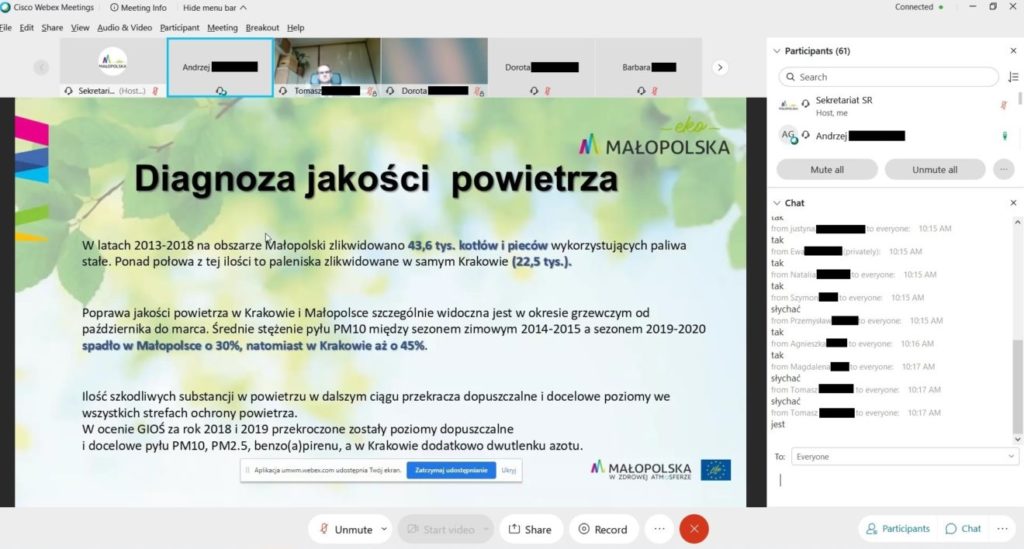
The main task of the Programme is to improve air quality in the shortest possible time. In accordance with a judgment of the Court of Justice of the EU, issued due to the fact that air quality standards in Poland have been exceeded, these measures must be adequate to the level of pollution and are intended to achieve acceptable levels as soon as possible. The amount of harmful substances in the air continues to exceed the permissible levels in the entire region. There is, a visible improvement in air quality in Krakow and Małopolska, especially during the heating period from October to March. The average concentration of PM10 dust between the winter season 2014-2015 and the last season 2019-2020 dropped by 30% in Małopolska, and by as much as 45% in Kraków.

This is due to the fact that since 2013, 43.6 thousand boilers and furnaces using solid fuels have been replaced in the region. Over 22 thousand of them were located in Krakow only.

The effects achieved are the success of a consistent environmental policy, including the implementation of anti-smog resolutions.

said Deputy Marshal Tomasz Urynowicz during the session of the Sejmik.

According to the Air Protection Programme, already in 2023 the dust content standard in the atmosphere will be met. In 2026, however, the emission of the carcinogenic benzo(a)pyrene will be so limited that its content in the air inhaled by the residents of Małopolska will meet the target standard.

Financial support is the basis for the implementation of the Programme

However, in order to implement the assumptions of the POP, a number of new actions need to be taken, which require greater involvement of local authorities in helping the inhabitants. Among other things, in taking advantage of subsidies for the exchange of heating sources, thermal modernisation of buildings and use of renewable energy sources. The wallets of the residents of Małopolska can receive money not only from programmes such as Clean Air, My Current or STOP SMOG. Also thermomodernization reliefs and municipal programmes. Additionally, it is expected that shielding programmes will be created for people affected by energy poverty. It was recommended, among other things, that from 2021 at least 1% of the income of the municipality’s own revenues should be allocated to air protection activities. Part of this money will be allocated to protective programmes.

There is planned to be an eco-manager in each municipality to help the people to get the information they need. They will also provide support in using the available financial resources. It is important, however, that the eco-manager knows who to reach with the information. Therefore, one of the priority actions of municipalities is building a full inventory of heating equipment. This is also related to the government’s planned activities within the framework of the Central Building Emissions Register. Every resident will be obliged to report his or her heat and electricity source. It is also necessary to support the implementation of the Clean Air Priority Programme by creating Service Points of this programme in all communes of Małopolska.

Banning of fuel combustion? NO!
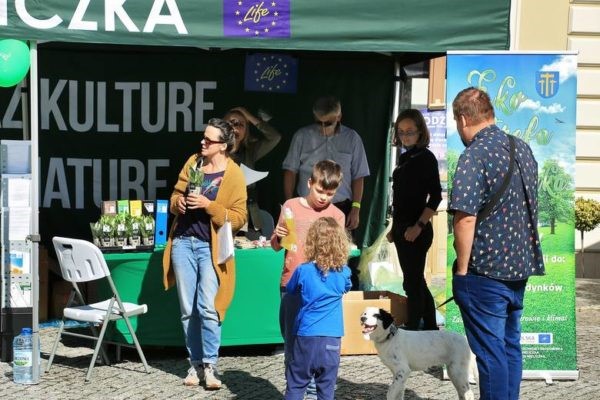
The measures in the Air Protection Programme do not include a ban on the use of solid fuels in the Małopolska region. Under current antismog resolutions, it will be possible to burn coal and wood in the entire region outside Krakow. It will be possible to install and operate boilers and fireplaces and room heaters for coal, wood and biomass on the principles set out in the antismog resolution, i.e. meeting Ecodesign requirements. Farmers and gardeners will still be able to use coal and wood to heat tunnels and greenhouses, but better quality equipment will result in less fuel being burned and the air being much cleaner.

Fireplace owners do not have to be afraid that they will not be able to use them unless smog alarms of I, II and III degree occur. Then all recreational fuel combustion sources, which means fireplaces, will be excluded. They may not cause significant emissions, but it is important to reduce emissions from all unnecessary emission sources in an area where air quality has deteriorated. The short-term action plan also provides for the reduction of other works which may cause further deterioration in air quality, such as the use of leaf blowers, construction work related to dust emissions or emissions from industrial plants.

In terms of climate protection, the use of renewable energy sources will become more important and will be promoted by providing higher funding, as well as the use of ‘green energy’ in public buildings.

Under the Programme, local governments are requested to carry out intervention checks on compliance with air protection regulations within 12 hours of reporting an offence. An example of this is eco-intervention, which is an innovative application implemented over a year ago in Małopolska. Municipal authorities will also have to plan system inspections – their number depends on the number of residents in the municipality. According to the Programme, the inspections will be carried out on the basis of internal procedures for the control of furnaces. Municipalities are obliged to develop them by the 30th September 2021.

Clean transport in Krakow

Air protection means not only replacing boilers and furnaces, but also taking care of sustainable transport in cities. In Kraków, where the impact of transport on air quality is greatest, a clean transport zone is planned to be implemented from 2026. When the zone is created, the owner of a 12-year-old diesel car or a 20-year-old petrol car will not be able to enter the designated area of the city. However, until then, national legislation must be introduced to enable such zones to be established.

The residents of Małopolska will gain:

  • Cleaner air
  • Financial support for the replacement of old heat sources
  • Professional advice in municipalities through eco-managers
  • Easier access to financial programmes
  • Wide access to environmental education
  • Access to information on pollution from industrial sites
  • Current access to information on air quality

Check: https://powietrze.malopolska.pl/program-ochrony-powietrza/

A conference entitled “Sources of air pollution and their impact on air quality in Cracow in 2018-2019” was held on 24.09.2020 in the headquarters of the Regional Inspectorate of Environmental Protection in Krakow.

During the conference, the results of research conducted by the AGH University of Science and Technology’s scientific teams entitled: “Sources of air dust pollution in Krakow in 2018 – 2019″. The research was supplemented with information from the Environmental Protection Inspection, including an assessment of the effects of air protection programmes implementation.

The aim of the developed project was to determine the type and share of individual sources of dust air pollution emissions observed at selected air quality monitoring stations.

Support for the new Air Protection Programme

The results of the research show that in 2018 in Krakow the main source of dust during the winter months was still the combustion of solid fuels. The conclusions from the research carried out in Krakow are a recommendation for consistent enforcement of the updated orders contained in the draft of the new Air Protection Programme for the Małopolska Region.

Continuation of the research for the following years will make it possible to estimate the impact of the ban on burning solid fuels in the city on the observed level of dust pollution and, at the same time, the amount of pollution inflow from the neighbouring municipalities.

Photo gallery:

The Ministry of Climate together with the Institute of Environmental Protection – National Research Institute and the National Fund for Environmental Protection and Water Management invite students and graduates of technical universities to participate in the first edition of the Internship Programme “Climate for the Future”.

This interesting initiative will allow young people to gain the experience required in the market and unique knowledge from experts from the public sector. It is important that future interns are interested in issues concerning climate policy and rational use of environmental resources.

Who can take part?

The first edition of the Internship Programme is open to: students or graduates of the best technical and agricultural universities in Poland according to the Perspektywy ranking – details in the vacancy notice (to download on the website)

What salary can a trainee receive?

Each Trainee will receive remuneration for the internship in the amount of PLN 3 800 gross per month.

How to apply for the internship?

– read the vacancy notice

– read the Rules and Regulations of the Traineeship Programme Organisation

– Send the required documents to: [email protected].

Deadlines

Applications may be sent from 28 August to 28 September 2020.

The internship will last 12 months – from November 2020 to October 2021.

What are the rules for selecting candidates?

During the recruitment process, a maximum of 30 candidates will be selected who will receive the highest score. The basis for the decision to be accepted for the internship will be the formal and content-related selection criteria for candidates.

Candidate selection criteria:

Obligatory:

1. an interview, the main element of which is a presentation prepared by a candidate for a subject selected from among the internship and programme partners specified by the organisers of the programme

2. knowledge test – pass marker threshold 60%

3. test verifying knowledge of the English language – pass marker 60%

Optional:

1. documented practice/volunteering in institutions related to the public administration sector.

2. proven command of a second foreign language of at least level B2 (certificate).

Contact:

Additional information can be obtained at: [email protected]

Main Events

  • In August, all comments submitted as part of the consultation on the Air Protection Programme for the Małopolska Region were considered. The draft programme was adopted by the Board of the Małopolska Region.
  • Since August, a pilot application for industrial pollution has been conducted. It is carried out in the Skawina commune.
  • From 16 to 23 August, another 3rd edition of the Krakow Green Film Festival was held. It is an international festival of films on environmental issues.
  • The eco-managers distributed a total of almost 7,000 information and educational materials and provided almost 8,000 advice to the residents of Małopolska.
  • Due to the COVID-19 pandemic, the implementation of the eco-managers’ activities within the LIFE project was limited. The full range of tasks was difficult to carry out, due to remote work and limitations in accepting stakeholders and organising events.

C.1. Eco-managers

Advice and help for residents

In August, the Ecomanagers employed under the LIFE programme provided advisory assistance to the residents of Małopolska:

  • 2355 people accepted in the office,
  • 4136 by telephone,
  • 352 in writing or by e-mail,
  • 338 during visits.

There were 82 inspections of residents for waste incineration. In 7 cases, violation of regulations was found.

Questionnaires from residents and applications for funding

The Ecomanagers were involved in collecting questionnaires from residents and processing applications for funding.

In August 2020:

  • 132 questionnaires from residents interested in receiving funding were collected,
  • 198 applications of residents or entities for funding were considered,
  • 151 agreements were signed with residents or entities for funding and 154 such agreements were settled.

The Ecomanagers have entered or updated data on 836 buildings in the heating base.

C.2 Centre of Competence

List of low-emission heating devices

The list of low-emission solid-fuel heating appliances meeting eco-design requirements, available at www.powietrze.malopolska.pl, includes a total of 345 boilers and space heaters.

The “Eco-intervention” application

In August, 180 applications were accepted. The application is available on the website https://ekomalopolska.pl/app/ekointerwencja/index.html.

It can be specified:

  • 119 reports on air pollution,
  • 62 illegal waste disposal
  • 16 other applications.

The info line operated by the Competence Center of the Marshal’s Office has answered over 180 telephone calls.

E.2 Local air protection information and education activities

Educational materials on air protection

The ecomanagers in the municipalities:

  • prepared 2274 leaflets and brochures and 11 posters,
  • They distributed 6515 leaflets and brochures and 5 posters,
  • prepared 725 and distributed 266 other educational and promotional materials (promotional materials, leaflets related to the Clean Air Programme).
Meetings and events

Eco-managers organized meetings and events:

  • 6 competitions for children / youth, in which 60 people participated,
  • 2 meetings with residents attended by 150 people,
  • 11 meetings with local leaders (teleconferences with councilors, mayors) with a total of 75 people,
  • 12 other air protection events attended by 577 people.

Eco-managers transferred some of their activity to the Internet. They organized various contests and workshops via social networks.

E.3 Creating networks for the exchange of experience with other projects

Consideration of comments on the Air Protection Programme

In August, all comments received as part of the consultation on the Air Protection Programme for the Małopolska Region were considered. The draft programme was also adopted by the Board of the Małopolska Region. According to the Environmental Protection Law, the aim of the Programme is the improvement of air quality in the shortest possible time. The first reading of the draft Air Protection Program will be held at the next session of the Sejmik of the Małopolska Region.

Pilot application for industrial pollution

Since August, a pilot application for industrial pollution has been running. It is being carried out in the Skawina commune, after earlier identification of interest and potential of other municipalities of the Krakow agglomeration. The aim of the pilot is to check the functionality and usefulness of the Internet platform for monitoring industrial pollution. The experience and recommendations gathered during the pilot will be used by the Marshal’s Office of the Małopolska Region to create a target solution covering all communes and companies operating in the Małopolska.

Krakow Green Film Festival

From 16 to 23 August this year, the Krakow Green Film Festival took place. This event is the only one in Poland and the largest project in Europe that combines ecology, art, education, sport and gastronomy. Screenings of films about ecology – including images nominated for an Oscar, discussions with creators, experts, artists, sportsmen and celebrities, workshops and exhibitions, as well as the opportunity to taste healthy vegetarian food are the attractions that awaited the guests of the Krakow Green Film Festival. There was also a LIFE project stand.

E.4. Promotion of the project implementation

In August, the eco-managers prepared:

  • 11 press articles,
  • 112 articles and posts on the Internet and social media,
  • 6 times they used other media (e.g. wall newspapers and information boards),

and took part in media information related to the project:

  • 2 radio or TV broadcasts.

The “Eco-intervention” application is becoming popular among the residents of Małopolska. Since the application was introduced, as many as two thousand applications have been received, related to violations of environmental protection regulations.

Which municipalities fulfill the obligation?

The largest number of notifications was recorded in Kraków (166), the municipalities of Zielonki (115), Wielka Wieś (103), Chrzanów (89) and Wieliczka (73). The commune of Zielonki was most effective in taking actions to verify infringements, where, within 115 reports, actions were taken in as many as 112 cases. Equally intensive activities were carried out in the communes of: Proszowice, Nowy Targ, Zakopane, Oświęcim, Brzeźnica, Tarnów and Brzesko, where the percentage of the application fulfillment ranged from 89 – 96%.

 In August, we received 215 reports of environmental irregularities, mainly on air pollution. Eco-intervention is invariably popular among Małopolska residents. Local governments are also mobilizing and carrying out inspections. I am glad that the application fulfills its role, although I hope that someday we will put it out with a great pump, because it will simply not be needed anymore

Holiday? Not from responsibility!

In August, 215 new notifications were received. Municipalities: Proszowice, Kraków, Zielonki, Chrzanów and Oświęcim have the highest number of notifications concerning violations of environmental regulations. The residents of Małopolska have reported 119 cases of air pollution in the past month. They complained mainly about yellow smoke and unpleasant smell, which was not insignificant for the residents from the neighbourhood.

The most frequent reported violation was the burning of leaves, plastic and other waste. A large number of reports (62) also concerned illegal landfills by roads, on glades or near a river.

Entrepreneurs are not without accusations

Among entrepreneurs, air pollution was also one of the most frequently reported infringements, as 12 applications were received. Equally worrying were the reports concerning the discharge of waste water or sewage, which have an invasive effect on soil and water environments.

Of all the reports in August, 49 are under review. In the case of 54 completed checks, no infringements were detected, while in 13 cases, intervention was necessary: one penalty was imposed, in two cases, an warning was given, and ten incidents were resolved in other ways, such as by constant observation of the site. There are still 99 reports awaiting verification of infringements.

Where to look for information?

The electronic form is available at the www.powietrze.malopolska.pl website. The residents of the Małopolska region can, using the application, report cases of infringements causing environmental pollution. Each report is redirected to a competent control authority. At the same time, the Marshal’s Office asks for feedback on the results of the control activities.