Heat Loss in Your Home – Where Your Money Escapes and How to Stop It
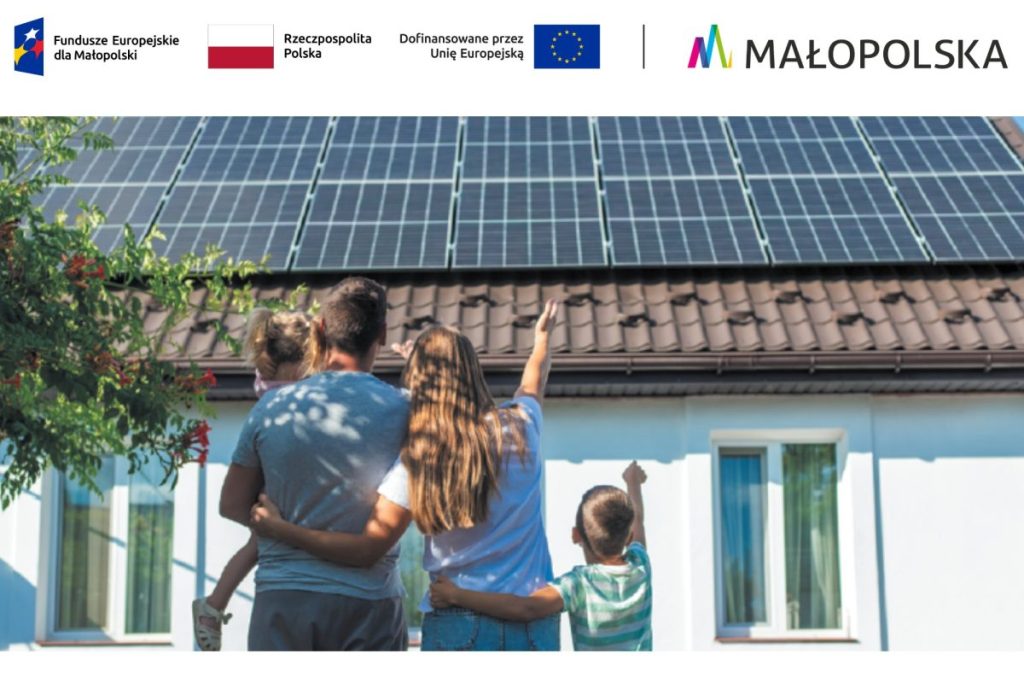
High heating bills are not only the result of rising energy prices. In many homes, a significant share of heat is lost through air leaks and insufficient insulation. In such cases, even a modern heating system may not deliver the expected savings. How can you reduce heat loss and effectively lower your heating costs?
Why Does a House Lose Heat?
The most common sources of heat loss in a single-family home are the roof (approx. 20%), walls (approx. 37%), windows and doors (approx. 15%), and ventilation systems (approx. 15%). In practice, this means that a substantial portion of the energy you pay for simply “escapes” outside.
Heat loss depends not only on the thickness of the insulation but also on the quality of the building’s construction. Particular attention should be paid to so-called thermal bridges – areas where insulation is weaker or interrupted, such as around balconies, windows, or where walls connect with the roof. These weak points can lead to higher energy bills, drafts, cold walls, and even dampness and mould growth.
For this reason, before starting any renovation project, it is worth assessing the building’s energy performance and identifying which elements should be improved first.
Thermal Modernisation – The First Step Towards Savings
Modern construction in Poland is based on energy-efficiency standards set out in the regulation on the technical conditions that buildings and their location must meet. Despite this, many buildings still consume more than 100 kWh/m²/year, while the benchmark for energy-efficient buildings is below 70 kWh/m²/year.
The solution is thermal modernisation, with the best results achieved through a comprehensive approach. Before starting the investment, it is advisable to carry out an energy audit. This professional assessment makes it possible to evaluate the building’s technical condition, identify the most effective improvement measures, determine the optimal order of implementation, and estimate potential energy savings.
If budget constraints require the work to be carried out in stages, it is essential to follow the correct technological sequence: first improve insulation of walls, roofs, and floors and replace windows, and only then modernise the heating system and install renewable energy solutions. This approach helps avoid unnecessary expenditure while ensuring lower energy bills and greater living comfort.
Funding – What Support Can You Benefit From?
The cost of a home modernisation investment can be significantly reduced. Residents can take advantage of programmes such as Czyste Powietrze, Moje Ciepło, or the thermal modernisation tax relief.
This support includes, among other things, co-financing for replacing heating sources, insulating buildings, replacing windows and doors, and installing renewable energy systems.
The level of funding depends on the scope of the investment and the household’s income situation, so it is worth checking available options and eligibility conditions in advance.
Malopolska: Regulations and Challenges
The Malopolska Region is one of the most advanced regions in Poland in the fight for better air quality. The anti-smog resolutions introduced here have one main goal – protecting the health and lives of residents.
The applicable regulations define which heating sources may be used. Since 1 May 2024, it has no longer been possible to use so-called out-of-class coal and wood boilers, and by the end of 2026, class 3 and 4 boilers must also be replaced.
Currently, residents (except in Krakow, where stricter rules apply) may choose from several heating solutions. These include modern coal, wood, and pellet boilers that meet Ecodesign requirements – although in the case of coal and pellet boilers, these must be devices with automatic feed systems.
Alternatives include electric systems such as heat pumps, storage heaters, heating foils, infrared heaters, or air conditioners with heating functions. Where possible, more systemic solutions are also available, such as connection to district heating, gas, or geothermal networks. It is also worth remembering that, in line with the direction set by Poland’s energy policy, the use of coal for heating buildings will be gradually reduced in the coming years – especially in cities, and in the longer term also in rural areas. This means that when planning heating modernisation, it is important to check not only regional regulations but also local rules in force in a given municipality.
Local Support – Ecomenagers in Every Municipality
Residents of the Malopolska Region can benefit from free support provided by Ecomenagers operating in municipalities. They help in selecting the appropriate heating system, advise on which works should be carried out to improve a building’s energy efficiency, and support applications for funding.
Thanks to funding from the European Funds for Małopolska 2021–2027, as many as 129 municipalities have received support for employing Ecomenagers. There are already 277 of them operating across the region, most often in the service points of the Czyste Powietrze programme. Many of them also act as programme operators, providing comprehensive support for low-income households.
It is worth contacting an Ecomenager even before making an investment decision. This helps avoid costly mistakes and better plan the entire modernisation process. Up-to-date contact details are available here: https://powietrze.malopolska.pl/en/ecomanagers/.
At the same time, the Malopolska Region is implementing the project “Support for the Energy Transition of Municipalities in the Malopolska Region”, co-financed by the European Funds for Małopolska 2021–2027, which strengthens advisory and educational activities and supports the implementation of solutions that improve air quality.
Daily Habits Also Matter
Household energy bills are also influenced by residents’ everyday habits. Using thermostats, lowering the temperature during absence, or briefly but intensively ventilating rooms can help reduce energy consumption without compromising living comfort.
Reducing heat loss means not only lower bills, but also greater comfort, better air quality, and an investment in residents’ health.
Campaign co-financed by the European Union