Let’s Breathe Healthier!
Cleaner air in the Malopolska Region is becoming a reality! In many towns and cities, the effects of building thermal modernisation and the replacement of old heating appliances are already visible in air quality measurements. Although the fight against smog is still ongoing, the growing number of investments shows that the region is moving in the right direction, and the consistent efforts of residents are bringing about real improvements.
Health Is Our Greatest Value
Maintaining optimal health and fitness can be a challenge, as the human body is constantly responding to external stimuli. The quality of the air we breathe is particularly important. Air pollution remains one of the greatest environmental threats today, directly causing and exacerbating numerous health conditions.
The World Health Organization (WHO) indicates that air pollution poses one of the greatest threats to public health, particularly particulate matter PM2.5 and PM10, as well as substances such as nitrogen dioxide (NO2), ozone (O3), carbon monoxide (CO), sulphur dioxide (SO2), and benzo(a)pyrene.
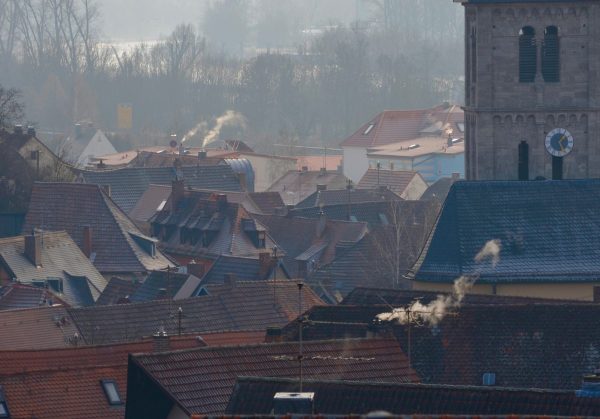
In the Malopolska Region, the main problem remains so-called low-stack emission, i.e. pollution originating from chimneys less than 40 metres high. These pollutants accumulate directly in the area where we live. Their sources include single-family homes equipped with old, environmentally harmful boilers (so-called “smokers”), in which low-quality fuel is burned. The problem is exacerbated by dense development and unfavourable weather conditions – lack of wind, high humidity, and the terrain all contribute to smog lingering over homes for a long time.
Breathing polluted air can be harmful both during short-term exposure (lasting from several hours to several days) and during long-term exposure. For many pollutants, no safe exposure thresholds have been established. Scientific research documents the negative impact of air pollution on the respiratory and cardiovascular systems. Air pollution also increases the risk of developing diabetes, cancer, dementia, depression, allergies, and chronic kidney disease, and may also lead to reduced fertility.
Children, pregnant women, seniors, and people with cardiovascular and respiratory diseases are particularly vulnerable to air pollution. Recommendations have been prepared for these groups on how to respond when pollution levels exceed the recommended limits. These include limiting walks and physical activity, refraining from ventilating the home, using air purifiers, wearing a face mask, avoiding the use of fireplaces, and limiting car use.
What Does the AAQD Change?
Although EU regulations protecting our lungs have been in place for around 30 years, air quality in many Polish and European cities is still often unsatisfactory. This year, European Union Member States are implementing the revised Ambient Air Quality Directive (AAQD). The new regulations will introduce lower pollution limits based on WHO recommendations and expand the scope of monitoring. The goal is to achieve the new air quality levels by 2030.
For Member States, including Poland, the aim of the regulatory changes will be to reduce the negative impact of pollution on health and lower the healthcare costs incurred as a result of smog. Experts estimate that implementing the new directive will help prevent around 30,000 premature deaths per year in our country caused by PM2.5, as well as approximately 3,200 deaths caused by NO2.
Church leaders also support the importance of efforts to improve the natural environment. In the encyclicals Laudato si’ and Magnifica humanitas, Church authorities emphasise the need to protect human dignity and nature in the age of algorithms. They also call for support for the poorest, who, for economic reasons, are most vulnerable to the effects of smog.
Investing in Health
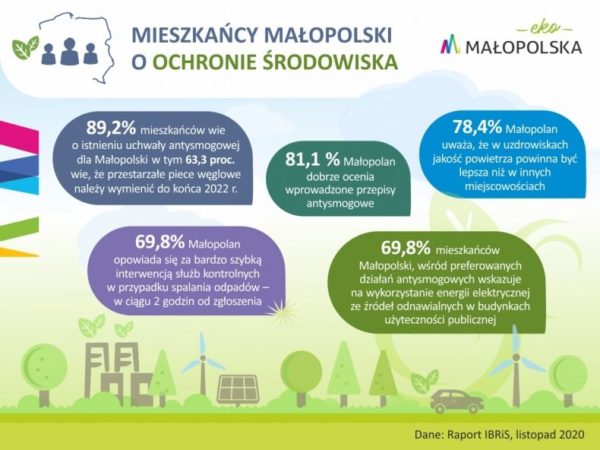
In the interest of protecting citizens’ health, Regional Assemblies in 14 voivodeships have adopted Anti-smog resolutions with regulations tailored to each region. In the Malopolska Region, these regulations have been in force since July 2017. Since 1 May 2024, a complete ban on the use of non-classified coal- and wood-fired boilers has been in effect. The next step will come on 1 January 2027, when a ban on the use of Class 3 and Class 4 boilers will enter into force.
An effective fight against smog requires fuel quality standards, the replacement of old heating appliances, investment in building thermal modernisation, the development of renewable energy sources (RES), and low-emission public transport. Ecomenagers in municipalities play a key role in this process, as do projects such as “Support for the Energy Transition of Municipalities in the Malopolska Region”, co-financed by the European Union under the European Funds for Małopolska 2021–2027 programme.
The effects of years of efforts are already visible. During the 2025/2026 heating season, the average PM10 concentration in the Malopolska Region fell by 43% compared with the winter of 2014/2015. In Krakow itself, the decrease was as high as 52%. Taking care of clean air is an investment in health – both our own and that of future generations. It is a process that requires time and cooperation, but one that brings real health and financial benefits. Let us remember this before the next heating season.
Campaign co-financed by the European Union