Renewable Energy Sources: Where to Start and Which Solutions to Choose?
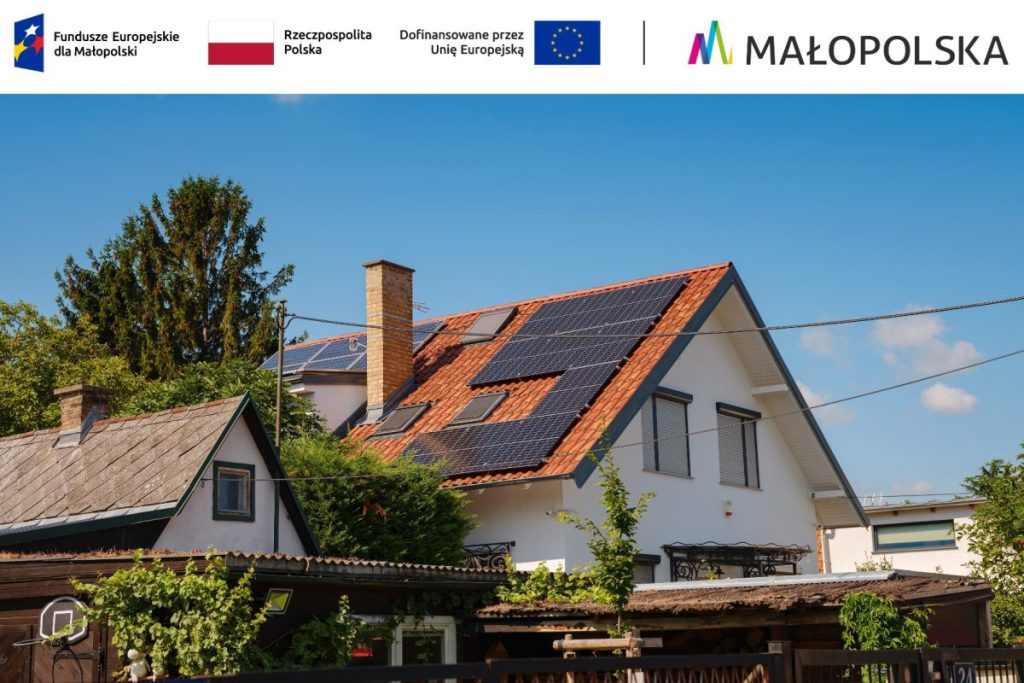
Heating and electricity costs account for a significant share of household operating expenses. As a result, homeowners are increasingly looking for ways to reduce their bills while also increasing their energy independence. However, choosing the right solutions is not always easy – it must take into account both the needs of the home and the financial resources available to its owners.
Where to Start?
The selection of an appropriate heating system should be preceded by an assessment of the building and its actual energy needs. Experts emphasise that an investment in renewable energy sources (RES) should begin with checking the technical condition of the house and carrying out an energy audit. In older buildings, the roof, walls and windows are among the main sources of heat loss and can account for approximately 60–70% of total heat loss. Therefore, before installing a RES system, building thermal modernisation should be a priority, as without it even the most advanced heating systems will not operate at their full efficiency.
The Most Popular RES Solutions
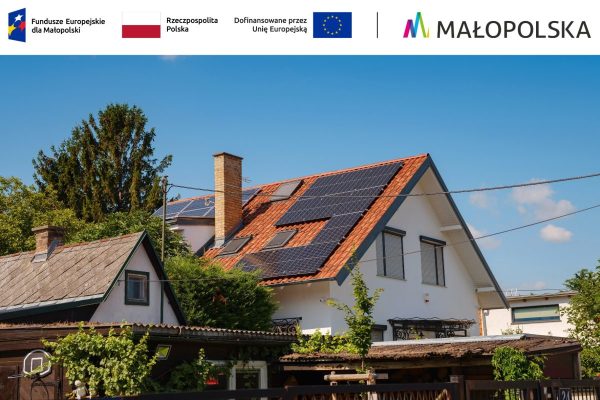
Photovoltaic systems are highly popular and are used to generate electricity from solar energy. A home photovoltaic system with a capacity of 5–10 kWp can generate approximately 5,000–11,000 kWh of electricity per year. Precisely matching the capacity of the panels to the household’s energy needs is key to ensuring that the investment is cost-effective and avoiding energy losses.
Biomass boilers are also among the heating appliances chosen by many residents. They are powered by renewable fuels of plant origin, such as wood pellets, logs, wood chips or straw. It should be emphasised that they are one of the more popular alternatives to heat pumps and coal-fired boilers being phased out in Polish homes. Of course, the appliance must meet the requirements of ecodesign regulations and Anti-smog resolutions.
Heat pumps are also currently one of the most frequently selected heating systems. These appliances draw energy from the surrounding environment (air, ground or water) and use it to heat the building and prepare domestic hot water. One of their main advantages is low operating costs. However, the key conditions for installing a heat pump include assessing the building’s thermal modernisation standard, the type of heating system installed in the building, and calculating its heat demand.
An increasing number of investors are also choosing energy storage systems, which make it possible to store surplus electricity generated by a photovoltaic system and use it later – for example, in the evening or during periods of higher demand. This can increase the use of self-generated energy to as much as 60–80%.
The system can also be complemented by thermal energy storage systems and solar collectors, which are mainly used to heat domestic hot water.
Hybrid systems combining a heat pump, photovoltaic system and energy storage are becoming increasingly common. Such a solution makes it possible to better control household operating costs and reduce dependence on external energy supplies.
Funding and Tax Relief
The costs of investments in renewable energy sources (RES) and building thermal modernisation can be reduced thanks to the available funding programmes.
The “Clean Air” programme offers grants of up to PLN 170,000 for replacing a heating source and improving the building’s energy efficiency. The amount of support depends on household income and the scope of the investment.
Owners of new single-family homes can benefit from the “My Heat” programme until the end of 2026. The programme supports the purchase and installation of heat pumps.
Another incentive is the thermal modernisation tax relief, which allows taxpayers to deduct up to PLN 53,000 in eligible expenses incurred for thermal modernisation from their taxable income. Between 2019 and 2024, residents of the Malopolska Region deducted nearly PLN 5 billion under this relief.
Information about available grants and preferential loans can be obtained, among other places, from the municipal office and the Regional Fund for Environmental Protection and Water Management.
Where to Find Reliable Information and Support?
Residents of the Malopolska Region can benefit from free support provided by Ecomenagers in their municipalities. These specialists help residents choose the right heating system, advise on which works are worth carrying out to improve the building’s energy efficiency, and provide support in obtaining funding.
It is worth contacting an Ecomenager before making an investment decision. This can help avoid costly mistakes and better plan the modernisation process. Up-to-date contact details are available on the website: https://powietrze.malopolska.pl/en/ecomanagers/
Residents can also benefit from the free RES Potential Map, which includes an installation selection calculator and is available at https://ozelife.agh.edu.pl/. The tool helps assess the potential for using renewable energy sources, select optimal solutions, and determine the cost-effectiveness of a planned investment.
The EkoMałopolska installer database can also be helpful: https://www.mcp.malopolska.pl/ekodoradcy-dla-biznesu/instalatorzy/ It contains information about companies specialising in the installation of RES systems throughout the Malopolska Region.
The project “Support for the Energy Transition of Municipalities in the Malopolska Region”, implemented by the Malopolska Region and co-financed by the European Union, strengthens advisory and educational activities and supports the implementation of solutions aimed at improving air quality.
Campaign co-financed by the European Union.